Search for Herbal Teas Recipes by Symptom:

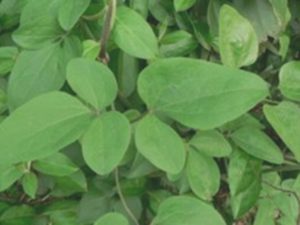
Ginkgo biloba (Baiguo)

Ginkgo biloba (Baiguo): the seed of Ginkgo biloba L. (family Ginkgoaceae), with the fleshy outer seed coat removed. **Nature, Flavor, and Meridian Entry:** Neutral nature; flavors: sweet, bitter, astringent. 【Actions and Indications】 Astringes the lung to relieve dyspnea (dyspnea), arrests leukorrhea and turbid vaginal discharge, and reduces urinary frequency. It is classified under the astringent … Read more
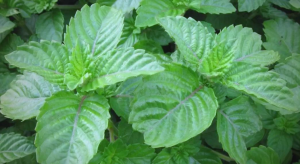
Angelica dahurica (Baizhi)

**Baizhi (Angelica dahurica):** The root of *Angelica dahurica* (Fisch. ex Hoffm.) Benth. et Hook.f., or its variety *Angelica dahurica* var. *formosana* (Boiss.) Shan et Yuan, both plants of the Apiaceae family. Nature and flavor: Warm, pungent. Meridian tropism: Stomach (ST), Large Intestine (LI), Lung (LU). 【Actions and Indications】Disperses wind and eliminates dampness, unblocks the orifices … Read more

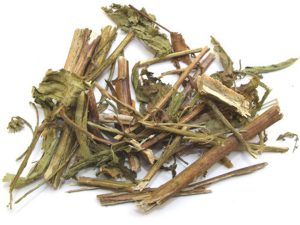
Glycyrrhiza uralensis

Gancao (Licorice root): the dried root of *Glycyrrhiza uralensis* Fisch., *Glycyrrhiza inflata* Bat., or *Glycyrrhiza glabra* L. (Fabaceae). 【Nature, Flavor, and Meridian Tropism】Sweet, neutral. Attributable to the Heart (HT), Lung (LU), Spleen (SP), and Stomach (ST) meridians. 【Functions and Indications】 Supplement the Spleen and boost Qi, clear Heat and resolve Toxin, transform Phlegm and stop … Read more

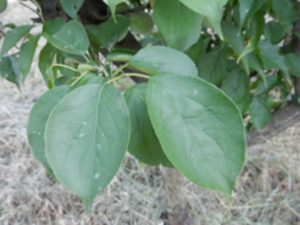
Polygonatum odoratum (Yuzhu)

Yuzhu (Polygonatum odoratum (Mill.) Druce): the rhizome of the Liliaceae plant Polygonatum odoratum. **Nature, Flavor, and Meridian Tropism:** Slightly cold nature, sweet flavor. Enters the Lung Meridian of Hand-Taiyin (LU) and the Stomach Meridian of Foot-Yangming (ST). 【Actions & Indications】Nourishes yin, moistens dryness, generates fluids, and quenches thirst. Categorized as a Yin-nourishing medicinal within the … Read more

Dai Dai Hua (Bitter Orange Flower): Uses for Digestion and Heart Health

**Dai Dai Hua (Bitter Orange Flower)**: Flower buds of *Citrus aurantium* L. (Rutaceae), a woody plant. 【Nature, Flavor, and Meridian Tropism】Slightly cold in nature, with bitter and sour flavors. 【Actions and Indications】Moves qi and broadens the center, promotes digestion, transforms phlegm, soothes the liver and regulates qi, harmonizes the stomach and stops vomiting. [Indicated for] … Read more

Acupuncture Treatment for Hypoglossal Nerve Palsy: Point Selection

Hypoglossal nerve palsy is a clinical syndrome characterized primarily by deviation of the tongue, retraction of the tongue, and dysarthria. The hypoglossal nerve is mainly composed of somatic efferent fibers and innervates both the intrinsic and extrinsic muscles of the tongue, including the styloglossus, hyoglossus, and genioglossus muscles. I. Etiology This condition is often triggered … Read more

Acupuncture for Vagus Nerve Paralysis: Causes, Diagnosis, and Treatment

Vagus nerve palsy is a clinical syndrome resulting from damage to the vagus nerve caused by various factors, leading to dysfunction or disorders of vocal cord movement, swallowing, heart rhythm, and other functions. The vagus nerve is the longest and most widely distributed mixed nerve in the human body, containing four types of nerve fibers: … Read more

Accessory Nerve Palsy: Diagnosis and Acupuncture Treatment

Accessory nerve palsy is a clinical syndrome caused by various factors such as irritation, involvement, or compression of the accessory nerve. The accessory nerve consists of a cranial root and a spinal root; it exits the cranial cavity through the jugular foramen and travels to the neck, where it innervates the sternocleidomastoid muscle and the … Read more

Electroacupuncture Treatment for Glossopharyngeal Nerve Palsy

Glossopharyngeal nerve paralysis is caused by various injuries to the glossopharyngeal nerve, leading to reduced or loss of sensory function within the area it innervates. Isolated glossopharyngeal nerve paralysis is extremely rare and usually occurs together with damage to other cranial nerves. The main causes of glossopharyngeal nerve paralysis include glossopharyngeal nerve transection, tonsillectomy, and, … Read more

Acupuncture Treatment for Glossopharyngeal Neuralgia

Glossopharyngeal neuralgia is a condition characterized by paroxysmal, recurrent, and severe pain localized within the distribution of the glossopharyngeal nerve and the auricular and pharyngeal branches of the vagus nerve. Its nature is similar to that of trigeminal neuralgia, but it is less common. The etiology remains unclear; it may be caused by nerve demyelination, … Read more