Search for Herbal Teas Recipes by Symptom:

Goji Berries for Vision: Herbal Pharmacist Guide

Are goji berries good for your vision? As a herbal pharmacist, I cover goji berries for vision support, key nutrients, real client stories, clinical data, proper dosage, risks and common myths. If you struggle with blurry vision after long screen hours, night driving difficulty, or worry about age-related vision decline, you’ve likely heard about goji … Read more

Goji Berries for Eyes: Evidence-Based Herbal Guide

Goji berries are one of the most researched natural botanicals to support long-term eye health, protect retinal cells, and ease common age-related and screen-related eye discomfort. As a herbal pharmacist, I often recommend goji berries for clients dealing with digital eye strain, dry eyes, blurred night vision, and concerns over age-related eye decline. Unlike artificial … Read more

Standardized Licorice Base on the Taklamakan Desert Edge

Standardized Licorice Base on the Taklamakan Desert Standardized Licorice Base on the Taklamakan Desert Edge

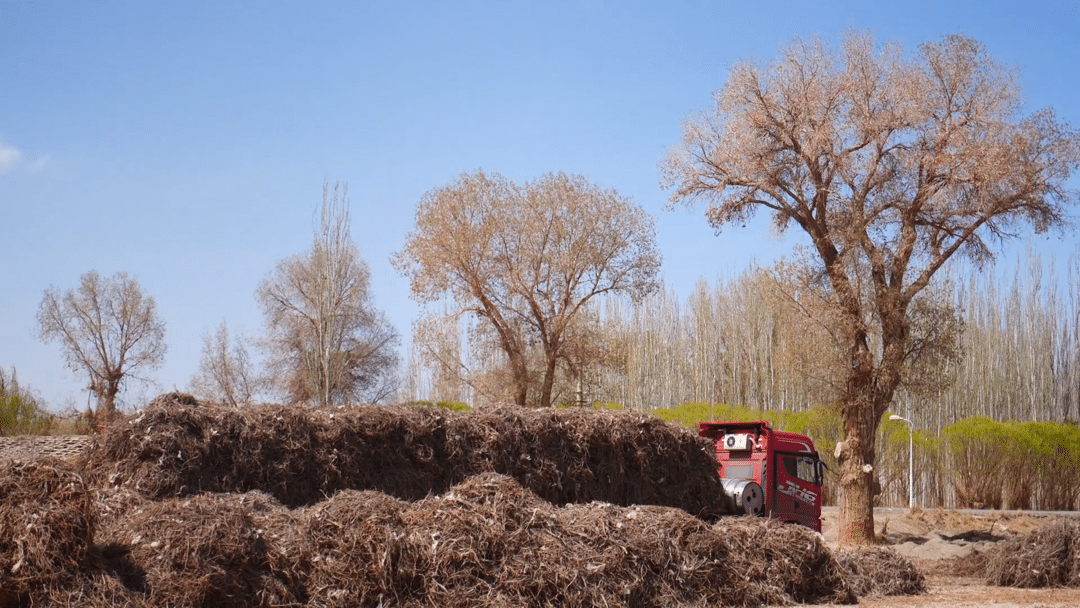
Shaya County of Aksu Prefecture lies on the northern margin of the Taklamakan Desert, traversed by the Tarim River, forming a unique desert‑oasis ecological zone for licorice cultivation. Large‑scale standardized licorice planting bases are concentrated in Tarim Township and surrounding desertified sandy land, mainly cultivating Glycyrrhiza inflata (inflated licorice) and local red‑bark Glycyrrhiza uralensis. Relying … Read more

Gulang Licorice: Standardized Desert‑Oasis Medicinal Herb Base

Gulang Licorice Gulang Licorice: Standardized Desert‑Oasis Medicinal Herb Base

Gulang County, Wuwei, located at the southern edge of Tengger Desert, belongs to the core Daodi licorice producing zone listed in the First Batch of Gansu Provincial Daodi Chinese Herbal Catalogue, mainly cultivating Glycyrrhiza uralensis (Ural licorice, local improved variety Wulahong licorice). Concentrated demonstration bases are distributed in Zhitan Town, Haizitan Town, Peijiaying Town and … Read more

Xinjiang Licorice: Standardized Desert‑Oasis Medicinal Herb Base

Xinjiang Licorice Xinjiang Licorice: Standardized Desert‑Oasis Medicinal Herb Base

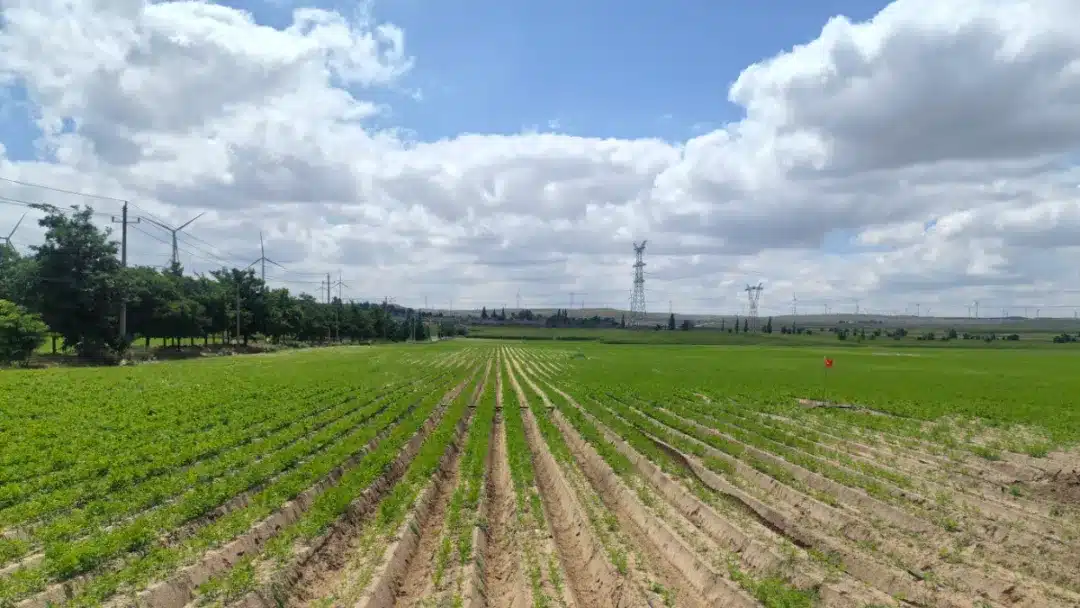
As China’s largest licorice‑producing province, Xinjiang occupies the core desert‑oasis medicinal‑herb belt of Northwest China, with planting areas distributed across Hotan, Kashgar, Ili, Tacheng, Altay and Bayingolin prefectures. Three major native licorice species grow here: Glycyrrhiza uralensis (Ural licorice), Glycyrrhiza inflata (inflated licorice) and Glycyrrhiza glabra (liquorice). Xinjiang licorice is protected under the local geographical‑indication … Read more

Yanchi Licorice: Geographical Indication Herb Base in Ningxia

Yanchi Licorice Yanchi Licorice: Geographical Indication Herb Base in Ningxia

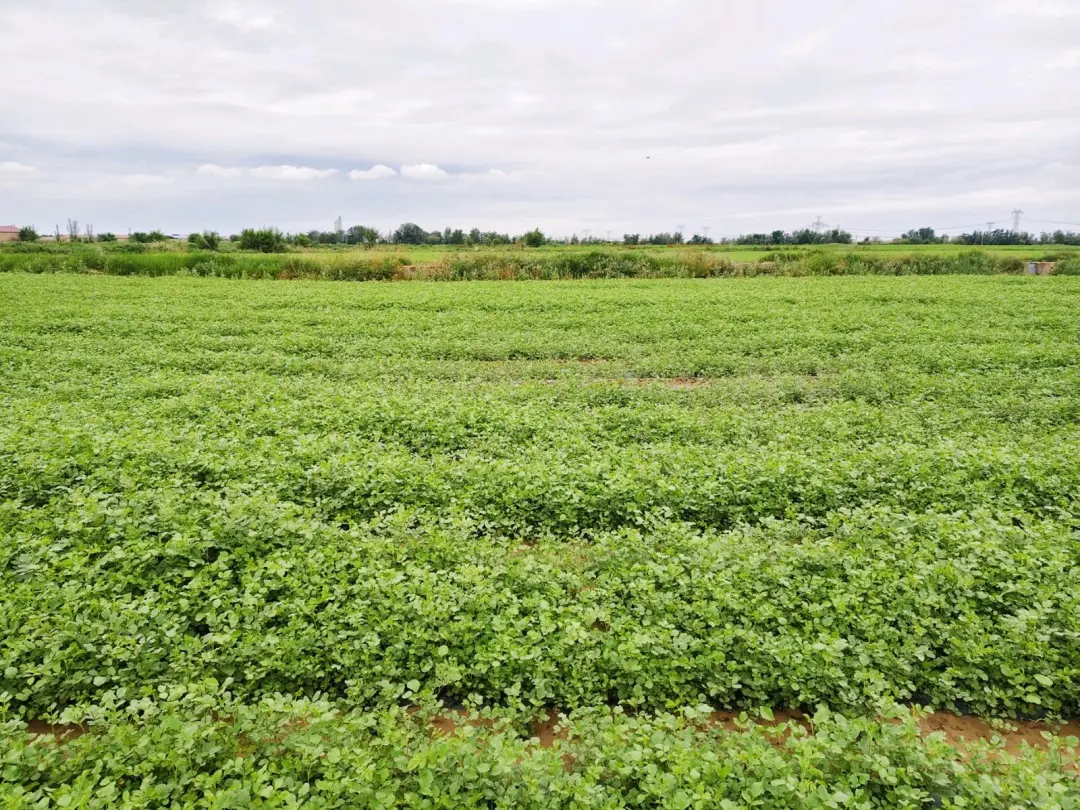
Known as the Hometown of Chinese Licorice, Yanchi County, Wuzhong, Ningxia, is the traditional core producing zone of historic Xizheng Licorice (West‑Authentic Licorice), with a medicinal‑herb planting history stretching back nearly 3,000 years.The Yanchi licorice geographical indication herb base covers seven key townships including Huianbao, Dashuikeng and Gaoshawuo, located in the desert‑steppe ecotone of northwest … Read more

Standardized Licorice Herb Base in Inner Mongolia Desert

Standardized Licorice Herb Base Standardized Licorice Herb Base in Inner Mongolia Desert

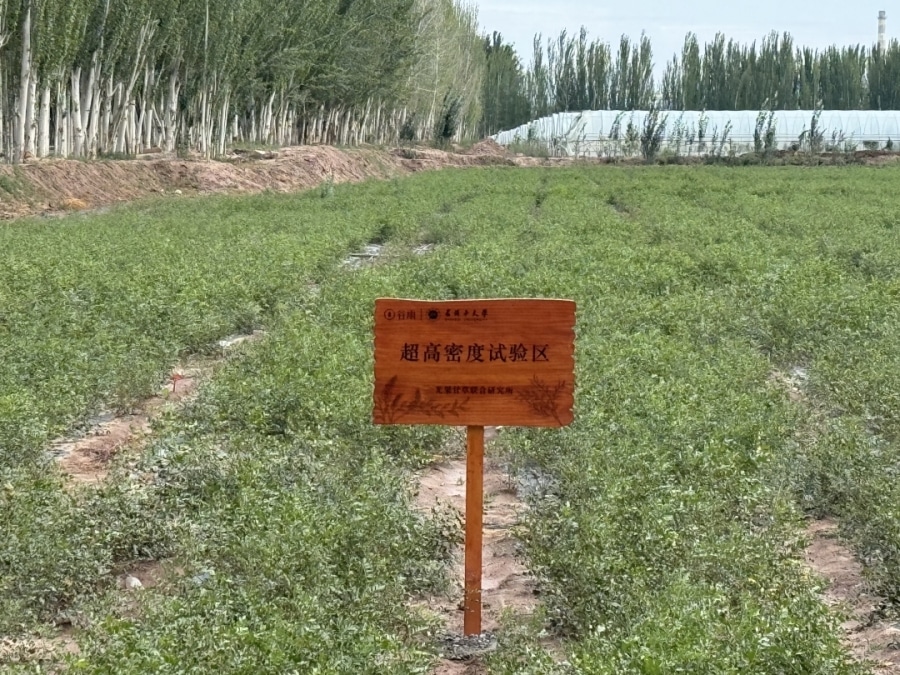
Inner Mongolia desert standardized licorice base produces authentic Ural licorice. Learn about desert growing environment, GAP management, organic certification, geo‑indication, desert‑combining‑pharmaceutical‑herb model. Spanning the Ulan Buh Desert and Kubuqi Desert in western Inner Mongolia, the desert‑based standardized licorice base is a distinctive Daodi Chinese medicinal herb production zone built on desert ecological restoration. It mainly … Read more

Wild Inner‑Mongolia Licorice (Liangwai Licorice)

Wild Inner‑Mongolia Licorice Wild Inner‑Mongolia Licorice (Liangwai Licorice)

It is a famous authentic Daodi medicinal herb, commonly known as Liang‑wai Cao. It originates from the southern Liang‑wai hard‑tableland area of Hangjin Banner, Ordos, Inner Mongolia, south of the Kubuqi Desert, growing in arid and semi‑arid desert‑steppe habitats with large day‑night temperature swings that promote accumulation of glycyrrhizic acid and flavonoids. Morphological Features Production … Read more