
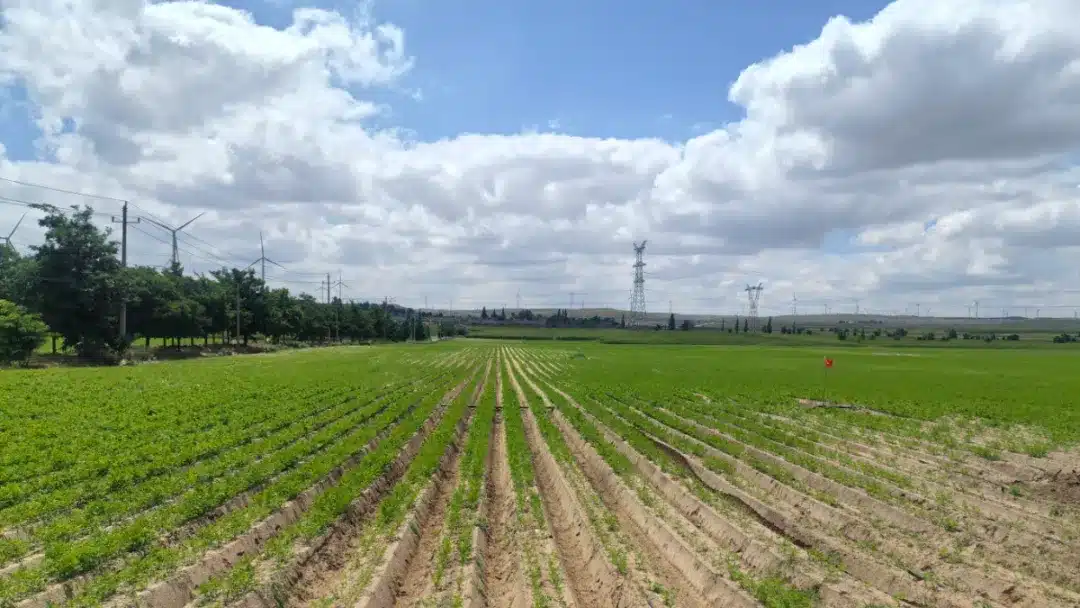
Known as the Hometown of Chinese Licorice, Yanchi County, Wuzhong, Ningxia, is the traditional core producing zone of historic Xizheng Licorice (West‑Authentic Licorice), with a medicinal‑herb planting history stretching back nearly 3,000 years.The Yanchi licorice geographical indication herb base covers seven key townships including Huianbao, Dashuikeng and Gaoshawuo, located in the desert‑steppe ecotone of northwest China.
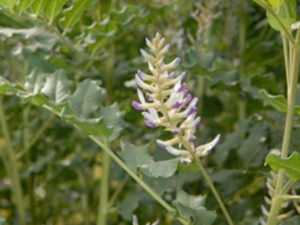
Yanchi licorice (Glycyrrhiza uralensis) earns wide reputation for thin red bark, yellow inner flesh, heavy texture and high powder content, often nicknamed “Iron Licorice” by local herbal traders. The region holds multiple official credentials: named “Hometown of Chinese Licorice” by the State Council in 1995; registered GI certification trademark in 2008; obtained agricultural geographical‑indication registration in 2013; granted national geographical‑indication product protection in April 2025.Strict origin‑specific marking and full‑chain traceability systems are implemented across standardized planting bases to safeguard genuine Daodi licorice raw materials for pharmaceutical, botanical‑extract, food and cosmetic industries.
Unique Desert‑Steppe Growing Environment
Yanchi features temperate continental arid climate: ample sunshine, strong ultraviolet radiation, huge diurnal temperature difference, low annual precipitation and large evaporation rate. Loose sandy‑loess soil rich in mineral elements provides ideal conditions for licorice taproot elongation and active‑substance accumulation.
The GI protection zone keeps minimal industrial interference, with no history of high‑toxic pesticide over‑application. Far from heavy‑industry zones, it delivers low‑pollution planting conditions for medicinal crops. The local Glycyrrhiza uralensis evolves strong adaptability of drought‑resistance, cold‑tolerance and saline‑alkali endurance. While producing high‑quality medicinal roots, licorice vegetation stabilizes shifting sand and improves degraded steppe soil, realizing integration of herbal production and ecological restoration.
Standardized Planting & Base Management
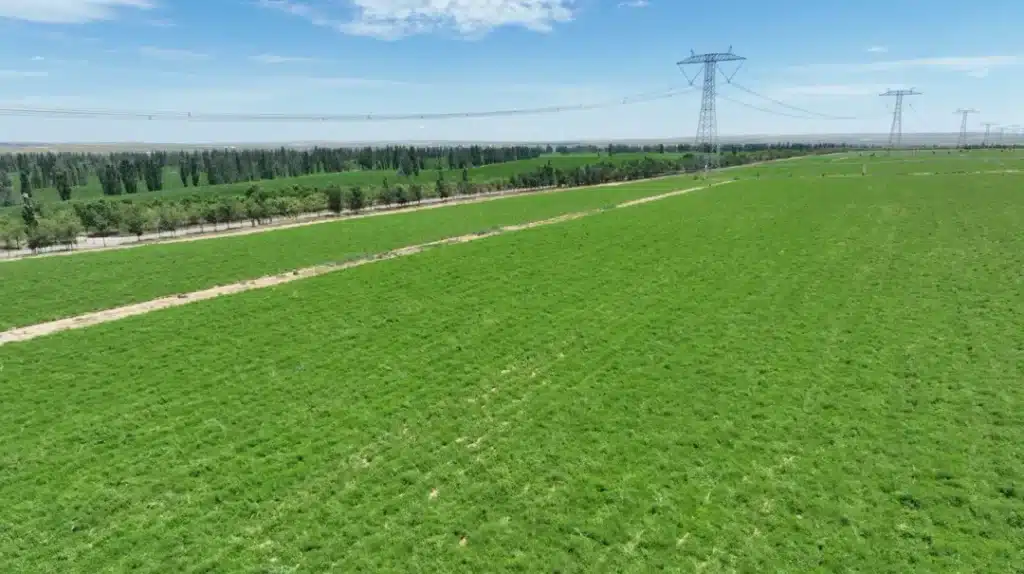
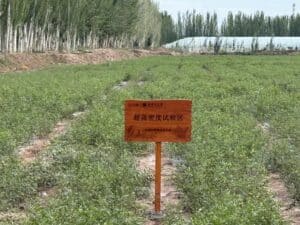
Large‑scale demonstration bases adopt modern standardized technical systems tailored for Ningxia desert‑steppe conditions.
- Local provenance seedling breeding: Adopt indigenous Yanchi‑origin Glycyrrhiza uralensis seedlings; special seed‑breeding bases guarantee germplasm purity, avoiding mixed non‑local varieties.
- Water‑saving cultivation technology: Apply film‑covered drip irrigation, wide‑mulching film technology and mechanized field operation to reduce water consumption in arid land and control soil salinization risk.
- Green plant protection: Deploy green prevention & control for diseases and pests; strictly restrict synthetic chemical pesticides to meet TCM raw‑material safety requirements.
- Scientific harvest cycle: Follow 3‑4‑year growth cycle before harvesting to guarantee sufficient accumulation of glycyrrhizic acid and flavonoids. Wild licorice digging is prohibited; raw materials are sourced from artificial standardized bases and wild‑resource restoration reserves.
- Whole‑process record‑keeping: Record seedling source, field management, irrigation, fertilization and harvest date, supporting traceability for GI‑marked products.
Multiple standardized demonstration parks cooperate with local cooperatives under the “enterprise + base + cooperative + farmer” framework. Yanchi currently operates 18 standardized licorice bases, forming complete industrial chains covering seedling raising, field planting, primary processing and external sales.
Certification & Quality Performance
- National Geographical Indication Product: Officially approved in 2025, with clear defined production scope, sensory requirements and physicochemical standards for Yanchi licorice. Authorized manufacturers can use official GI logo on qualified products.
- Agricultural Geographical Indication Registration: Granted at end of 2013, protecting the origin characteristics of Yanchi licorice.
- Origin certification trademark: “Yanchi Licorice” certification trademark registered in 2008, protecting this historical Daodi herb brand.
- Quality index: Test data shows glycyrrhizic acid content reaches 3.1%‑3.5%, glycyrrhizin content exceeds Chinese Pharmacopoeia threshold, with abundant triterpenes, flavonoid compounds and amino‑acid components, satisfying international herbal‑material procurement standards.
- Resource protection: Large‑area wild licorice reserve zones are established; enclosure protection and seed‑collection projects are carried out to restore native wild licorice resources while developing artificial planting industry.
Industrial & Ecological Value
As a core pillar specialty industry of Yanchi County, licorice drives local farmers’ income growth. Its roots and rhizomes are widely used in traditional Chinese medicine prescriptions, botanical extracts, health‑care products and cosmetics. Meanwhile, large‑scale licorice planting plays a vital role in sand fixation and grassland restoration, delivering dual benefits of herbal economy and desert‑steppe ecological improvement.
Yanchi builds trading markets for licorice raw materials, supporting domestic circulation and cross‑border export of GI‑protected licorice products, consolidating its position as one of China’s key licorice producing and distributing hubs.
FAQ
Q: What makes Yanchi licorice different from ordinary licorice?
A: Unique desert‑steppe climate, mineral‑rich sandy‑loess soil and large temperature difference promote higher glycyrrhizic acid and flavonoid content. It features thin red bark, heavy texture and high powder rate, recognized as classic Daodi Xizheng Licorice.
Q: Can all licorice produced in Ningxia be marked as Yanchi Geographical Indication product?
A: No. GI protection strictly limits producing area to seven designated townships within Yanchi County. Products must pass inspection and obtain authorization for using the official geographical‑indication logo.
Q: Does Yanchi still harvest wild licorice?
A: Unregulated wild digging is forbidden. Commercial raw materials mainly come from standardized artificial planting bases. Protected wild‑resource zones focus on ecological restoration and seed collection rather than large‑scale root harvesting.



Such an interesting read! I had no idea Yanchi licorice had such a deep history—3,000 years of cultivation is incredible. It’s great to see geographical indication protecting this
Que artigo fascinante! Não sabia que Ningxia é o berço do alcaçuz chinês há quase 3.000 anos. É impressionante como uma região específica consegue manter essa tradição e qualidade única com a indicação geográfica. Seria interessante saber mais sobre as propriedades medicinais e como