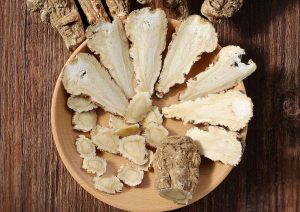
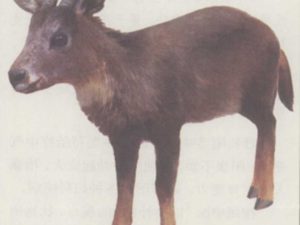
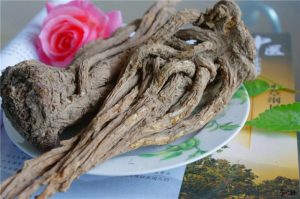
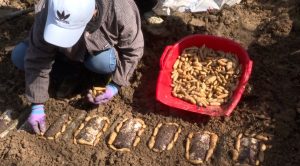
Gastrodia Elata
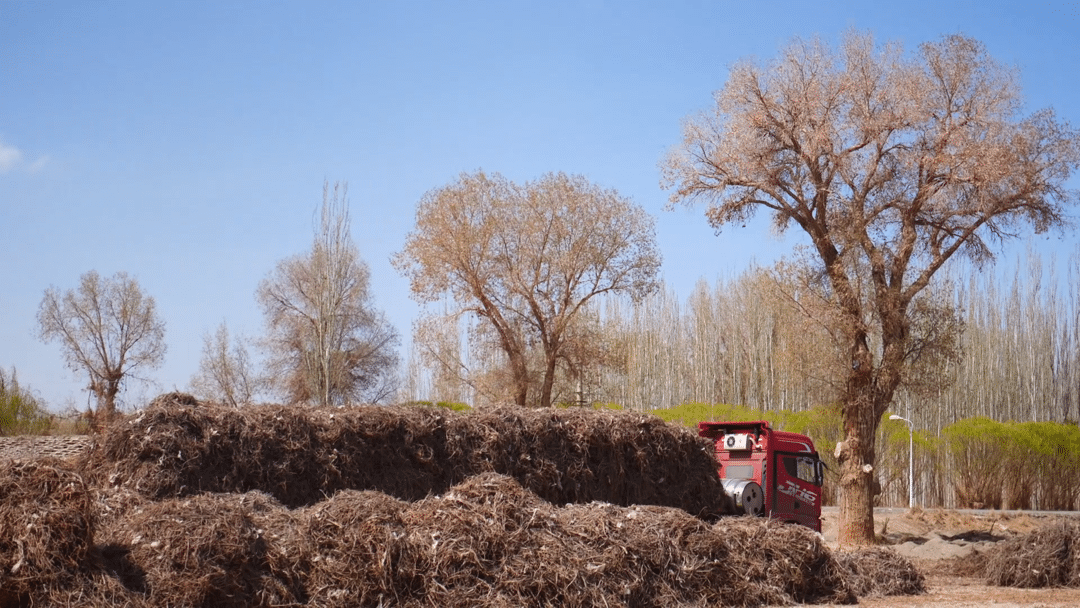
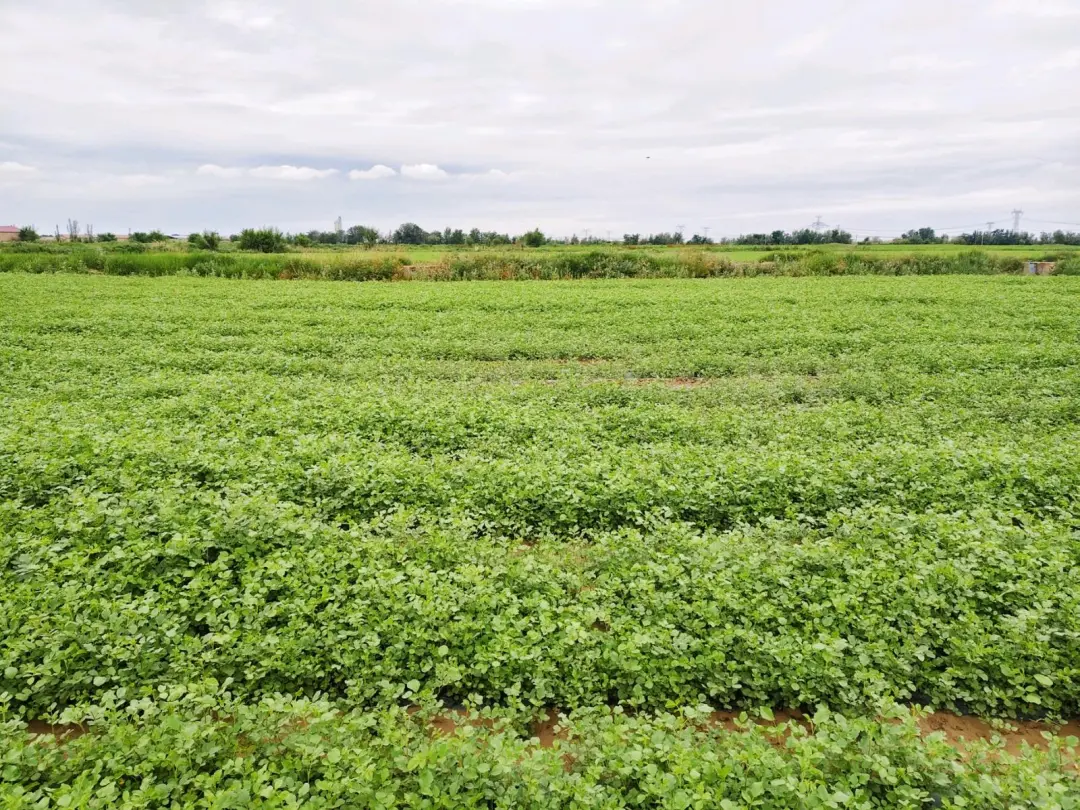
Licorice
Cordyceps
Dong Quai
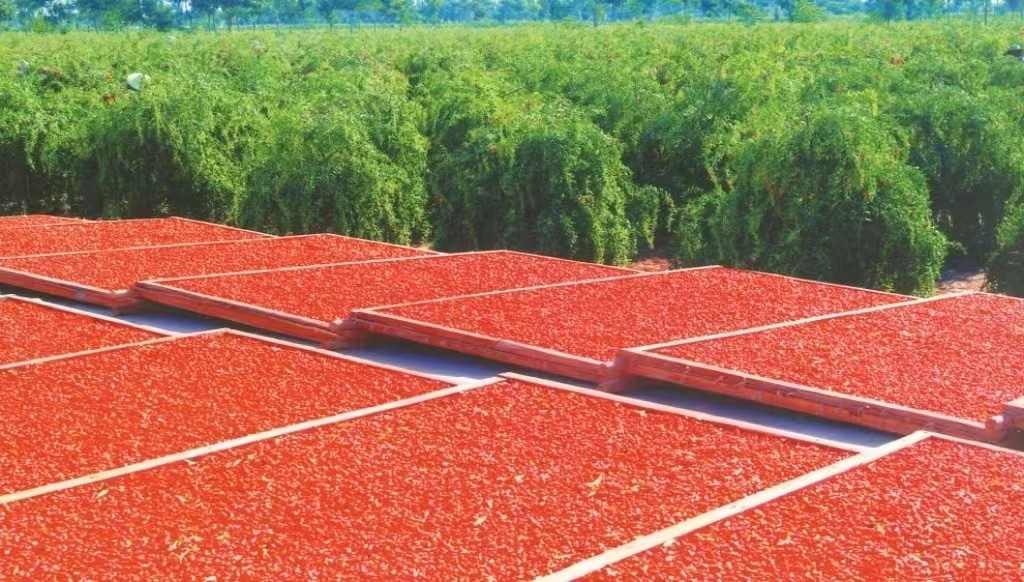
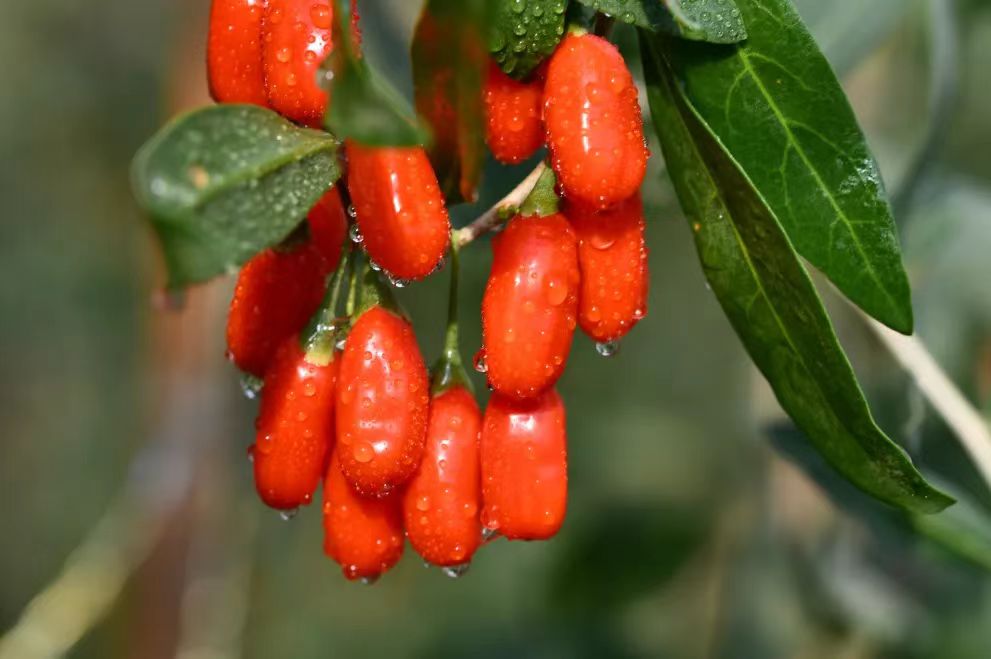
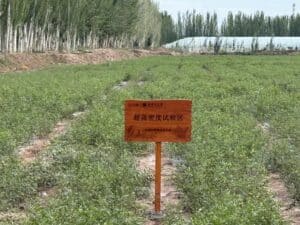
Goji berries
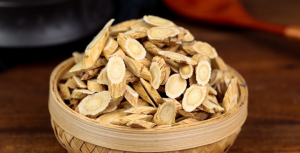
Astragalus

Zongba Ye

Zongba Ye is the name of a traditional Chinese medicinal herb. It is the rhizome of Aspidistra typical Baill., a plant in the Liliaceae family. It is distributed in Guangxi, Yunnan, and other regions. It has the effects of promoting blood circulation and dispelling blood stasis, mending broken bones, relieving pain, and clearing heat and detoxifying. It is primarily used to treat dysentery, malaria, rheumatic pain, lower back and leg pain due to kidney deficiency, contusions and sprains, fractures, and snake bites.

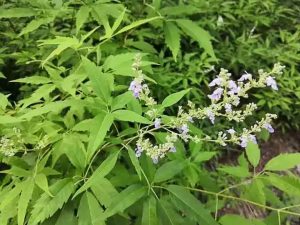
Yellow Honeysuckle

Huangjing is a plant of the genus Vitex in the Verbenaceae family; its roots, stems, leaves, and fruits (huangjingzi) are used medicinally. Among these, the roots and stems of Huangjing have a bitter and slightly pungent taste and a neutral nature. They are effective in clearing heat, relieving coughs, resolving phlegm, and stopping malaria, and are primarily used to treat bronchitis, malaria, and hepatitis; The leaves of Huangjing have a bitter taste and a cool nature; they clear heat, relieve exterior symptoms, resolve dampness, and arrest malaria. When taken internally, they can treat colds, enteritis, dysentery, malaria, and urinary tract infections; when applied topically, they can treat eczema, dermatitis, and athlete’s foot;Huangjing seeds have a bitter and pungent taste and a warm nature. They are effective in relieving coughs and wheezing, as well as regulating qi and alleviating pain. They are primarily used to treat coughs, asthma, stomach pain, indigestion, enteritis, and dysentery.

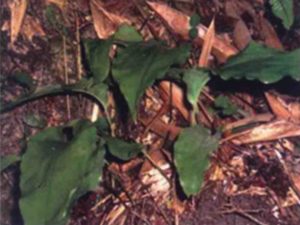
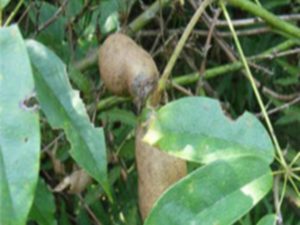
Niu Teng

Niuteng is the name of a traditional Chinese medicine. It consists of the stems and roots of Stauntonia hexaphylla (Thunb.) Decne. or Stauntonia hexaphylla Decne. var. urophylla Hand.-Mazz., plants of the Lardizabalaceae family. Niuteng is distributed in Taiwan, Guangdong, Guangxi, and other regions.Stauntonia hexaphylla var. urophylla is distributed in Zhejiang, Jiangxi, Fujian, Hunan, Guangdong, Guangxi, and other regions. It has the effects of dispelling wind and removing blood stasis, relieving pain, and promoting urination to reduce swelling. It is primarily used to treat rheumatic arthralgia, pain from falls and blows, various types of neuropathic pain, difficulty urinating, and edema.

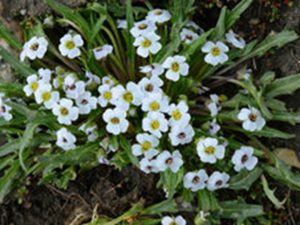
Alpine Horseradish

Alpine Horseradish, a name in traditional Chinese medicine. It refers to the dried roots and rhizomes of Pegaeophyton scapiflorum (Hook.f. et Thoms.) Marq. et Shax, a plant in the Brassicaceae family. It is distributed in Qinghai, southwestern Sichuan, northwestern Yunnan, and Tibet.It has the effects of clearing heat and detoxifying, clearing the lungs and relieving cough, and stopping bleeding and reducing swelling. It is used for fever associated with warm diseases, cough due to lung heat, hemoptysis, traumatic bleeding, and edema of the limbs.

The Ten Largest Goji Berry Plantation Bases in China

The Ten Largest Goji Berry Plantation Bases in China

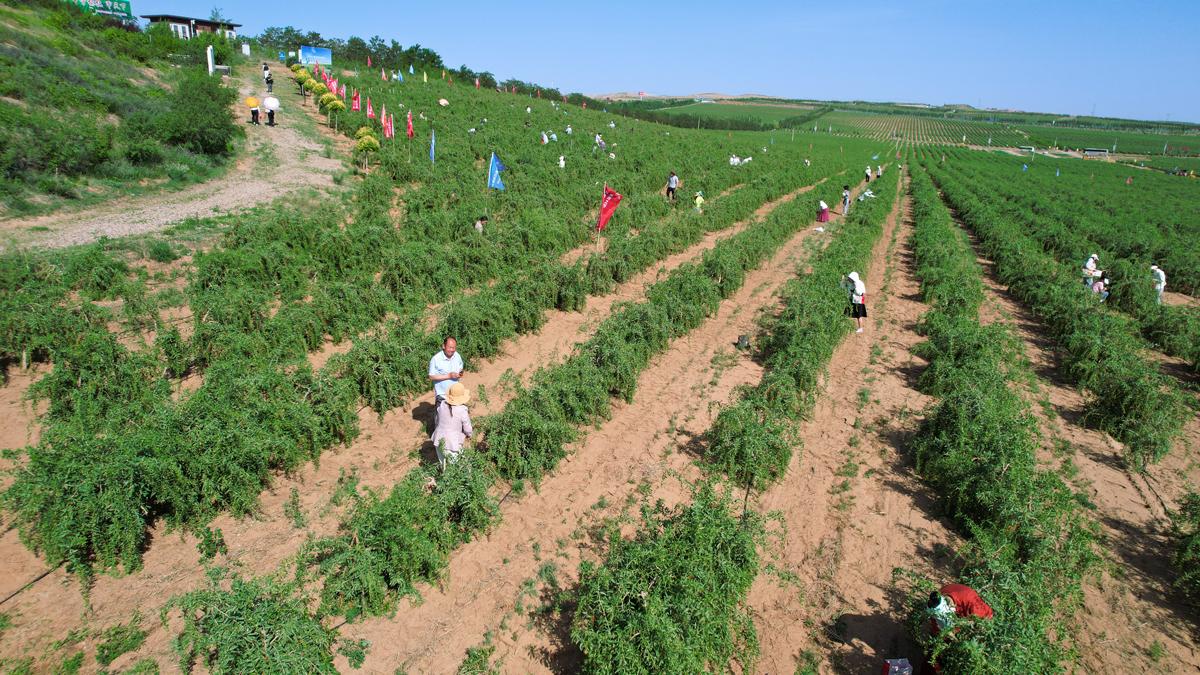
China is the native homeland of goji berries (Lycium barbarum). Multiple regions across the country have formed large-scale commercial goji planting bases with unique soil and climate conditions. Each producing area yields goji berries with distinct flavour, appearance and nutritional traits. Below is a detailed overview of China’s major goji berry planting bases. 1. Zhongning … Read more

Red‑Fruited Treasure Sails Overseas: Ningxia Goji Berry Story

Ningxia Goji Berry

Goji berry is a signature treasure from Ningxia Hui Autonomous Region. It can be eaten raw, brewed into herbal tea, added to soups, fermented into wine or cooked in dishes, delivering great flavour together with rich nutrition. Two‑thirds of China’s exported goji berry products originate from Ningxia. As the well‑known saying goes: “The world looks … Read more

Zhongning County, Hometown of Chinese Goji Berries

Hometown of Chinese Goji Berries Zhongning County, Hometown of Chinese Goji Berries

Zhongning County, located in Ningxia Hui Autonomous Region, is universally hailed as the Hometown of Chinese Goji Berries. This title is not merely a marketing slogan, but a well-earned recognition built on over six hundred years of goji cultivation history, unique natural terroir, and mature industrial development. Since ancient times, Zhongning goji berries were presented … Read more

Zhongning Goji Berry Industrial Park

Zhongning Goji Berry Industrial Park Zhongning Goji Berry Industrial Park

Zhongning Goji Berry Industrial Park is located in Zhongning County, Ningxia Hui Autonomous Region, the globally recognised hometown of goji berries. It is a national-level modern agricultural industrial park built to develop the geographical indication protected Zhongning goji berry industry. The park integrates seedling breeding, standardized planting demonstration, scientific research & innovation, intelligent deep processing, … Read more

Xizan Ecological Goji Berry Manor in Zhongning County

Xizan Ecological Goji Berry 1 Xizan Ecological Goji Berry Manor in Zhongning County

Xizan Ecological Goji Berry Manor sits in Hongliugou core zone of Zhongning, Ningxia, hometown of goji berries. Explore its GAP organic planting, full-chain production, certifications & premium authentic Zhongning goji berries. Core keyword: Xizan Ecological Goji Berry Manor Introduction Xizan Ecological Goji Berry Manor is located in Hongliugou core sub-producing area of Zhongning County, Ningxia … Read more

Zhongning Goji Berry:China’s Famous Geographical Indication Product

Zhongning Goji Berry Zhongning Goji Berry:China’s Famous Geographical Indication Product

Zhongning goji berry (wolfberry) from Ningxia is a protected geographical indication product. Learn about its unique growing environment, quality features, historical heritage and health benefits. Core keyword: Zhongning goji berry Introduction Zhongning, located in Zhongwei, Ningxia Hui Autonomous Region, is widely known as the Hometown of Chinese Goji Berries. Zhongning goji berry is a nationally … Read more

Standardized Licorice Base on the Taklamakan Desert Edge

Standardized Licorice Base on the Taklamakan Desert Standardized Licorice Base on the Taklamakan Desert Edge

Shaya County of Aksu Prefecture lies on the northern margin of the Taklamakan Desert, traversed by the Tarim River, forming a unique desert‑oasis ecological zone for licorice cultivation. Large‑scale standardized licorice planting bases are concentrated in Tarim Township and surrounding desertified sandy land, mainly cultivating Glycyrrhiza inflata (inflated licorice) and local red‑bark Glycyrrhiza uralensis. Relying … Read more

Gulang Licorice: Standardized Desert‑Oasis Medicinal Herb Base

Gulang Licorice Gulang Licorice: Standardized Desert‑Oasis Medicinal Herb Base

Gulang County, Wuwei, located at the southern edge of Tengger Desert, belongs to the core Daodi licorice producing zone listed in the First Batch of Gansu Provincial Daodi Chinese Herbal Catalogue, mainly cultivating Glycyrrhiza uralensis (Ural licorice, local improved variety Wulahong licorice). Concentrated demonstration bases are distributed in Zhitan Town, Haizitan Town, Peijiaying Town and … Read more

Xinjiang Licorice: Standardized Desert‑Oasis Medicinal Herb Base

Xinjiang Licorice Xinjiang Licorice: Standardized Desert‑Oasis Medicinal Herb Base

As China’s largest licorice‑producing province, Xinjiang occupies the core desert‑oasis medicinal‑herb belt of Northwest China, with planting areas distributed across Hotan, Kashgar, Ili, Tacheng, Altay and Bayingolin prefectures. Three major native licorice species grow here: Glycyrrhiza uralensis (Ural licorice), Glycyrrhiza inflata (inflated licorice) and Glycyrrhiza glabra (liquorice). Xinjiang licorice is protected under the local geographical‑indication … Read more

Yanchi Licorice: Geographical Indication Herb Base in Ningxia

Yanchi Licorice Yanchi Licorice: Geographical Indication Herb Base in Ningxia

Known as the Hometown of Chinese Licorice, Yanchi County, Wuzhong, Ningxia, is the traditional core producing zone of historic Xizheng Licorice (West‑Authentic Licorice), with a medicinal‑herb planting history stretching back nearly 3,000 years.The Yanchi licorice geographical indication herb base covers seven key townships including Huianbao, Dashuikeng and Gaoshawuo, located in the desert‑steppe ecotone of northwest … Read more