
Pearl and Amber Ointment,From *Liangfang Hebi*, Volume 2.,For scrofula in the neck and nape, as well as small nodules initially forming in the armpits that gradually cluster like a string of pearls and do not resolve; whether they remain unulcerated or have ulcerated but fail to heal for a prolonged period, or have developed into a fistula—these are conditions characterized by cold phlegm and cold syndrome.
Pearl and Amber Ointment
Disclaimer: These statements have not been evaluated by the Food and Drug Administration (FDA). This product is not intended to diagnose, treat, cure, or prevent any disease. All references in this article to TCM syndrome differentiation, herbal medicines, teas, and decoctions are intended to promote TCM culture and are provided solely for educational and reference purposes.
Formulas Name : Pearl and Amber Ointment
Chinese Name : 珠珀膏
Drug Formulation
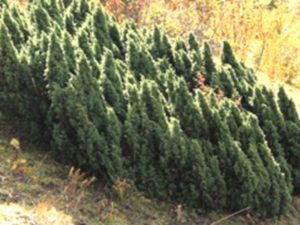
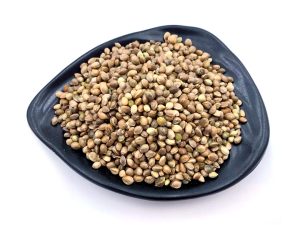
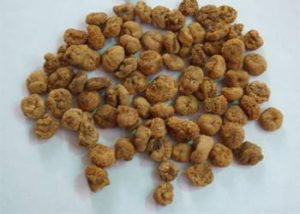
1 liang of genuine Western Amber (ground), 5 qian of Cinnamomum cassia heart (ground), 5 qian of cinnabar (water-floated, purified), 1 liang of Angelica dahurica (raw, ground), 1 liang of Saposhnikovia divaricata (raw, sun-dried until brittle, ground, and sifted to obtain pure powder), 1 liang of Angelica sinensis (raw, sun-dried until brittle, ground to a pure powder), 5 qian of Aquilaria agallocha (raw, sun-dried),Cloves 5 qian (grind these two ingredients together; the oil from the cloves helps the Frankincense grind more easily and finely; use both raw), Akebia Stem 1 liang (raw, sun-dried until brittle, ground into a fine powder. This ingredient is very hard; increase the quantity, grind it finely, sift to retain only the finest particles, and use the measured amount; treat Fangfeng in the same manner.Grind the above 9 ingredients separately into extremely fine powders, mix them together, and store in a bottle for future use), Trichosanthes seed 1 liang (remove the hair, cut into thick slices, boil until blackened, remove the dregs, and use the oil), young pine resin (boil in clean water 4–5 times, sun-dry, and sift to a fine powder) 5 qian,Weidan 11 liang (floated in water 4–5 times, sun-dried or oven-dried; if used in winter, use only 10 liang, as more will result in the herb being too mature).
Source
From *Liangfang Hebi*, Volume 2.
Processing
Take 32 jin of sesame oil and place it in a copper pot. First, add the Trichosanthes seed alone and simmer over a charcoal fire until blackened. Filter thoroughly through cotton to remove all residue. Simmer again—but do not overcook—until the oil reaches the point where a drop of water is about to form a bead. Immediately add the Weidan and fresh pine resin,add them slowly with a ladle, stirring continuously as you go—do not stop. After adding them all, simmer briefly, then remove from the heat. Once the heat in the pot has subsided somewhat, have one person slowly add the fine powder of the previous nine ingredients while another stirs continuously; thorough mixing is essential. Meanwhile, fan the mixture with a fan; as soon as the ointment begins to thicken and solidify, pour it into cold water, then scoop it out and shape it into cakes.To spread the ointment, use a small earthenware bowl; place the medicinal cake inside and melt it over a water bath—under no circumstances should it be placed directly over a flame. Use oiled mulberry bark paper from Youjing County to seal and apply the ointment.
Benefits
For scrofula in the neck and nape, as well as small nodules initially forming in the armpits that gradually cluster like a string of pearls and do not resolve; whether they remain unulcerated or have ulcerated but fail to heal for a prolonged period, or have developed into a fistula—these are conditions characterized by cold phlegm and cold syndrome.
Instructions for Use
Apply externally.
Note
Store the cold water in earthenware vessels; do not use wooden ones.
Copyright: Excerpt from From *Liangfang Hebi*, Volume 2., Copyright belongs to the Original Author and all original sources, This article was shared by DeDe on August 31, 2026, Please credit the source and include a link to the original article when reposting.
Terminology Proofreading: [Cheng Bo] | August 31, 2026 Reviewed by: [Wang Zhongxiang, Associate Chief TCM Physician (China)] | August 31, 2026
Correct Content Errors: Errors may occur during the writing, editing, translation, and publication of website content. If you find any errors or inaccurate information in this article, please feel free to Contact Us to report them, and we will correct them promptly.
FDA Disclaimer: The descriptions of the efficacy of Chinese herbal medicines, herbal teas, decoctions, and formulas, as well as the content on Traditional Chinese Medicine (TCM) diagnostic theory and traditional TCM therapies contained on this site, are intended solely for the purpose of popularizing TCM culture and serving as an educational reference; they do not constitute medical diagnosis or treatment advice. Please do not attempt to use these products on your own without proper guidance. These statements have not been evaluated by the Food and Drug Administration. This product is not intended to diagnose, treat, cure, or prevent any disease. If you are experiencing any physical discomfort, please consult a licensed healthcare professional and seek treatment at a reputable medical institution. This platform assumes no responsibility for any consequences resulting from the use of herbs or formulas by any individual based on the information provided on this site. Please read Medical Disclaimer.
Pearl and Amber Ointment,For scrofula in the neck and nape, as well as small nodules initially forming in the armpits that gradually cluster like a string of pearls and do not resolve; whether they remain unulcerated or have ulcerated but fail to heal for a prolonged period, or have developed into a fistula—these are conditions characterized by cold phlegm and cold syndrome.