
Si Ni San,*Treatise on Cold Damage*.,For Shaoyin syndrome, where cold pathogens transform into heat and transmit to the interior, causing abdominal pain, difficulty urinating, loose stools with a sensation of heaviness in the lower abdomen, and cold extremities; as well as for disharmony between the liver and spleen, manifesting as chest and abdominal pain, loose stools with a sensation of heaviness in the lower abdomen, etc.It is currently often used for acute and chronic hepatitis, acute and chronic cholecystitis, cholelithiasis, biliary ascariasis, chronic gastritis, gastric ulcers, gastrointestinal neurosis, pancreatitis, appendicitis, intercostal neuralgia, as well as menstrual irregularities, dysmenorrhea, and pelvic inflammatory disease in women—all conditions attributed to liver qi stagnation and disharmony between the liver and spleen.
Si Ni San
Formulas Name : Si Ni San
Chinese Name : 四逆散
Drug Formulation
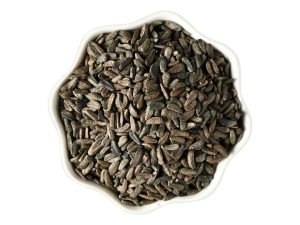
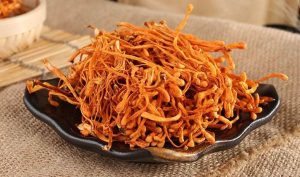
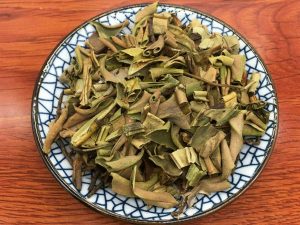
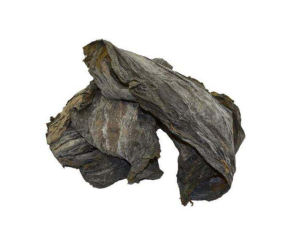
Licorice 10 fen (roasted), Bitter Orange 10 fen (split, soaked in water, and roasted dry), Bupleurum 10 fen, Peony 10 fen.
Source
*Treatise on Cold Damage*.
Processing
Grind the ingredients into a fine powder.
Benefits
For Shaoyin syndrome, where cold pathogens transform into heat and transmit to the interior, causing abdominal pain, difficulty urinating, loose stools with a sensation of heaviness in the lower abdomen, and cold extremities; as well as for disharmony between the liver and spleen, manifesting as chest and abdominal pain, loose stools with a sensation of heaviness in the lower abdomen, etc.It is currently often used for acute and chronic hepatitis, acute and chronic cholecystitis, cholelithiasis, biliary ascariasis, chronic gastritis, gastric ulcers, gastrointestinal neurosis, pancreatitis, appendicitis, intercostal neuralgia, as well as menstrual irregularities, dysmenorrhea, and pelvic inflammatory disease in women—all conditions attributed to liver qi stagnation and disharmony between the liver and spleen.
Instructions for Use
Take one fangcun bi per dose, mixed with plain water, three times daily.
Note
This formula should not be used in cases of yin syndrome with cold extremities extending above the elbow or below the knee; it is also contraindicated for cold extremities due to cold-induced collapse, as well as for patients with liver yin deficiency or deficiency-cold of the middle qi.
Si Ni San,For Shaoyin syndrome, where cold pathogens transform into heat and transmit to the interior, causing abdominal pain, difficulty urinating, loose stools with a sensation of heaviness in the lower abdomen, and cold extremities; as well as for disharmony between the liver and spleen, manifesting as chest and abdominal pain, loose stools with a sensation of heaviness in the lower abdomen, etc.It is currently often used for acute and chronic hepatitis, acute and chronic cholecystitis, cholelithiasis, biliary ascariasis, chronic gastritis, gastric ulcers, gastrointestinal neurosis, pancreatitis, appendicitis, intercostal neuralgia, as well as menstrual irregularities, dysmenorrhea, and pelvic inflammatory disease in women—all conditions attributed to liver qi stagnation and disharmony between the liver and spleen.