
Dandelion and Green Orange Peel Honey Decoction,From *Proven Tea, Decoction, and Soup Recipes for Common Ailments*,Clears heat and purges fire; regulates qi and relieves pain. Suitable for chronic gastritis of the stomach-heat type, characterized by burning pain in the epigastric region that is slightly relieved by coolness, a preference for cold foods, dry mouth, a bitter taste, and a yellow, greasy tongue coating.
Dandelion and Green Orange Peel Honey Decoction
Herbal Tea Name: Dandelion and Green Orange Peel Honey Decoction
Chinese Name: 蒲公英青皮蜜汁
Formula
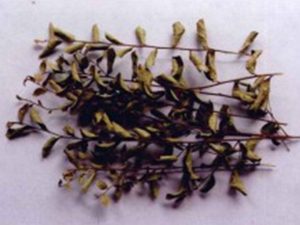
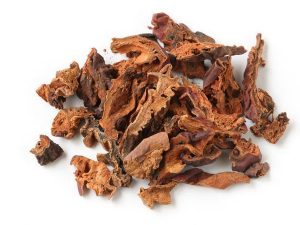
100 grams of honey, 20 grams of dandelion, 2 grams of raw rhubarb, and 10 grams of green tangerine peel.Main Ingredients
How To Make
Place the last three ingredients in a pot with an appropriate amount of water and decoct twice, 20 minutes each time. Combine and strain the decoctions. Once cooled, stir in the honey to complete.
Efficacy
Clears heat and purges fire; regulates qi and relieves pain. Suitable for chronic gastritis of the stomach-heat type, characterized by burning pain in the epigastric region that is slightly relieved by coolness, a preference for cold foods, dry mouth, a bitter taste, and a yellow, greasy tongue coating.
Usage
Take one dose daily, divided into two servings. One course of treatment lasts 7 days.


Commentary
Taking dandelion (Pu-gong-ying) as the leading herb, the formula draws on its bitter, sweet flavor and cold property: its action follows the Liver, Stomach meridians and works to clear heat, remove toxins, dissipate nodules and promote urination. Raw rhubarb takes the deputy (minister) role. Green tangerine peel (Qing-pi) adds further support, working to soothe the liver and break qi. Honey (Feng-mi) acts as the coordinating (envoy) herb, working to moisten the lung and harmonize the formula and unite the separate actions into one. Collectively, the combination clear heat and purge fire, regulate qi and relieve pain, addressing the heat and cold pattern responsible for burning pain in the epigastric region that is slightly relieved by coolness, a preference for cold foods.