
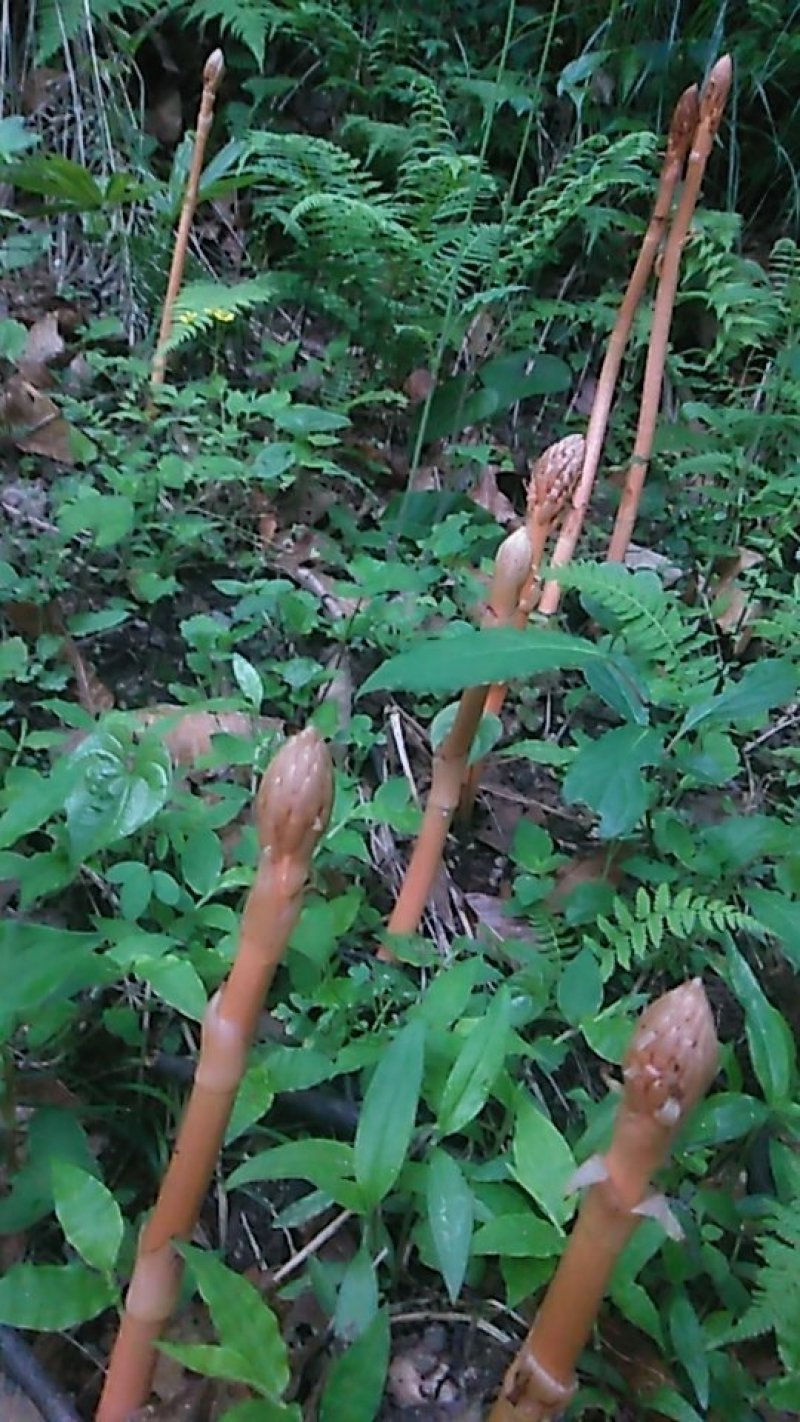
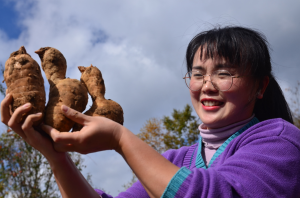
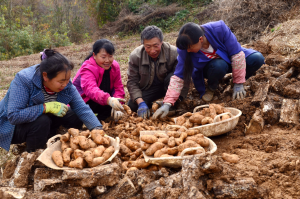
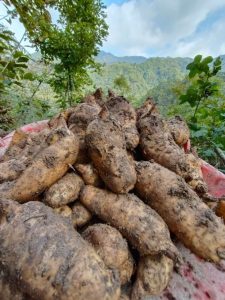
Lueyang County, Hanzhong, Shaanxi, located in the southern foot of the Qinling Mountains, owns China’s first officially certified GAP Chinese medicinal herb base dedicated to Gastrodia elata.Passing official national GAP certification in 2006, this medicinal herb base strictly follows the Good Agricultural Practice for Chinese Crude Drugs, implements full-cycle standardized management from germplasm breeding, under-forest cultivation, field management, harvesting & processing to quality inspection, and matches the national geographical indication protection system of Lueyang Gastrodia elata (approved in 2009). It is a benchmark standardized medicinal source base for gastrodia nationwide, supplying stable, safe, high-quality gastrodia raw materials for pharmaceutical factories, TCM decoction piece enterprises and national Chinese medicine centralized procurement market.
1. GAP Certification Milestones & Official Qualifications
- 2004: Lueyang gastrodia planting base passed on-site review by NMPA expert group, becoming the first gastrodia base in China to complete GAP on-site assessment.
- February 26, 2006: The National Food and Drug Administration officially issued an announcement confirming that the gastrodia base of Hanwang Lueyang Traditional Chinese Medicine Technology Co., Ltd. complies with national medicinal herb GAP specifications, marking the formal establishment of China’s first GAP-certified gastrodia medicinal herb base.
- 2025: Two major local gastrodia planting bases successively passed Shaanxi provincial GAP acceptance:
- 696-mu base of Wulong Lüwo Biotechnology (certified Aug 18, 2025).;
- 460-mu base of Hanwang Lueyang TCM Technology (certified Nov 14, 2025), awarded the title of Shaanxi Provincial GAP Medicinal Source Base.
- Combined certification system: The GAP base is superimposed with national geographical indication product protection, organic certification and ecological origin certification, forming a multi-level quality control system centered on GAP standardized production.
2. Core GAP Standardized Management Rules (Six Unifications System)
As a formal GAP Chinese medicinal herb base, all planting areas implement mature six-unified standardized management to guarantee consistent medicinal quality of gastrodia batches.:
- Unified germplasm allocation: Only certified improved varieties Lue Ma No.1 and Lue Ma No.2 are applied; non-local gastrodia varieties are forbidden to avoid germplasm degradation.
- Unified strain matching: Specialized germination fungi and Armillaria mellea strains cultivated locally are distributed uniformly to ensure stable growth efficiency and gastrodin accumulation.
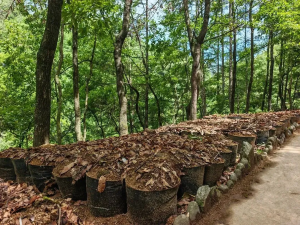
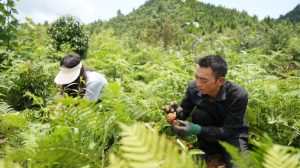
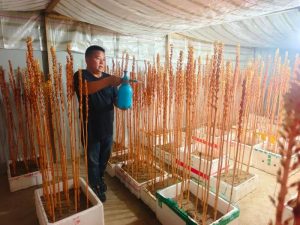
- Unified planting norms: Prioritize under-forest wild-simulated ecological cultivation, limit greenhouse intensive planting; prohibit banned pesticides, excessive chemical fertilizers and growth regulators in line with GAP pollution-free requirements.
- Unified field monitoring: Set fixed meteorological stations, soil testing points and pest monitoring sites inside the base to record temperature, humidity, soil composition and pest conditions every day, forming complete planting archives.
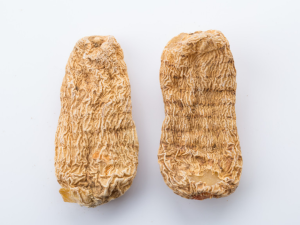
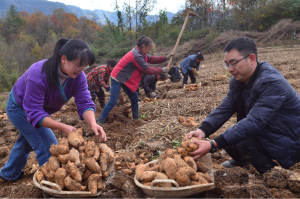
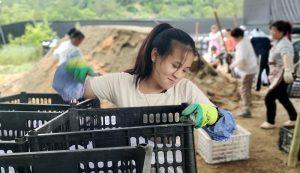
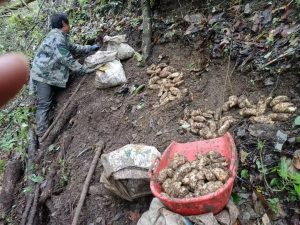
- Unified harvesting & processing standards: Specify fixed harvest periods, low-temperature drying parameters and cleaning procedures; unqualified fresh gastrodia is eliminated before processing.
- Unified full-chain traceability: Each plot and each batch of gastrodia is assigned exclusive traceability QR codes, covering seedling sources, planting records, detection reports, processing logistics, realizing traceability from woodland to pharmaceutical factory terminals.
3. Natural Advantages Supporting GAP Planting Standards
Lueyang’s natural ecological conditions perfectly satisfy the environmental requirements of GAP medicinal herb cultivation:
- Forest coverage reaches 78.75%, zero industrial pollution, forming natural 70%–85% shade under broad-leaved forests that fits gastrodia’s shade-loving trait;
- Climate sits in the transition zone of subtropical and temperate monsoon climate, slow growth cycle facilitates continuous accumulation of gastrodin; the gastrodin content of Lueyang gastrodia reaches 0.36%~0.4%, 1.8–2 times the standard of Chinese Pharmacopoeia (0.2%);
- Oak forest humus soil is rich in organic matter and beneficial microorganisms, reducing disease incidence of gastrodia naturally and lowering pesticide usage to meet GAP safety standards.
4. Base Scale & Industrial Application Value
- Scale layout: Lueyang has built 7 standardized GAP demonstration zones, with a total GAP-certified gastrodia planting area of nearly 30,000 mu;
- Market competitiveness: Supported by GAP certification and traceability system, Lueyang gastrodia was selected into the national TCM decoction piece centralized procurement catalogue in 2026, ranking 1st in Shaanxi Province and 2nd nationwide in base assessment results; over 50% of local gastrodia products enter national centralized procurement channels stably;
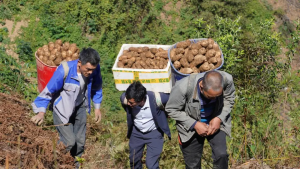
- Industrial mode: Adopt the operation system of Leading Enterprise + GAP Base + Cooperatives + Farmers, unify acquisition of qualified gastrodia from surrounding farmers under GAP standards, driving tens of thousands of mountain households to increase stable income.
5. Significance of Lueyang Gastrodia GAP Base
- Quality controllability: GAP whole-process standardization solves the pain points of uneven quality, pesticide residues and unstable effective components in scattered gastrodia cultivation across China;
- Market recognition: GAP qualification becomes the core admission credential for supplying large pharmaceutical groups and national medicine procurement platforms;
- Model demonstration: Combining GAP standardized cultivation with under-forest ecological planting, Lueyang creates a replicable development mode for GAP authentic medicinal herb bases in mountainous Qinba regions.
Conclusion
Being China’s first GAP Chinese medicinal herb base for gastrodia certified in 2006, Lueyang Gastrodia elata base integrates GAP standardized production, geographical indication protection and traceability management. Relying on Qinling primitive ecology and strict agricultural specifications, it delivers safe, high-content authentic gastrodia medicinal materials for the global TCM industry and sets the industry standard for standardized construction of gastrodia planting bases nationwide.
Interesting to see GAP certification for Gastrodia elata from the Qinling foothills—that region has a solid reputation for traditional herbs. Standardized growing practices make