
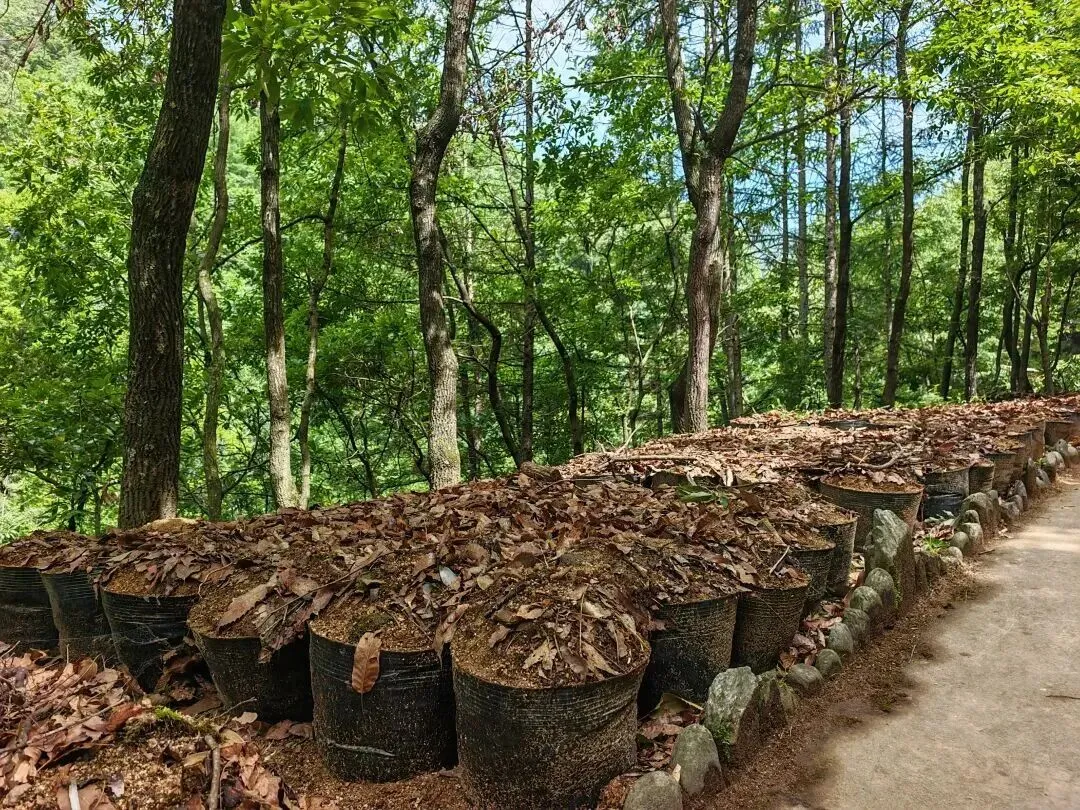
Located in the Qinba Mountains ecological zone of Kang County, Longnan, Gansu Province, the standardized Wild simulated herb planting base takes natural oak broad-leaved forests as the carrier to develop under-forest bionic cultivation of Gastrodia elata. Abiding by the principle of no deforestation, no occupation of cultivated land, the base completely simulates the primitive wild growing environment of wild gastrodia, abandons greenhouse intensive chemical cultivation, and combines national geographical indication management, organic certification and standardized planting systems. It retains the wild medicinal potency of Kang County authentic gastrodia while realizing large-scale ecological production, being a typical under-forest economy base integrating forest conservation, wild-simulated herbal cultivation and Daodi medicinal material production.
1. Construction Logic of Under-Forest Wild-Simulated Planting
Kang County enjoys a forest coverage rate exceeding 76%, with a subtropical-temperate transition climate, clean water and selenium-rich humus soil, which perfectly matches the growth habits of wild gastrodia that favors shade, humidity and loose forest humus substrate.
- Make full use of existing natural oak forests without felling trees or reclaiming farmland, forming an ecological cycle mode of planting herbs under forests, nourishing forests with herbs; the canopy density is maintained at 70%–85% to form scattered diffuse light consistent with wild gastrodia’s shade-loving trait.
- Reserve natural fallen leaves and rotten branches in forests to form native humus layers as natural growth medium for gastrodia; no chemical fertilizers are applied, and forest natural food chains restrain pests and diseases automatically.
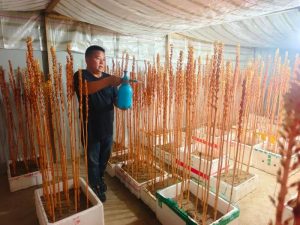
- Traditional open-land wild simulation is upgraded to innovative under-forest barrel planting bionic technology, realizing soil replacement instead of land replacement, solving the industry-wide continuous cropping degradation problem of gastrodia, and shortening the growth cycle reasonably while keeping medicinal quality close to wild gastrodia. The whole growth cycle of wild-simulated gastrodia lasts 10–12 months with slow natural growth, fully accumulating gastrodin and active medicinal ingredients.
2. Standardized Planting Specifications of Wild Simulated Herb Base
All forest planting plots implement unified bionic planting norms to stabilize the consistent quality of Kang County under-forest gastrodia:
- Unified improved germplasm: Mainly plant local superior varieties including black gastrodia, red gastrodia and hybrid gastrodia; establish a 60-mu gastrodia seedling breeding center to supply zero-generation detoxified seedlings entirely, eliminating degraded hybrid seedlings.
- Matching native strains: Self-develop special germination fungi and Armillaria mellea adapted to mountain microclimate, no plant growth regulators added in the whole process.
- Pollution-free management: Ban chemical pesticides, herbicides and compound fertilizers; rely on forest birds, insects and soil microorganisms for natural pest control, and oak fallen leaves supplement organic nutrients naturally.
- Scientific fallow rotation: For open-land wild-simulated plots, implement 2–3 years of fallow after harvesting to restore soil fertility and forest microbial balance; barrel planting mode realizes annual repeated planting in the same woodland without fallow, greatly improving forest utilization efficiency.
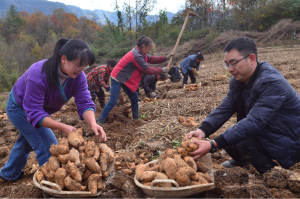
- Mature-period centralized harvesting: Prohibit premature digging to guarantee sufficient accumulation of medicinal components.
3. Core Quality Advantages of Kang County Wild-Simulated Gastrodia
- High content of active ingredients: The gastrodin content of under-forest bionic gastrodia reaches 1.11%, far higher than the 0.5% standard specified in Chinese Pharmacopoeia, ranking among the top domestic gastrodia producing areas.
- Wild medicinal property & zero pollution: No chemical intervention during growth, low sulfur green processing adopted later, sulfur residue less than 1/5 of the national limit, strong natural medicinal fragrance, medicinal effect close to wild gastrodia.
- Safe ecological attributes: Under-forest planting avoids soil hardening and pollution caused by greenhouse cultivation; multiple core demonstration forests have passed organic product certification, eligible for export to European, Southeast Asian organic herbal markets.
4. Base Scale & Ecological Economic Mode
By 2025, Kang County’s wild simulated gastrodia planting area has reached more than 10,000 mu; according to the industrial plan (2026–2030), the under-forest wild-simulated planting area will expand to 130,000 mu, covering 13 towns and 93 administrative villages across the county.
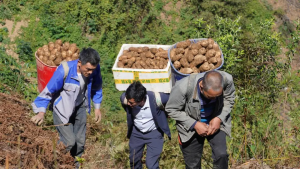
Adopt the linkage operation mode: Leading Enterprise + Wild Simulated Base + Cooperatives + Farmers: The government delimits exclusive under-forest medicinal protection zones, uniformly distributes detoxified seedlings and bionic planting technologies, and purchases qualified gastrodia at guaranteed prices under geographical indication standards.
This model protects the Qinba ecological barrier while converting forest ecological advantages into industrial income, driving more than 22,000 local households to participate in the industry, with household annual income increasing by 20,000–60,000 RMB.
5. Supporting Certification System
The wild simulated herb base is fully incorporated into the quality certification system of Kang County Gastrodia Elata (National Geographical Indication Product certified in 2025):
- Only gastrodia planted in designated wild-simulated forest zones can use the geographical indication exclusive logo;
- Key demonstration plots are included in GAP standardized management, with multiple sections awarded organic product certification;
- Kang County gastrodia is included in the “Ganwei” high-quality agricultural product catalogue and obtains independent import and export qualifications, with export volume exceeding 10 million RMB in 2025.
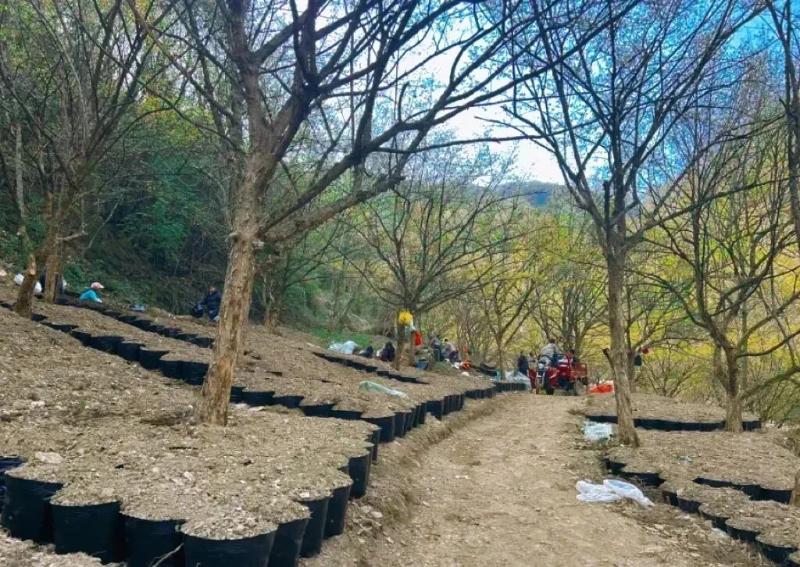
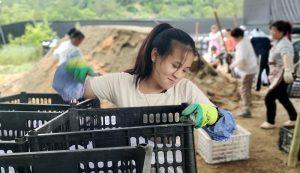
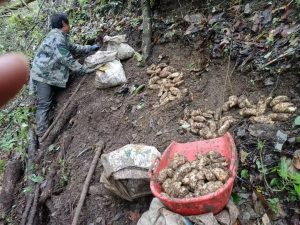
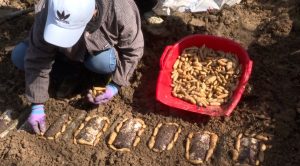
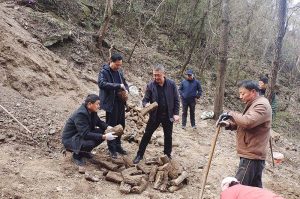
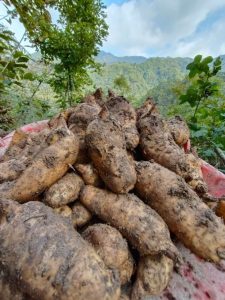
Kangxian Under-forest Gastrodia elata Base
Conclusion
Relying on the primitive forest resources of the Qinba Mountains, Kang County builds a mature Wild simulated herb planting base for gastrodia. By simulating the wild natural growth state of gastrodia, it retains the Daodi medicinal efficacy of Gansu Qinba gastrodia under the premise of ecological priority. The innovative under-forest bionic barrel planting model resolves the contradiction between medicinal cultivation and ecological protection, forming a replicable green planting model for Daodi medicinal herbs in mountainous areas of western China.
Toller Ansatz! Die Idee, Gastrodia elata im natürlichen Wald unter Eichen anzubauen, ohne Bäume zu fällen oder Ackerland zu nutzen, ist wirklich zukunftsweisend. So bleibt der Wald intakt und die Qualität der Heilpflanze profitiert vom natürlichen Ökosystem. Wünschenswert wäre, dass solche nachhaltigen Projekte mehr Aufmerksamkeit be
That