
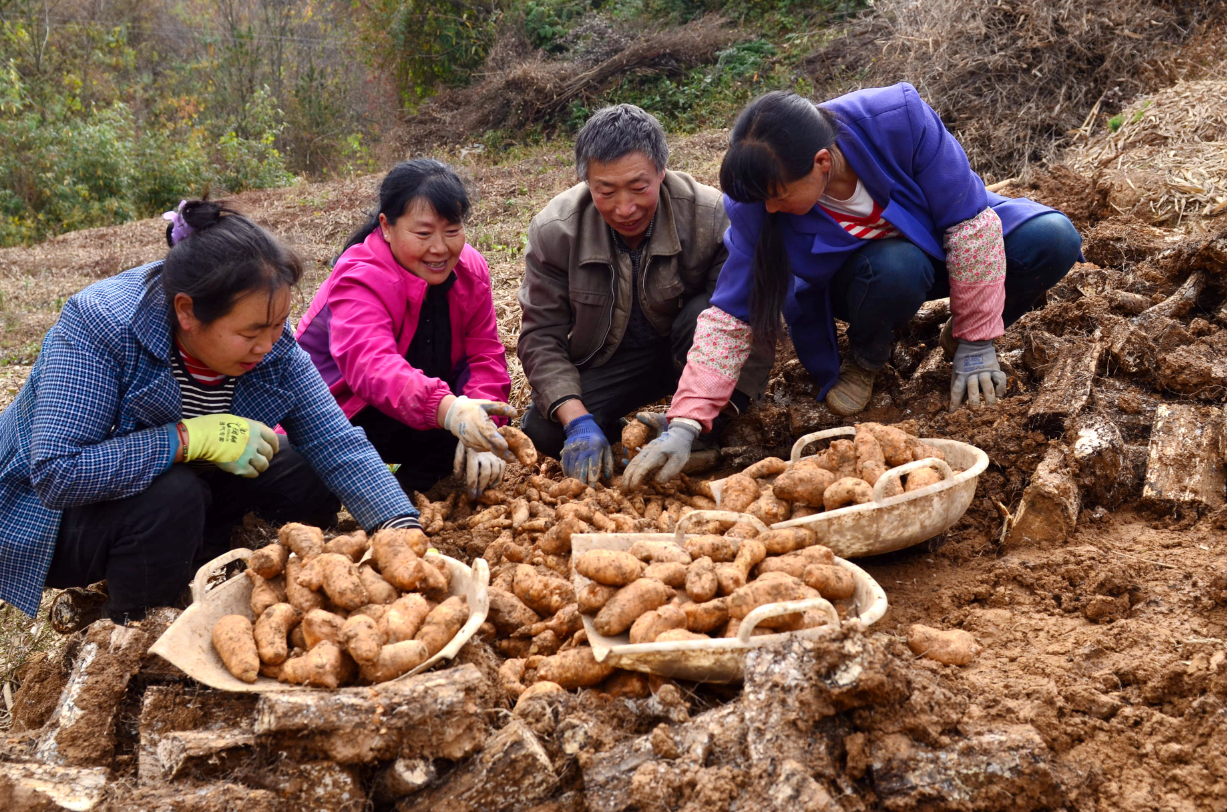
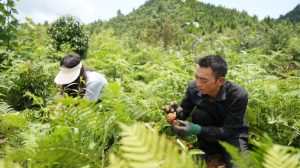
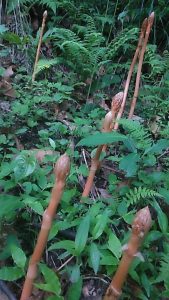
Renowned as a top-tier Daodi Chinese herb planting base for Gastrodia elata, Ningqiang County in Hanzhong, Shaanxi Province, is located in the ecological core of the Qinba Mountains and the source of the Hanjiang River. Boasting a 50-year history of artificial Gastrodia elata cultivation, unique natural terroir, mature standardized planting systems and authoritative quality certifications, it is widely recognized as the birthplace of domestic artificial gastrodia planting and a benchmark base for high-quality authentic Chinese medicinal herbs.
Superior Terroir: Core Foundation of Daodi Medicinal Materials
The exclusive geographical and climatic conditions of Ningqiang lay an irreplaceable foundation for its status as a classic Daodi Chinese herb planting base. Situated at the transition of subtropical and temperate monsoon climates, the region features mild temperatures, abundant rainfall, distinct four seasons, sufficient forest shade and fertile humus soil. With an average annual temperature of 13℃, annual precipitation of 1178 mm and a frost-free period of 247 days, the local environment perfectly fits the growth habits of high-quality black Gastrodia elata.
Endowed with rich ecological resources, the county has 112,000 hectares of dedicated gastrodia fungus timber forest and 3.71 million cubic meters of oak forest resources. The forest humus layer is rich in organic matter and beneficial microorganisms, enabling full accumulation of gastrodin, amino acids and multiple trace elements in gastrodia tubers. The medicinal active content of Ningqiang black Gastrodia elata reaches approximately 4%, far exceeding national medicinal standards, which fully embodies the superior efficacy and authentic quality of daodi Chinese herbal medicines.
Innovative Ecological Planting Mode & Standardized Management
As a standardized Daodi Chinese herb planting base, Ningqiang inherits the pioneering planting technology founded by Professor Xu Jintang, the “Father of Gastrodia Elata”, who pioneered wild gastrodia domestication and artificial cultivation here in the 1970s. After decades of technical iteration, the base has formed a scientific, ecological and sustainable planting system, abandoning traditional extensive planting modes.
Ningqiang has built a complete germplasm protection system of “one reserve zone, one breeding nursery and one core garden”, and maintains long-term scientific cooperation with Beijing University of Chinese Medicine. Its professional fungi research institute independently develops high-quality germination fungi and Armillaria mellea strains, occupying 75% and 25% of the national market share respectively, providing core germplasm guarantee for daodi gastrodia planting.
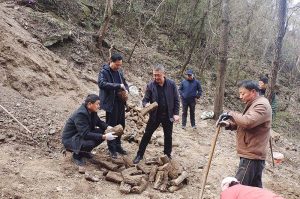
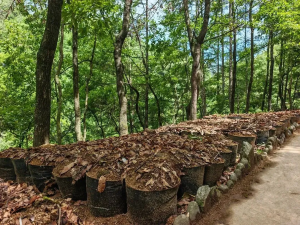
The base mainly adopts the under-forest wild-simulated planting mode, supplemented by standardized refined cultivation. It strictly follows unified local industry standards and national medicinal material management specifications, with whole-process standardized control over strain matching, sowing, field management, harvesting and storage. Minimal manual intervention and zero excessive chemical inputs ensure that the produced gastrodia retains pure natural daodi medicinal properties.
Authoritative Certifications: Official Endorsement for Daodi Quality
Quality certification is the core symbol of Ningqiang’s standardized Daodi Chinese herb planting base. The base has obtained a full set of national authoritative qualifications, building a comprehensive quality traceability and guarantee system:
It has officially passed the national GAP Chinese Medicinal Herb Base Certification, realizing full-chain quality supervision and traceability of medicinal materials. Meanwhile, Ningqiang Gastrodia elata holds multiple authoritative credentials includingNational Geographical Indication Certification Trademark, National Ecological Origin Protection Product Certification and Organic Product Certification. In 2024, Ningqiang was awarded the honorary title of “Hometown of Gastrodia Elata in China”, firmly consolidating its leading position as a premium daodi gastrodia producing base in China.
Industrial Scale & Comprehensive Strength
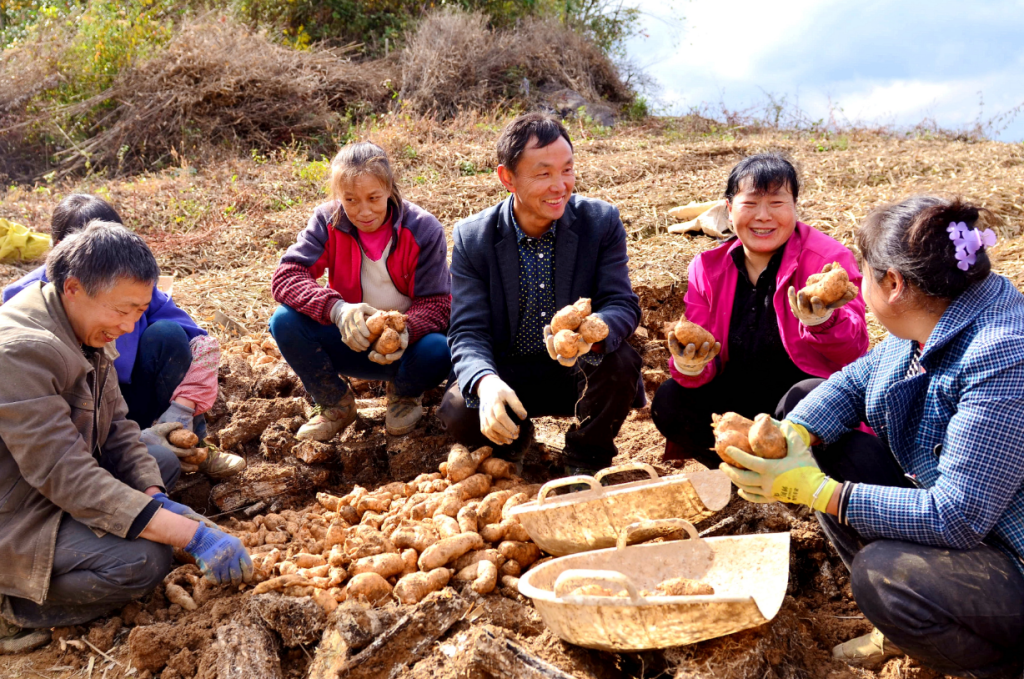
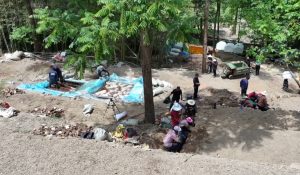
Centering on the construction of the Daodi Chinese herb planting base, Ningqiang has cultivated a complete industrial chain integrating strain R&D, standardized planting, intensive processing and market sales. The county hosts 24 fungal production enterprises, 115 professional planting enterprises and 56 deep-processing enterprises.
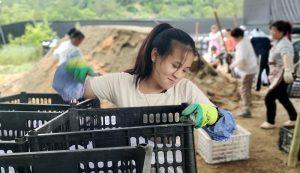
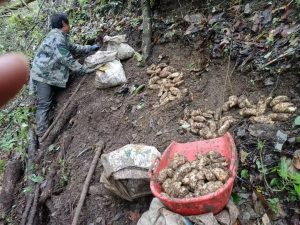
At present, the stable gastrodia planting area reaches 60,000 mu, with an annual output of over 60,000 tons of fresh Gastrodia elata and a comprehensive industrial output value exceeding 2 billion yuan. Adopting the mature operation model of “Leading Enterprise + Base + Professional Cooperatives + Farmers”, the base drives more than 47,000 local residents to increase employment and income, becoming a core demonstration zone for the high-quality development of daodi medicinal materials in the Qinba Mountain region.
Conclusion
Integrating unique ecological terroir, century-old planting heritage, leading scientific research technology and national standardized management, Ningqiang fully demonstrates the core advantages of a professional Daodi Chinese herb planting base. It consistently supplies high-quality, authentic, safe and traceable black Gastrodia elata for domestic and global TCM markets, and sets a high-standard model for the green, standardized and sustainable development of China’s daodi Chinese herbal medicine industry.
Fascinating to learn about Ningqiang’s Gastrodia elata heritage—50 years of cultivation in such a pristine ecological zone really speaks to the quality. I’ve used herbs from the Qinba Mountains before and noticed the difference
مقال رائع! سرني جداً معرفة أن منطقة نينغكيانغ لديها هذا التاريخ الطويل في زراعة نبات الغاستروديا. الخمسون عاماً من الخبرة مع البيئة الطبيعية الفريدة في جبال تشينبا يضمنان بلا شك جودة عالية لهذه العشبة الطبية الثمينة. أتمنى أن