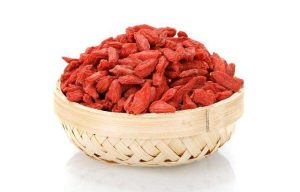
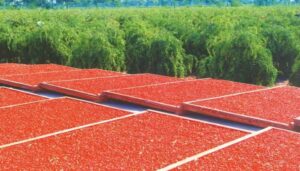
What does goji berry do for your eyes? As a herbal pharmacist, I break down goji’s eye benefits, zeaxanthin & lutein, retinal protection, research, dosage and safety warnings.
Our eyes are constantly exposed to blue light, UV radiation, oxidative stress and aging. These stressors create free radicals that damage delicate retinal tissue, especially the macula — the region responsible for sharp central vision. Many clients who spend long hours on screens ask: How exactly do goji berries benefit eye health, and can they protect macular function?
As a herbal pharmacist, goji berries are one of the richest natural dietary sources of zeaxanthin, paired with lutein and LBP (Lycium barbarum polysaccharides). These nutrients accumulate directly in eye tissue to shield the retina, filter harmful blue light and fight oxidative damage. Goji supports long-term eye maintenance; it cannot reverse advanced macular degeneration, cataracts or glaucoma.
Key Active Eye-Supporting Compounds
Zeaxanthin The primary nutrient behind goji’s eye benefits. Zeaxanthin deposits in the macular region of the retina, forming a protective yellow pigment. It absorbs blue light from phones, laptops and sunlight, neutralizing free radicals that injure retinal cells. Zeaxanthin helps preserve macular density as you age.
Lutein Works alongside zeaxanthin. Lutein also builds up in the retina, reinforcing the eye’s natural antioxidant filter and reducing light-induced oxidative stress.
Lycium barbarum Polysaccharides (LBP) LBP improves blood flow and microcirculation to the eyes, delivering oxygen and nutrients to retinal cells. Preclinical research shows LBP reduces retinal inflammation and protects retinal ganglion cells from oxidative damage. It also supports overall systemic antioxidant status, lowering whole-body oxidative burden that impacts eye tissue.
Other antioxidants (beta-carotene, vitamin C) These compounds further reduce oxidative stress across eye tissues and support tear gland function, helping ease dry eye discomfort linked to inflammation.
Real Client Case: Screen Fatigue & Low Macular Pigment
A 52-year-old office worker consulted me. She spent 8+ hours daily in front of monitors and complained of persistent eye strain, dry eyes and occasional blurry vision at dusk. Her eye test showed reduced macular pigment optical density (MPOD), with no signs of advanced eye disease.
I recommended 10–12g dried goji berries daily in the morning, paired with regular screen breaks and blue-light protective eyewear.
After 12 weeks, she reported less eye fatigue and fewer dry-eye symptoms. Repeat MPOD testing showed improved macular pigment levels. This illustrates goji nourishes retinal tissue; it cannot cure cataracts, glaucoma or severe macular degeneration.
Clinical Research & Industry Data
Human studies published in Nutrients demonstrate regular goji berry intake raises blood and retinal zeaxanthin levels and increases macular pigment density. Research participants also reported reduced eye fatigue from prolonged screen exposure. Studies on LBP show protective effects on retinal cells under oxidative stress.
Important reality check: Goji berries are nutritional support for eye health, NOT eye medication. They cannot reverse cataracts, cure glaucoma, or restore vision lost from advanced macular degeneration. Always keep regular ophthalmology appointments for eye disease screening.
Core Eye Health Benefits of Goji Berries
- Build macular pigment with zeaxanthin Zeaxanthin concentrates in the macula, forming a natural filter to block damaging blue light.
- Protect retinal cells from oxidative damage LBP and carotenoids neutralize free radicals from UV, blue light and aging.
- Improve microcirculation to the eyes Better blood flow delivers nutrients to retina and optic tissues.
- Reduce digital eye strain and dry eye symptoms Lower inflammation helps ease tired, gritty eyes from long screen use.
- Support long-term age-related eye wellness Sustained intake helps maintain macular health as you grow older.
Recommended Dosage for Eye Support
- Dried goji berries: 10–12 grams daily. Do not exceed 20g daily to limit natural sugar intake.
- Standardized LBP extract: 500–1000mg daily. If eye health is your main goal, whole berries are preferred due to high zeaxanthin content.
- Allow 8–12 weeks of consistent daily intake to build up zeaxanthin stores in retinal tissue.
Safety Notes & Herb-Drug Interactions
- Blood thinners (warfarin): Goji may increase bleeding risk; consult your ophthalmologist or primary provider before use.
- Diabetes medications / insulin: Goji may lower blood sugar; monitor glucose closely.
- Antihypertensive medications: May amplify blood pressure lowering; watch for dizziness.
- Eye prescription drops / glaucoma medications: Continue all prescribed eye treatments; goji is adjunct nutrition only.
- Allergy: Rare, but those sensitive to nightshade plants may have allergic reactions.
Disclaimer: Goji berries and LBP extracts are nutritional botanical supplements, NOT medical treatment for eye disorders. They cannot replace prescription eye medications, eye surgery or routine eye exams. This educational content does not substitute professional advice from an ophthalmologist or optometrist.
Frequently Asked Questions
Q: Can goji berries improve eyesight?
A: They help protect existing vision and ease eye strain. They will not reverse nearsightedness or restore permanent vision loss.
Q: Is goji better than lutein supplements?
A: Goji provides natural zeaxanthin plus lutein and LBP together. Isolated lutein supplements usually contain more lutein but less zeaxanthin.
Q: Can goji help glaucoma?
A: It supports retinal cell protection and circulation but is not a glaucoma treatment. Never stop prescription glaucoma eye drops.
Q: Can children take goji berries for screen eyes?
A: Small food portions are generally safe for kids, but high-dose supplementation should be approved by a pediatrician.