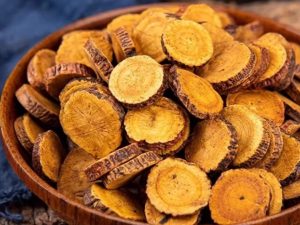
Licorice root can raise blood pressure—but only the regular, full-spectrum version. As a herbal pharmacist, this is the number one safety question I get about licorice, and the confusion almost always comes from mixing up regular licorice and DGL licorice. These two forms act completely differently on your blood pressure and electrolyte balance.
Disclaimer: This article is for educational wellness reference only. It is not medical advice. If you have hypertension, heart disease, or take prescription blood pressure medications, consult your doctor before using any licorice products.
Why Regular Licorice Raises Blood Pressure
The culprit behind elevated blood pressure is glycyrrhizin, the active compound found in standard licorice root, licorice tea, and regular licorice extracts.
Glycyrrhizin blocks an enzyme in the kidneys that regulates sodium and potassium excretion. When this enzyme is inhibited, your body holds onto excess sodium and water while flushing out potassium. This fluid retention increases blood volume and puts extra pressure on blood vessel walls, gradually causing higher blood pressure with consistent daily use.
This effect does not usually happen from occasional, random use. It develops with continuous long-term intake, typically several weeks or more of daily regular licorice.
DGL Licorice Does NOT Raise Blood Pressure
If you’re using licorice for gut issues like heartburn, gastritis, bloating, or ulcers, DGL (Deglycyrrhizinated Licorice) is the safe option.
DGL is specially processed to remove 90%+ of glycyrrhizin. Without glycyrrhizin, there is no sodium retention, no potassium loss, and no blood pressure spike. It retains all the gut-soothing, mucosa-repairing, anti-inflammatory benefits of licorice while eliminating the cardiovascular side effects entirely.
This is why DGL is approved for long-term daily digestive support, even for people with mild hypertension.
Real Client Case: Licorice-Induced Blood Pressure Spike
I see this scenario often in my consultations:
A 42-year-old client loved drinking licorice tea daily for stomach bloating for over two months. He had no prior high blood pressure, but during a routine checkup, his blood pressure was mildly elevated, and he also experienced slight ankle swelling and fatigue. After stopping daily licorice tea intake, his blood pressure returned to normal within two weeks.
This case perfectly shows that chronic daily regular licorice use is the main risk factor, while short-term or occasional use rarely causes issues.
Who Must Avoid Regular Licorice Completely
To prevent blood pressure and electrolyte complications, avoid full-spectrum licorice if you have:
- High blood pressure or hypertension
- Heart disease, arrhythmia, or palpitations
- Kidney dysfunction
- Low potassium levels
- Pregnancy or breastfeeding
- Prescription blood pressure drugs or diuretics
Safe Usage Rules to Avoid Blood Pressure Issues
- For digestion issues: Always choose DGL licorice—zero blood pressure risk
- For adrenal/cortisol support: Use regular licorice in cycles (4–6 weeks on, 1–2 weeks off), never non-stop daily
- Avoid daily licorice tea: It contains unregulated glycyrrhizin and is easy to overconsume long-term
FAQs
Q: Will one cup of licorice tea raise blood pressure?
A: No. Occasional, sporadic use will not cause blood pressure elevation. Only consistent daily long-term use creates risk.
Q: Can DGL licorice cause high blood pressure?
A: No. DGL is glycyrrhizin-free and has no impact on blood pressure or electrolyte balance.
Q: How long does it take for blood pressure to normalize after stopping licorice?
A: For most people, fluid retention and elevated blood pressure resolve within 1–3 weeks after discontinuing regular licorice.
Final Pharmacist Verdict
Licorice root only raises blood pressure when using regular glycyrrhizin-containing licorice long-term. If you’re using licorice for gut health, stick to DGL for safe, side-effect-free relief. If you’re using regular licorice for adrenal and cortisol support, always cycle your usage to avoid blood pressure and electrolyte problems.