
Ophiocordyceps sinensis (commonly called cordyceps sinensis, wild caterpillar fungus) and Cordyceps militaris are two distinct but closely‑related cordyceps species. Neither is universally “better”. The right choice depends on your use case, budget, safety priorities, and wellness goals.
Disclaimer: This is educational content, not medical advice. Consult a healthcare provider before starting herbal supplements.
Quick background
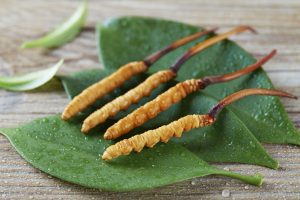
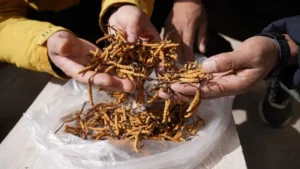
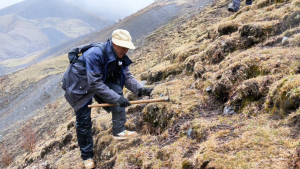
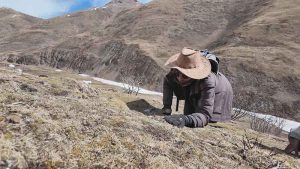
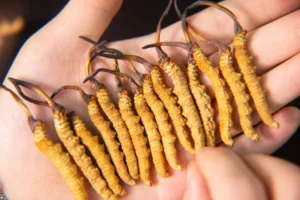
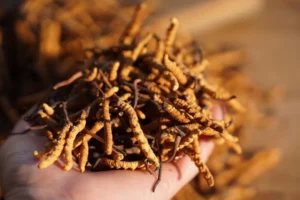
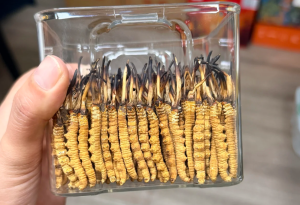
Ophiocordyceps sinensis (C. sinensis) Wild fungus that grows on ghost‑moth caterpillars in high‑altitude Himalayan regions. It is a revered tonic in traditional Chinese medicine, but wild supplies are limited, over‑harvested, and very expensive. Wild specimens frequently carry heavy‑metal and arsenic contamination from mountain soil, creating safety risks for daily long‑term consumption. Notably, true wild O. sinensis contains almost no cordycepin; trace cordycepin found in some wild samples usually comes from environmental contamination by other fungi.
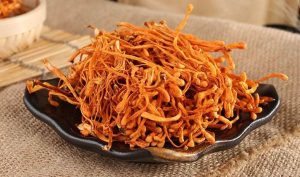
Cordyceps militaris Fully cultivatable under controlled lab conditions on grain substrates. It is the primary species used in modern commercial supplements. Properly cultivated fruiting‑body C. militaris contains high, standardizable levels of cordycepin plus cordyceps polysaccharides, the signature bioactive compounds researched in most modern studies. It is affordable, scalable, and can be third‑party tested for contaminants.
Side‑by‑side comparison
| Feature | Ophiocordyceps sinensis (wild) | Cordyceps militaris (cultivated) |
|---|---|---|
| Cordycepin content | Naturally near‑zero; trace amounts from environmental contamination | High, controllable levels in quality fruiting‑body material |
| Polysaccharides | Present | Present, can be standardized |
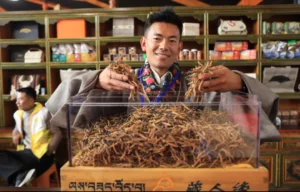
| Price | Extremely expensive luxury product | Affordable for daily supplementation |
| Contamination risk | High risk of heavy metals / arsenic | Low risk with third‑party‑tested batches |
| Supply | Scarce wild resource | Stable large‑scale cultivated supply |
| Research base | Mostly traditional use, some human clinical work | Majority of modern cordyceps pre‑clinical studies use this species |
| Best for | Occasional special‑use traditional tonic | Daily energy, immune, respiratory, post‑viral support |
When to choose C. sinensis
- You want a traditional‑formula ingredient for occasional, short‑term use under guidance of a qualified herbal practitioner.
- You prioritize historical TCM heritage and are prepared to pay premium pricing.
Not recommended for months‑long daily self‑supplementation due to contamination risks. Always request heavy‑metal test reports for any wild batch.
When to choose C. militaris
This is the better practical option for nearly all everyday consumers:
- Daily long‑term wellness support: energy, stamina, immune balance, lung support, post‑viral recovery, male reproductive support.
- You want predictable, measurable levels of bioactive markers (cordycepin, polysaccharides).
- You want an affordable, safe option with third‑party lab verification.
FAQ
Q: Is wild C. sinensis more powerful than C. militaris?
A: Not for modern daily supplementation. Wild sinensis has negligible natural cordycepin. Properly grown militaris delivers higher levels of this key compound. Wild sinensis carries pollution risks that offset its traditional reputation.
Q: Can I substitute C. militaris for C. sinensis?
A: Most modern herbal practitioners use standardized cultivated Cordyceps militaris as the practical daily‑use replacement. Authentic wild O. sinensis is reserved for special‑purpose traditional applications.
Q: Why do many supplement labels write “Cordyceps sinensis” yet sell militaris?
A: Old marketing naming conventions persist. Many brands use the historic common name sinensis on packaging, while the actual ingredient is cultivated militaris. Read the fine print for exact species information.
Q: Can I take wild C. sinensis every day?
A: Not advised for most people. Repeated daily intake raises heavy‑metal accumulation risk. Reserve for occasional short‑term use with expert guidance.
Q: Which one should regular consumers buy?
A: Choose third‑party‑tested Cordyceps militaris fruiting‑body extract for daily energy, immune, respiratory and recovery goals. Avoid cheap mycelium‑on‑grain products with low active‑ingredient content.
很實用的比較!以前總以為野生冬蟲夏草一定最好,看完才了解 militaris 也有
這篇文章
บทความมีประโยชน์มากครับ เคยลังเลอยู่นานระหว่างสองตัวนี้ พออ่านแล้วเข้าใจมากขึ้นว่า sinensis เหมาะกับคนที่งบถึงและต้องการตัวดั้งเดิม ส่วน militaris ก็ดีสำหรับคนที่อยากได้สารสำคัญในราคาที่จับต้องได้ ส่วนตัวว่าดูเรื่องความปลอดภัยและแหล่งที่มาสำคัญที่สุด ไม่มีตัวไหนดีกว่ากันแบบสิ้นเชิง ขอบ
Interessanter Artikel! Ich habe mich lange gefragt, ob sich der hohe Preis für den wilden Cordyceps sinensis lohnt. Für mich persönlich ist der Militaris aus dem Labor die praktischere Wahl – erschwinglich und nachhaltiger. Aber bei traditioneller Medizin zählt halt oft die Herkunft. Was nutzt ihr lieber?
Great breakdown! I’ve tried both, and for daily supplementation, militaris is my go-to simply because it’s affordable and lab-grown. But I still feel like sinensis has that traditional edge for immune support. Curious—has anyone noticed a real difference in energy levels between the two, or is it mostly placebo? Would love to hear real experiences.