
Gastrodia elata (Tianma) dispels wind, unblocks collaterals and relieves numbness and spasms. Modern pharmacological research proves gastrodin, parishin and other active ingredients improve cerebral and peripheral microcirculation, repair damaged peripheral nerves, relieve paresthesia and assist limb rehabilitation safely. This article elaborates its curative value, applicable population, action mechanism, common preparations, contraindications and medicinal food regimens for post-stroke numbness rehabilitation.
1 Core Effects on Post-Stroke Numbness
- Alleviate limb numbness & tingling Dredge blocked meridians in arms, legs, fingers and toes, relieve persistent numbness, numb-cold feeling and pins-and-needle paresthesia on hemiplegic limbs after stroke.
- Improve cerebral blood circulation Dilate cerebral microvessels, increase blood perfusion to ischemic brain areas, reduce residual ischemia that continuously damages sensory nerve centers in the brain.
- Protect damaged sensory neurons Reduce oxidative stress and neuroinflammation in injured brain tissue, slow apoptosis of sensory nerve cells, help gradually restore skin sensation of paralyzed limbs.
- Relieve limb stiffness, spasm and contracture Relax tense muscle groups on hemiplegic sides, ease limb rigidity, clenched fists and difficulty stretching limbs caused by stroke sequelae.
- Control stroke risk factors Stabilize elevated blood pressure, relieve dizziness and emotional irritability, lower the probability of recurrent stroke induced by liver-yang hyperactivity.
- Accelerate rehabilitation progress Improve limb sensation to help patients perceive touch and temperature, cooperate better with physical training and speed up motor function recovery.
2 Suitable & Unsuitable Populations
2.1 Suitable Groups
- Ischemic stroke survivors with unilateral hand, arm, leg or facial numbness, tingling and dull sensation during rehabilitation.
- Stroke patients suffering hemiplegia combined with limb stiffness, hand clenching and tendon spasms.
- Stroke rehabilitation patients accompanied by dizziness, headache, insomnia and hypertension.
- Elderly people with transient cerebral ischemia (TIA) who frequently experience periodic hand numbness as pre-stroke warning symptoms.
- Post-stroke patients with poor peripheral circulation whose limbs always feel cold and numb.
2.2 Unsuitable Groups
- Hemorrhagic stroke patients in acute bleeding phase (within 4 weeks after cerebral hemorrhage): vasodilatory effects are forbidden to avoid aggravating bleeding. Only allowed after full hemostasis and doctor approval.
- Severe hypotension crowds: gastrodia dilates blood vessels and may cause hypotension dizziness, falling risk for stroke patients.
- People allergic to gastrodia, pregnant women, infants.
- Patients with severe gastrointestinal deficiency and chronic diarrhea: long-term consumption easily causes loose stools.
- Numbness caused by spinal compression, diabetes peripheral neuropathy alone (gastrodia can only assist, cannot replace targeted treatment for diabetes or cervical lesions).
3 Mechanism of Relieving Post-Stroke Numbness
3.1 Traditional Chinese Medicine Mechanism
Post-stroke numbness pathology is summarized as wind, blood stasis obstructing meridians, qi-blood failing to nourish limbs.
Stroke damages cerebral vessels, wind-stasis blocks cranial and limb meridians; qi and blood cannot circulate to hands and feet, tendons and skin lose nourishment, thus producing numbness, loss of sensation and cold limbs.
Gastrodia elata enters liver meridian, extinguishes liver wind that agitates blood vessels, dispels wind pathogens stagnating collaterals, assists unblocking stasis-blocked meridians. When meridians are unobstructed, qi and blood circulate to paralyzed limbs, nourish tendons and skin, so numbness gradually fades and sensation recovers.
3.2 Modern Pharmacological Mechanism
- Improve cerebral microcirculation Gastrodin relaxes cerebral vascular smooth muscle, expands microvessels in ischemic brain regions, increases blood oxygen supply to sensory cortex, repairs partially damaged sensory nerve centers in the brain.
- Dredge peripheral circulation Dilate small blood vessels of extremities, improve blood flow to numb hands and feet, eliminate numbness caused by limb ischemia and cold stasis.
- Anti-neuroinflammation & nerve repair Inhibit inflammatory factors TNF-α, IL-6 around damaged brain nerves, reduce inflammatory erosion of sensory neurons, create a stable environment for nerve self-repair.
- Relieve muscular spasm Act on neuromuscular junctions, inhibit excessive muscle contraction of hemiplegic limbs, improve limb contracture which worsens numbness and poor blood flow.
- Antihypertensive & anti-thrombotic auxiliary effect Moderately regulate blood pressure, reduce vasospasm caused by high blood pressure, lower the risk of vascular re-thrombosis and recurrent stroke.
- Antioxidation Clear free radicals in brain tissue, reduce oxidative damage to surviving nerve cells and prevent further loss of sensory function.
4 Common Preparations for Post-Stroke Rehabilitation
4.1 Proprietary Chinese Medicines
- Gastrodin Tablets / Capsules Basic rehabilitation auxiliary medicine, widely used clinically for post-stroke numbness, dizziness and limb spasms.
- Tianma Gouteng Granules For stroke survivors with high blood pressure, dizziness, head distension and wind-yang type numbness.
- Compound Gastrodia & Safflower Formulas (prescription only) Combined with blood-activating herbs to unblock collaterals, used for obvious numbness complicated by blood stasis, prescribed by TCM physicians.
4.2 Raw medicinal materials for daily mild conditioning
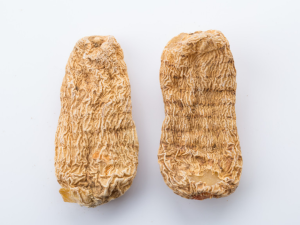
- Dried gastrodia slices: make herbal tea or stew soup for long-term rehabilitation care.
- Superfine gastrodia powder oral administration; safe daily maintenance dose: 1 g–1.5 g.
5 Contraindications & Safe Usage Rules
- Strict dosage standard Health rehabilitation dosage: dried Gastrodia elata 3–10 g per day for tea or soup; gastrodia powder 1–1.5 g daily. Overdose above 40 g leads to fatigue, dizziness and stomach discomfort.
- Control cooking method Gastrodin is thermolabile; add gastrodia into soup in the last 10–15 minutes of simmering to preserve active ingredients, avoid prolonged boiling.
- Medication combination rules
- Combine with anti-hypertensive, anti-platelet, cerebral circulation-improving western drugs only under physician supervision to avoid superimposed vasodilator effects leading to hypotension.
- Strictly prohibited for acute cerebral hemorrhage stage. Do not pair with Cynanchum paniculatum per herbal incompatibility.
- Intermittent administration Do not take continuously for more than 2 weeks consecutively; suspend for 3–5 days to maintain nerve self-regulation function. Key warning: Gastrodia is only adjuvant rehabilitation care; stroke patients must persist in regular anti-platelet, lipid-lowering treatment and rehabilitation training, never stop stroke prescription medicines privately.
- Clear functional boundary Gastrodia improves ischemic post-stroke numbness, yet cannot regenerate completely necrotic brain nerves. If numbness suddenly spreads or worsens accompanied by slurred speech and limb weakness, seek emergency treatment immediately to rule out new stroke.
- Allergy test Allergy-prone users take 0.5 g gastrodia powder first for sensitivity testing.
6 Herbal Tea & Medicinal Diet for Relieving Post-Stroke Numbness
6.1 Gastrodia Mulberry Twig Numbness-Relief Tea (Daily drinking for hand & arm numbness)
Ingredients: Gastrodia slices 3 g, mulberry twig 4 g, wolfberry 4 g
Method: Brew with boiling water, steep 20 minutes, refill hot water for daytime drinking.
Efficacy: Unblock upper limb collaterals, relieve finger and forearm numbness after stroke.
6.2 Gastrodia Pueraria Meridian-Unblocking Tea (For lower limb numbness & stiff neck)
Ingredients: Gastrodia 3 g, kudzu root 6 g, hawthorn 2 g
Method: Steep in thermos for 20 minutes every day.
Efficacy: Improve cervical and cerebral circulation, alleviate numbness of legs and feet caused by insufficient blood supply.
6.3 Gastrodia Chinese Yam Chicken Soup (Rehabilitation nourishment)
Ingredients: Gastrodia 7 g, Chinese yam 30 g, chicken breast 200 g, ginger 2 slices
Method: Simmer chicken for 40 minutes, add gastrodia and yam for the final 15 minutes, lightly salt, eat twice weekly.
Efficacy: Tonify qi, unblock collaterals, relieve cold numbness of limbs, supplement nutrition during rehabilitation.
6.4 Gastrodia Walnut Steamed Egg (Breakfast nerve nourishment)
Ingredients: Gastrodia 5 g, walnut 1 piece, 1 egg
Method: Decoct gastrodia for 15 minutes, filter soup, mix walnut and egg with decoction and steam fully, eat every other day.
Efficacy: Nourish brain sensory nerves, reduce frequent numbness triggered by fatigue.
7 Conclusion
Centered on dispelling wind, unblocking collaterals and protecting nerves, Gastrodia elata ameliorates post-stroke numbness by dredging cerebral and peripheral blood circulation, mitigating neuroinflammation and relaxing limb spasms. It effectively relieves paresthesia of hemiplegic limbs, improves limb mobility and creates favorable conditions for physical rehabilitation training.
It must be emphasized that gastrodia serves only as auxiliary rehabilitation conditioning. Standard secondary prevention medication, rehabilitation exercise, blood pressure and blood lipid control remain core treatments for stroke sequelae. For stable rehabilitation-stage ischemic stroke patients with limb numbness, rational intermittent dietary conditioning with gastrodia plus regular limb functional training can noticeably reduce numbness frequency, gradually restore limb sensation and lower the risk of stroke recurrence.
¡Interesante artículo! Mi padre tuvo entumecimiento tras un derrame y nada le aliviaba del todo. Conocía el Tianma como planta para la circulación, pero no sabía que tenía estudios tan concretos sobre la reparación nerviosa. ¿Algún preparado específico que recomienden o mejor consultar primero con un neurólogo? Gracias por compartir esta información tan útil.
Interessanter Artikel! Nach meinem Schlaganfall hatte ich lange mit Taubheitsgefühlen im linken Arm zu kämpfen. Klassische Schulmedizin hat nur bedingt geholfen. Ich habe dann zusätzlich Tianma-Präparate ausprobiert, allerdings ohne ärztliche Begleitung. Gut zu wissen, dass es dafür eine rationale pharmakologische Grundlage gibt. Danke für die