
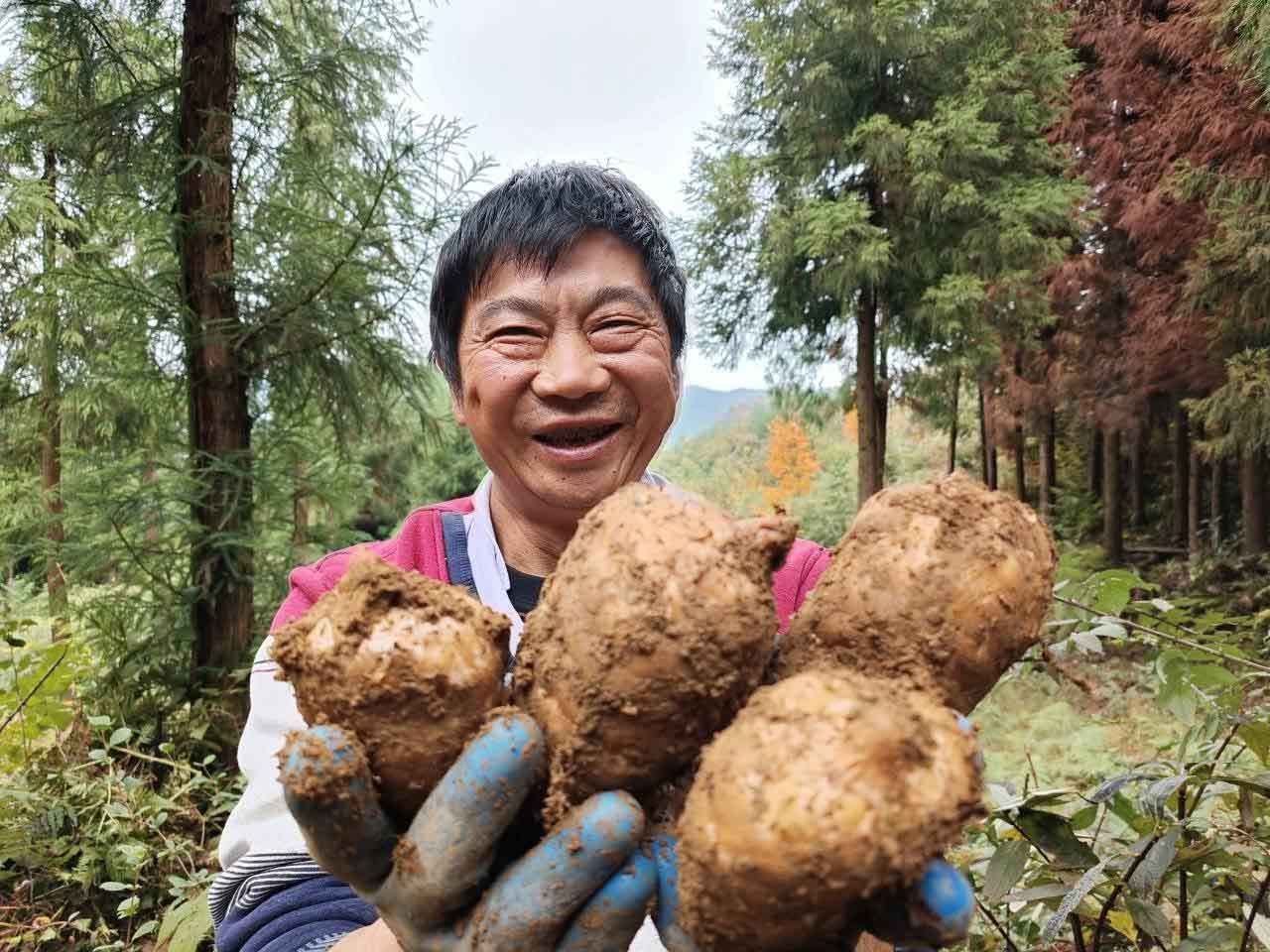
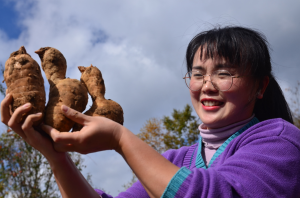
Situated in the Wumeng Mountains of Zhaotong City, Yunnan Province, the standardized Geographical Indication Herb Base focuses on cultivating authentic Zhaotong Gastrodia elata. Zhaotong Gastrodia elata was granted national geographical indication product protection in 2004. Only gastrodia planted, managed, harvested and processed within the defined origin scope of Zhaotong enjoys the legal right to use the GI exclusive label. Integrated with under-forest wild-simulated cultivation, full-life traceability and GAP standardized management, the base builds a complete quality control system centered on origin protection, serving as the core Daodi medicinal material production area of high-grade gastrodia in Southwest China.
1. GI Certification Timeline & Qualification System
- 2004: Zhaotong Gastrodia elata is approved as a national geographical indication protected product, demarcating exclusive planting boundaries for GI-certified gastrodia.
- 2002–2022: Formulate local gastrodia planting standards matched with GI requirements; construct China’s first gastrodia germplasm resource bank to guarantee germplasm security for GI bases.
- Superimposed certifications: Core GI planting zones pass organic certification, key demonstration plots adopt Chinese medicinal herb GAP management standards, and Zhaotong Gastrodia elata is included in Yunnan Green Agricultural Brand catalogue.
- Origin access mechanism: External gastrodia raw materials are prohibited from being pasted with Zhaotong GI marks, so as to safeguard the brand reputation of origin medicinal materials.
2. Unique Terroir That Creates GI Exclusive Quality
The distinctive alpine ecological environment of the Wumeng Mountains is the fundamental reason why Zhaotong gastrodia obtains geographical indication certification:
- Elevation ranges from 1800 m to 2200 m, featuring alpine stereoscopic climate with a day-night temperature difference over 15°C. The slow growth rhythm prolongs the accumulation period of gastrodin and polysaccharides.
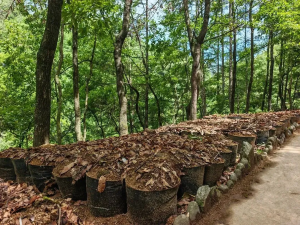
- Forest coverage exceeds 70%, natural oak broad-leaved forests maintain canopy density of 70%–85% to form scattered soft light, perfectly fitting the shade-loving characteristic of gastrodia.
- Selenium-rich humus soil decomposed by oak fallen leaves is loose and fertile, rich in beneficial microorganisms, creating a favorable symbiotic environment for gastrodia and Armillaria mellea.
- No industrial pollution in mountain planting areas, ensuring the medicinal materials are clean and pollution-free.
Authoritative detection proves that gastrodin content of GI-certified Zhaotong gastrodia averages 1.13%, 5.6 times the standard specified in the Chinese Pharmacopoeia, forming unique quality attributes different from gastrodia from other producing regions.
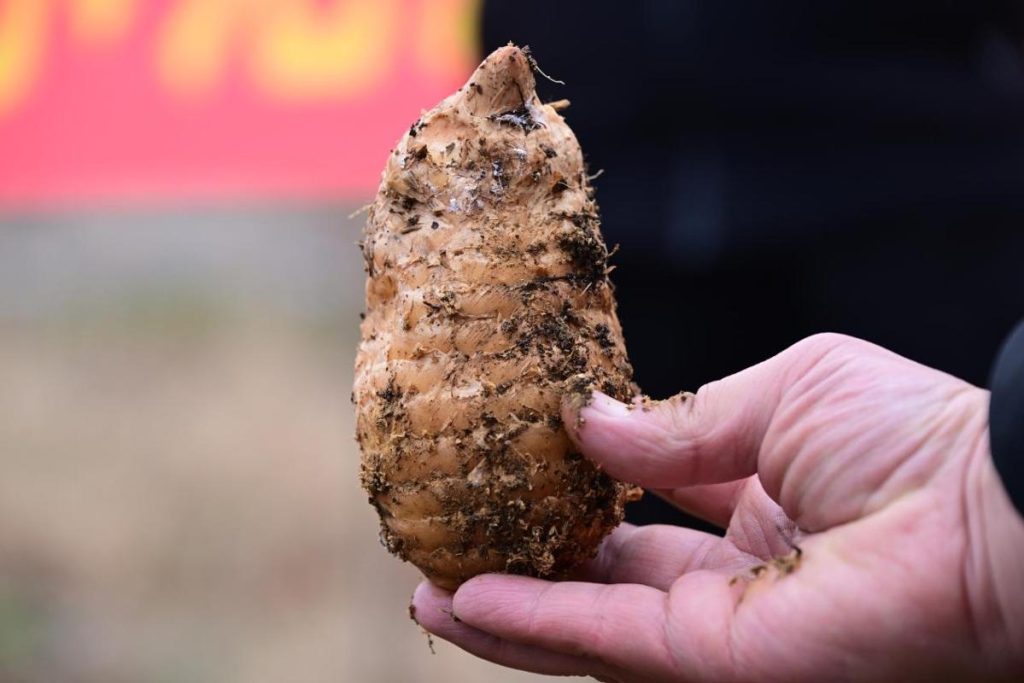
3. Unified Planting Specifications Governed by GI Rules
All plots within the geographical indication herb base follow unified origin standards to ensure stable quality of GI gastrodia:
- Unified germplasm control: Popularize exclusive improved varieties Zhaowu No.1 and Zhaohong No.1; ban foreign hybrid seedlings to avoid germplasm mutation.
- Prioritize under-forest wild-simulated planting mode: Replace greenhouse intensive cultivation with bionic under-forest planting, prohibit overuse of chemical fertilizers and banned pesticides to retain the natural medicinal properties of Daodi gastrodia.
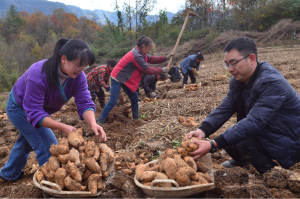
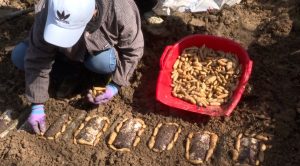
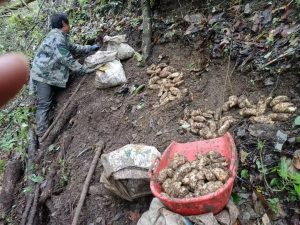
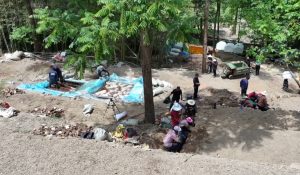
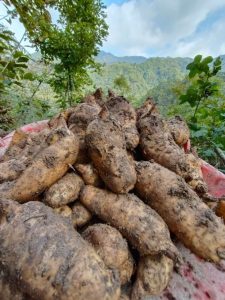
- Unified harvesting and processing standards: Implement a 2–3 year growth cycle before harvesting; adopt low-temperature drying and low-sulfur processing to strictly control sulfur residue.
- Full-chain traceability management: Each batch of GI gastrodia is attached with a dedicated QR traceability code, covering seedling sources, planting archives, inspection reports and processing records, realizing traceability from forest land to sales terminals.
4. Base Scale & Industrial Value
The total planting area of Zhaotong GI-certified gastrodia reaches 115,700 mu, among which standardized GI demonstration bases cover more than 18,000 mu, distributed across 7 counties and districts of Zhaotong.
Adopt the operation mode of Leading Enterprise + GI Herb Base + Cooperatives + Farmers. The local government uniformly manages GI trademark authorization and purchases qualified gastrodia at guaranteed prices in accordance with origin standards, driving over 100,000 mountain households to participate in the gastrodia industry and realize coordinated development of ecological protection and farmers’ income growth.
Benefiting from the premium effect of geographical indication brand, Zhaotong gastrodia holds independent import and export qualifications, selling well nationwide and exported to Southeast Asia, Japan and European markets.
5. Core Functions of the GI Herb Base
- Brand protection: National geographical indication protection defines legal origin boundaries, effectively cracking down on counterfeit gastrodia impersonating Zhaotong origin products and protecting the brand value of authentic Zhaotong gastrodia.
- Quality stabilization: Unified GI production standards fix the high-quality characteristic of high gastrodin content for Zhaotong gastrodia, gaining wide recognition from pharmaceutical manufacturers and organic health product markets.
- Demonstration value: Combine GI intellectual property protection with under-forest ecological planting, forming a replicable development model for GI Daodi medicinal herbs in alpine mountainous areas of Southwest China.
Conclusion
After obtaining national geographical indication protection in 2004, Zhaotong built standardized geographical indication herb bases for gastrodia constrained by origin scope and production specifications. Relying on the exclusive alpine terroir of the Wumeng Mountains and standardized ecological planting technology, the base inherits the medicinal quality of Yunnan Daodi gastrodia and grows into a landmark geographical medicinal herb base in Southwest China.
Interesting to see how geographical indication protection helps preserve the authenticity of Zhaotong gastrodia. The Wumeng Mountains must offer unique conditions for growing this herb. It’s great that the base follows standardized practices from planting to processing—this kind of traceability really matters for traditional medicine quality. I’d love to visit