
Dong Quai (Angelica sinensis) is a traditional herbal option for mild vaginal dryness most commonly linked to perimenopause, menopause, or post‑childbirth blood deficiency. It does not act as a direct local lubricant, but improves vaginal mucosal condition through systemic circulation and receptor‑modulating effects.
Core Mechanisms
- Weak selective estrogen‑receptor interaction Dong quai does not raise circulating blood estrogen levels. Its phytoestrogen‑like constituents bind to estrogen receptors on vaginal mucosal cells. When endogenous estrogen drops, this mild tissue‑level activity supports mucosal thickness, cell vitality and natural secretory function.
- Enhance pelvic local microcirculation Ligustilide improves blood perfusion to pelvic tissues including vaginal walls. Good blood flow is essential for mucosal moisture, elasticity and tissue repair. Poor local circulation worsens dryness, thinning and discomfort during intimacy.
- TCM blood‑yin nourishing action Vaginal dryness often corresponds to blood‑yin deficiency: depleted body fluids lead to dry mucous membranes, dry skin and accompanying hot flashes. Dong quai tonifies blood, helps restore body fluid distribution to mucosal tissues.
- Reduce low‑grade local inflammation Chronic mild inflammation aggravates vaginal irritation and dry feeling. Dong quai’s anti‑inflammatory compounds ease mucosal sensitivity.
Suitable Profiles
✅ Best‑responding scenarios
- Mild‑to‑moderate vaginal dryness from perimenopause / menopause hormone decline, paired with hot flashes, night sweats or fatigue.
- Vaginal dryness after childbirth, caused by postpartum blood loss.
- Dryness accompanied by other blood‑deficiency signs: dizziness, pale complexion, dry skin.
❌ Limited‑effect or avoid scenarios
- Severe vaginal atrophy: dong quai oral use cannot replace prescription vaginal estrogen therapy.
- Dryness caused by infection, yeast or bacterial vaginitis: requires targeted medical treatment.
- Dryness triggered by medications such as anti‑depressants or antihistamines: root pharmaceutical cause cannot be reversed by dong quai.
- Estrogen‑sensitive conditions (breast cancer history, endometrial hyperplasia): self‑medication is not allowed.
Important note: Dong quai discussed here refers to oral ingestion. It is not recommended to place raw dong quai directly inside the vagina; raw herb may trigger irritation, burning or bacterial infection.
Practical Usage Protocol
For women still having perimenopausal cycles: follow phase‑based cyclic intake.
For women with no periods: use on‑off cycling to avoid continuous daily long‑term use.
1. Herbal Tea
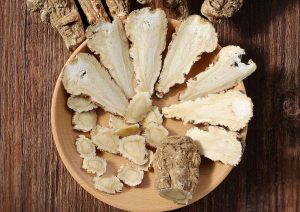
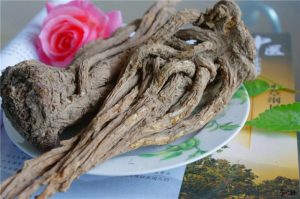
- Dong quai 2‑3 g dried slices
- Hot‑water steep 12‑15 minutes, once daily
- Cycle for post‑menopausal users: take 14 days, pause 7 days, repeat.
2. Nourishing soup (preferred for blood‑yin deficiency)
Dong quai 3‑4 g + wolfberry + white peony root, stew with chicken or bone broth, 1‑2 times per week.
Synergistic herbal combinations
- Vaginal dryness plus hot flashes & night sweats: Dong quai + Lily bulb
- Dryness with fatigue: Dong quai + Astragalus
Complementary Lifestyle Tip
Oral dong quai works from inside. Pair with external water‑based intimate lubricant for immediate symptomatic relief during intercourse.
Contraindications & Safety Warnings
- Avoid if you have personal or family history of estrogen‑sensitive cancers, large uterine fibroids, endometrial hyperplasia. Consult a healthcare provider before use.
- Anticoagulants (warfarin, aspirin): avoid dong quai due to bleeding risk.
- Concurrent hormone replacement therapy: seek medical advice before combining.
- Chronic diarrhea: dong quai has mild laxative property; use cooked soup form and lower dosage.
- If vaginal dryness comes with abnormal discharge, itching or burning, complete gynecological exam to rule out infection.
Expected Timeline
Vaginal mucosal improvement is slow. Visible changes in moisture and comfort usually appear after 8‑12 weeks of consistent cyclic oral use. It delivers gradual systemic support, not instant relief.
Summary
Oral Dong quai improves mild vaginal dryness in perimenopausal, menopausal or postpartum women by boosting pelvic circulation and providing mild estrogen‑receptor activity. It cannot treat severe atrophy or vaginal infection. Never insert raw dong quai into vagina. Cyclic oral administration is recommended. Combine with lubricant for immediate comfort.
¡Muy interesante! No sabía que el Dong Quai actuaba de forma sistémica y no como lubricante local. Me alegra saber que hay opciones naturales para la sequedad en la perimenopausia, aunque siempre con cautela y consultando al médico. Gracias por explicar los mecanismos, ayuda mucho a entender cómo funciona.
Interesting read! I tried Dong Quai a few years ago for mild dryness during perimenopause, and while it wasn’t a miracle cure, I did notice some improvement after a couple of months. Definitely not a quick fix like a lubricant, but it felt gentler and more holistic. Nice to see the science behind it explained so clearly.