
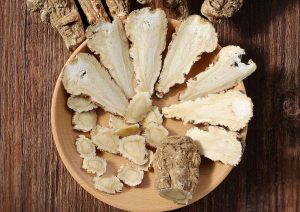
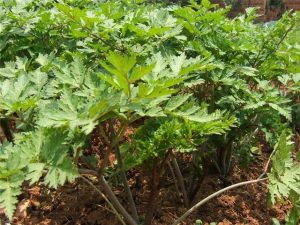
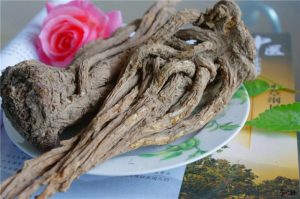
Dong Quai (Angelica sinensis) is frequently used in traditional herbal protocols to manage mild to moderate endometriosis‑related discomfort. Critical upfront note: Dong quai cannot cure endometriosis. It offers symptomatic relief and may help modulate pelvic congestion; it does not eliminate endometrial implants. Usage requires careful pattern differentiation, because improper dosing or timing can worsen symptoms for some sufferers.
Core Mechanisms
- Improve pelvic microcirculation and dissipate blood stasis Endometriosis in TCM is primarily classified as chronic blood stasis. Implanted tissue triggers local congestion, inflammation, adhesions and trapped blood. Ligustilide enhances pelvic blood flow, reduces static blood buildup, eases pressure on pelvic nerves and lessens dysmenorrhea.
- Antispasmodic action on uterine smooth muscle It regulates excessive, painful uterine spasms that drive severe menstrual cramping, back pain and referred pelvic pain common with endometriosis.
- Modulate inflammatory mediators Chronic local inflammation fuels endometriosis pain, swelling and adhesion formation. Active compounds lower prostaglandin and inflammatory signalling that amplify cramping and pelvic tenderness.
- Nourish blood to offset depletion from heavy periods Many endometriosis patients experience heavy, prolonged menstruation leading to blood deficiency, fatigue and anemia. Dong quai replenishes blood while moving stagnation.
Key biochemical caution: Dong quai contains weak phytoestrogen‑like constituents. Endometriosis lesions are estrogen‑sensitive. This creates clinical debate: for some patients mild circulation support reduces congestion, while excess estrogenic stimulation could theoretically encourage lesion activity. This is why cyclic, phase‑restricted intake is mandatory; continuous daily use is discouraged.
Suitable Symptom Profiles
✅ Cases most likely to gain relief
- Severe premenstrual and menstrual pelvic cramping, dark menstrual blood with large clots. Pain often improves slightly after clot discharge.
- Chronic dull pelvic ache, lower back pain, dyspareunia (pain during intercourse) from pelvic congestion.
- Scanty or irregular cycles combined with stasis; or heavy clotty periods with persistent fatigue/anemia.
- Bloating, premenstrual breast tenderness linked to stagnation.
❌ Situations to exercise extreme caution or avoid
- Constant heavy bright‑red menstrual bleeding without clots: blood‑moving effects may increase flow and anemia risk.
- Rapidly progressing endometriosis, large endometriomas (ovarian chocolate cysts): work with a reproductive specialist; do not rely solely on herbs.
- Estrogen‑dependent tumour history.
- Active trying to conceive with suspected endometriosis: consult a herbalist before use; pause after ovulation.
- Suspected adenomyosis with relentless heavy bleeding.
Phase‑Aligned Usage Protocol for Endometriosis
Avoid all‑month continuous supplementation — the most important safety rule for estrogen‑sensitive endometriosis tissue.
1. Follicular Phase (after period ends up until ovulation)
Dong quai 2 g daily (tea or soup)
Goal: improve pelvic circulation, nourish blood, reduce chronic congestion; lowest risk window.
2. Ovulation through Luteal Phase
Reduce dose to 1–1.5 g every other day OR fully discontinue.
The luteal phase brings rising endogenous hormones; limit additional phytoestrogen exposure that could stimulate implants.
3. Menstruation
- If flow is scanty, dark, clot‑heavy: maximum 1.5 g daily for first 1–2 days only, to dispel stasis.
- If flow is heavy: STOP dong quai completely during menstruation.
Recommended synergistic herbal blends for endometriosis pain
- Severe menstrual cramping, pelvic stasis: Dong quai + Corydalis + White Peony
- Pain + premenstrual mood swings & bloating: Dong quai + Rose + Cyperus rotundus
- Fatigue/anemia from repeated heavy loss: Dong quai + Astragalus
Contraindications & Vital Safety Warnings
- Do not replace standard gynecological monitoring. Dong quai only relieves symptoms; it cannot dissolve endometriomas or eliminate ectopic endometrial tissue.
- If you notice worsening pelvic pain, heavier bleeding after starting dong quai, discontinue immediately.
- Anticoagulant medication (warfarin, high-dose aspirin): avoid due to elevated bleeding risk.
- Pregnancy is strictly forbidden.
- Chronic diarrhea: dong quai has mild laxative effects; prefer cooked soup preparations.
- Anyone undergoing hormonal treatment for endometriosis (progestins, GnRH agonists): consult your doctor before combining herbal therapy.
Expected Timeline
Reduction in menstrual cramping and pelvic bloating may be observed after 2–3 consecutive cycles of cyclic use. Improvement in chronic baseline pelvic discomfort usually requires 3–6 months of consistent, phase‑controlled supplementation. Results vary significantly between individuals.
Summary
Dong quai can ease endometriosis‑related dysmenorrhea, pelvic congestion and clotty menstrual symptoms in patients presenting with blood stasis and blood deficiency. Due to theoretical estrogen sensitivity of endometrial implants, it must be used cyclically and restricted mainly to the follicular phase. Cease during heavy menstruation. It is supportive adjunct care, not a cure for endometriosis.

This is such an important reminder that “natural” doesn’t mean “harmless.” I’ve seen so many women in support groups treat Dong Qu
I’ve tried Dong Quai for my mild endometriosis pain, and it did help with the cramping, but I totally agree it’s not a cure. The part about dosing and pattern differentiation is so important—I learned that
यह लेख बहुत जानकारीपूर्ण है। धन्यवाद! मैंने भी डोंग क्वाई के बारे में सुना था, पर यह स्पष्ट करने के लिए धन्यवाद कि यह इलाज नहीं है, सिर्फ आराम दे सकता है। खासकर डोज़ और शरीर की प्रकृति का ध