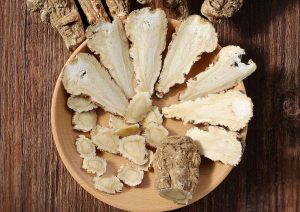
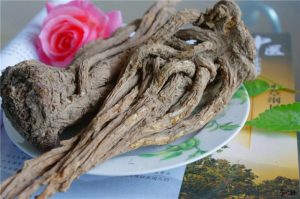
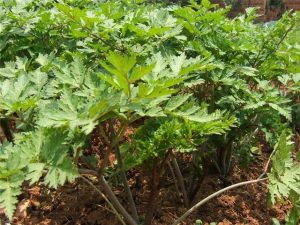
Dong Quai (Angelica sinensis) is a staple herb for traditional postpartum confinement care. After childbirth, women commonly suffer blood deficiency and residual uterine blood stasis. Dong quai tonifies blood while activating circulation, supporting uterine involution and recovery — yet timing and dosage are critical; improper use can trigger excessive lochial bleeding.
Core Mechanisms
- Resolve residual blood stasis & support uterine involution Ligustilide improves pelvic blood flow, helps expel lingering lochia, reduces uterine congestion and cramping (afterpains). It assists the uterus in contracting back to its pre-pregnancy size.
- Replenish lost blood (postpartum blood deficiency) Childbirth causes substantial blood loss, leading to fatigue, dizziness, pale complexion, palpitations, dry skin, low milk supply linked to insufficient blood-qi. Dong quai nourishes blood to reverse deficiency.
- Relieve postpartum spasms and pelvic discomfort Gentle antispasmodic action eases persistent lower abdominal aching, secondary to uterine stretching and stagnation after delivery.
- Improve emotional fragility Blood deficiency and hormonal shifts often trigger postpartum mood lability. By nourishing blood and soothing constrained liver qi, it may reduce irritability, tearfulness and insomnia.
Suitable Postpartum Presentations
✅ Best responding cases
- Slow uterine recovery, lingering dark, clotty lochia; uncomfortable afterpains.
- Marked fatigue, dizziness, pale lips and nails, weakness from blood loss.
- Postpartum joint soreness, cold limbs caused by insufficient blood nourishment.
- Mild low milk supply associated with blood deficiency.
❌ Situations to avoid dong quai
- Heavy, bright-red lochia without clots. Blood-moving effects may worsen bleeding and prolong lochial discharge.
- Postpartum fever, infection, inflammation. Seek medical care first.
- Postpartum hypertension complicated with bleeding tendency.
- Diarrhea: dong quai carries mild laxative properties.
Critical Timing Principle
Do NOT start dong quai immediately after delivery.
Most traditional and modern herbal guidance recommends waiting:
- Vaginal birth: wait 7–10 days postpartum, once initial heavy bright-red lochia subsides and discharge turns brown/dark with clots.
- Cesarean section: wait 10–14 days postpartum, to avoid increasing surgical wound bleeding risk.
If lochia remains heavy and bright red, delay further.
Recommended Usage Protocol
Basic Dosage
Dong quai 2–3 g daily, primarily taken via stewed soups (gentler than raw tea infusion).
Cycle: use continuously for 7–10 days, then pause and assess lochia. Stop immediately if bleeding increases.
Classic Postpartum Recipes
- Dong quai red date chicken soup (blood deficiency, fatigue) Dong quai 3 g + red jujubes + chicken. Nourishes blood, boosts energy.
- Dong quai ginger soup (lingering lochia, cold abdomen, afterpains) Dong quai 2.5 g + fresh ginger. Promotes stasis expulsion and warms the lower jiao.
- Dong quai + astragalus soup (severe weakness, low stamina) Dong quai + astragalus tonifies both qi and blood, ideal for prolonged fatigue.
Breastfeeding Considerations
Limited rigorous human clinical data on dong quai passing into breast milk.
For short-term, moderate-dose soup consumption in late postpartum, it is widely used in traditional confinement practice.
Best practice:
- Avoid high daily doses; stick to soup form rather than concentrated extracts.
- Discontinue if infant develops loose stools, fussiness, or feeding changes.
- Consult your obstetrician/lactation consultant before regular use.
Contraindications & Safety Warnings
- Early postpartum phase (first week) with heavy bleeding: strictly avoid.
- History of bleeding disorders or taking anticoagulant medication.
- Stop dong quai instantly if lochia volume surges or fresh red bleeding reappears.
- Do not combine with other strong blood-moving herbs without professional guidance.
- It is complementary support, not replacement for standard postpartum medical follow-up. Seek care for fever, foul-smelling lochia or severe pelvic pain.
Expected Timeline
After starting appropriate timed supplementation:
- Gradual relief of persistent uterine cramping within 3–5 days.
- Improved energy levels, less dizziness generally seen after 7–10 days of consistent use.
Summary
Dong quai aids postpartum recovery for women with residual blood stasis and blood deficiency: slow uterine involution, clotty lingering lochia, afterpains and persistent fatigue. Delay initiation until initial heavy bleeding eases. Cease use if lochia becomes heavier. Prefer cooked soup preparations, and monitor breastfed infants for digestive upset.