
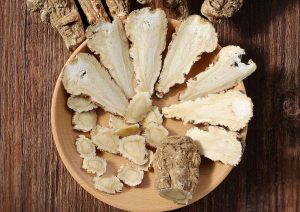
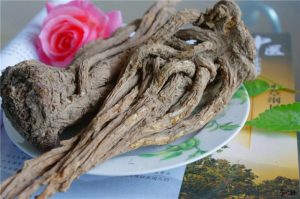
Dong quai may support fertility for women with blood deficiency and pelvic blood stasis patterns, but it is NOT a fertility miracle herb. It cannot treat all infertility causes, and incorrect timing can negatively impact implantation. Strict phase-controlled dosing is critical when trying to conceive.
Core Mechanisms
- Improve ovarian and uterine pelvic circulation In TCM, poor pelvic blood stagnation restricts nutrient delivery to ovaries, hinders follicle maturation, and creates an unfavourable uterine environment for implantation. Ligustilide enhances microcirculation, easing congestion and supporting healthy follicular development.
- Tonify blood to correct constitutional depletion Many women struggling to conceive have a background of chronic fatigue, anemia, cold hands & feet, and scanty/delayed clotty periods from ongoing blood loss. Dong quai builds blood reserves to create a nourishing internal foundation for conception.
- Regulate irregular menstrual cycles & support ovulation Irregular, anovulatory cycles are a common barrier to pregnancy. Dong quai balances neuroendocrine signalling, encouraging more consistent ovulation and predictable cycle timing for those with blood stasis and deficiency.
- Reduce chronic pelvic inflammation & spasms Mild chronic pelvic congestion (often linked with mild endometriosis or functional ovarian cysts) creates pelvic discomfort and interferes with fertility. Dong quai lowers inflammatory prostaglandins and relieves uterine/ovarian cramping.
⚠️ Major fertility safety caveat:
Dong quai carries mild phytoestrogen activity. After ovulation (luteal phase), the body relies on stable progesterone to prepare the endometrium for implantation. Continuous dong quai intake in the luteal phase may disrupt hormone balance and implantation potential. This is the most important rule for TTC users.
Who is most likely to benefit
✅ Suitable candidates
- Irregular, delayed cycles, scanty dark menstrual flow with clots, painful periods.
- TTC alongside mild functional ovarian cysts, pelvic congestion, history of blood loss anemia.
- Cold lower abdomen, chronically cold hands and feet, fatigue linked to blood deficiency.
- Unexplained infertility associated with confirmed poor peripheral/pelvic circulation.
❌ Situations to avoid or consult a fertility herbalist first
- PCOS with dominant high androgens, insulin resistance: Dong quai alone is insufficient and needs a custom herbal formula.
- Ovarian endometriomas (chocolate cysts): estrogen-sensitive; low-dose follicular-phase-only use under supervision.
- Heavy, continuous bright-red menstrual bleeding. Its blood-moving action can worsen flow and anemia.
- Diagnosed blocked fallopian tubes, severe male factor infertility, diminished ovarian reserve (DOR) requiring specialised medical treatment.
- Once pregnancy is confirmed: Dong quai must be stopped immediately — it carries risk of uterine stimulation.
Strict Phase-Aligned Protocol for Women Trying to Conceive
DO NOT take dong quai all month long.
- Follicular Phase (From day 1 after menstruation ends → Ovulation day) Dong quai: 1.5–2 g daily (soup form preferred) Goal: boost ovarian circulation, support follicle growth. Safe window.
- After Ovulation (Luteal Phase until your next period or positive pregnancy test)PAUSE dong quai completely. Avoid any potential disruption to implantation and corpus luteum function. Resume only once your next menstruation begins.
- Menstruation
- Scanty, dark, clot-heavy flow: maximum 1.5 g for first 1–2 days only.
- Moderate / heavy bleeding: Stop entirely during menses.
Important Guidelines for TTC
- Stop dong quai right away if you receive a positive pregnancy test.
- If using fertility drugs, ovulation induction or progesterone supplements, inform your fertility doctor before using dong quai.
- Dong quai works best combined with qi tonics such as astragalus for fertility support.
Common Herbal Pairings for Fertility
- Infertility + irregular cycles, blood deficiency: Dong quai + Astragalus
- Infertility + pelvic pain, blood stasis: Dong quai + White Peony Root + Corydalis
Contraindications & Safety Warnings
- Avoid anticoagulant medication (warfarin, regular high-dose aspirin) due to increased bleeding risk.
- Those prone to loose stools should use lower doses and slow-cooked herbal soups.
- If you experience new spotting, pelvic cramping after starting use, discontinue immediately.
- Dong quai is complementary support, not a replacement for fertility testing and assisted reproductive care (IUI/IVF) when medically required.
Expected Timeline
Improved menstrual flow quality and less pelvic cramping often show within 2–3 cycles.
For conception outcomes, consistent cyclic use over 3–6 menstrual cycles is typically needed alongside a healthy lifestyle. Results vary heavily based on the root cause of infertility.
Summary
Dong quai supports fertility for women trying to conceive with blood deficiency and pelvic blood stasis (irregular, painful clotty cycles, poor ovarian circulation). It must only be consumed in the follicular phase and stopped post-ovulation to protect implantation. It cannot resolve every cause of infertility and requires careful body monitoring.



Merci
Interesting read! I’ve seen dong quai recommended in some TCM groups, but nobody ever mentions the timing issue. Makes sense that it could mess with implantation if taken at the wrong phase. Almost tried it blindly – glad I did more research first. Curious how doctors track the exact phase for dosing?
مقال رائع ومتوازن! من المهم جداً أن نفهم أن الأعشاب ليست حلًا سحريًا، والتوقيت الصحيح للجرعات يلعب دورًا حاسمًا فعلاً. شكرًا على التوضيح العلمي الدقيق، فهذه المعلومات تفيد كثيرًا من يبحث عن حلول طبيعية دون وعي كافٍ بالمخاطر.
Great article, very balanced! So many people treat Dong Quai like a magic bullet, so it’s refreshing to read about the importance of timing and proper diagnosis. The point about incorrect phases hurting implantation is something I wish more TCM books highlighted. Curious if you have a