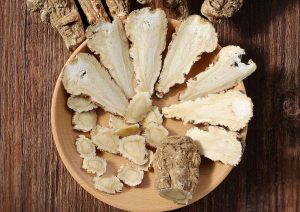
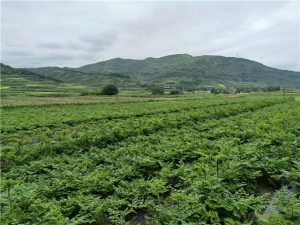
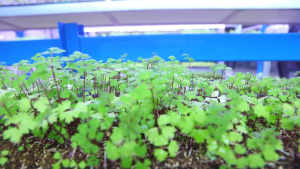
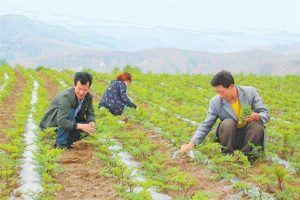
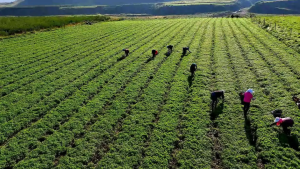
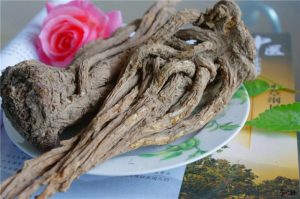
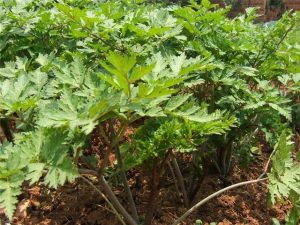
Dong Quai (Angelica sinensis) is one of the most prominent fertility-support botanicals in traditional herbal medicine. It improves fertility potential by optimising menstrual function, pelvic circulation and ovarian environment, yet it is not a universal fertility herb and can be harmful in certain scenarios, especially once conception occurs.
Core Mechanisms
- Boost ovarian and uterine blood perfusion Ligustilide improves microcirculation to the ovaries and endometrium. Healthy blood supply supports follicle maturation, encourages healthy ovulation, and promotes adequate endometrial growth — critical for embryo implantation. Poor pelvic congestion and stagnated blood flow are common barriers to conception.
- Nourish blood for blood‑deficiency infertility In TCM, insufficient blood prevents the uterus from building a receptive lining. Typical signs: delayed, scanty pale periods, fatigue, pale complexion, dizziness. Dong quai tonifies blood to create a nourishing uterine environment for implantation.
- Resolve blood stasis blocking conception Stagnant blood causes blocked pelvic circulation, dark clotty menstruation, lower abdominal cramping. Stasis may contribute to mild endometriosis tendencies or poor uterine clearance. Dong quai activates blood flow to remove stagnation.
- Regulate the HPO axis indirectly By easing stress‑driven liver‑qi stagnation, dong quai reduces hormonal chaos triggered by chronic anxiety, stabilising erratic ovulation cycles that hinder pregnancy.
Critical distinction: Dong quai is fertility support for cycle preparation, it does not directly trigger ovulation. It optimises the body’s native hormone environment rather than forcing ovulation.
Fertility Profiles Most Likely to Benefit
✅ Good candidates for dong quai preconception support
- Irregular cycles: delayed menstruation, long cycles (>35 days), scanty flow with dark clots.
- Mild pelvic cramping, PMS bloating, breast tenderness before periods.
- History of fatigue, post‑illness or post‑partum blood loss.
- Stress‑related cycle disruption and inconsistent ovulation.
- Thin endometrium linked to poor circulation and blood deficiency (confirmed via ultrasound).
❌ Cases where dong quai is ineffective or risky
- Confirmed pregnancy — ABSOLUTELY FORBIDDEN. Dong quai’s blood‑moving activity carries theoretical risk of stimulating uterine contraction. Stop immediately once you suspect conception.
- Heavy menstrual bleeding, prolonged periods. Blood‑activating effects may worsen loss and anemia.
- Severe PCOS with high androgens: cannot lower testosterone; only auxiliary support under professional guidance.
- Structural infertility: blocked fallopian tubes, large fibroids, severe endometriosis, Asherman syndrome (intrauterine adhesions). Herbs cannot reverse physical blockages.
- Estrogen‑sensitive tumours (breast cancer history).
Phase‑Specific Fertility Protocol (Preconception Only)
Golden rule: Cease all dong quai immediately upon positive pregnancy test.
Follow strict menstrual‑phase cycling; do not take continuously all month.
1. Follicular Phase (Day 1 after period ends → ovulation)
Primary conditioning window
Dong quai 2.5–3 g daily (tea or soup)
Goal: Nourish blood, support follicle growth, build endometrium.
2. Ovulation window
Reduce dosage to 2 g every other day, or pause entirely. Avoid overstimulation that could cause mid‑cycle spotting.
3. Luteal Phase (after ovulation until next period)
Low dose only (1.5–2 g daily), or discontinue.
If you are actively trying to conceive, many herbalists recommend pausing dong quai post‑ovulation to eliminate any risk if implantation occurs.
Safer practice for TTC women: stop dong quai after ovulation begins; resume again once menstruation arrives.
4. Menstruation
- Scanty, clot‑heavy flow: tiny dose 1.5 g max for first 1–2 days only
- Moderate/heavy flow: fully stop dong quai during bleeding.
Classic Fertility Herbal Combinations
- Blood deficiency infertility (scanty delayed periods): Dong Quai + Astragalus (Danggui Buxue Tang)
- Cold & blood stasis, painful periods trying to conceive: Dong Quai + Ginger + Chinese jujube
- Stress-related irregular ovulation: Dong Quai + Rose + White Peony
Contraindications & Vital Safety Warnings
- Discontinue immediately when pregnancy is suspected. Do not use during any trimester.
- Avoid blood thinners (warfarin, regular high-dose aspirin) alongside dong quai; elevated bleeding risk.
- If you experience mid-cycle spotting while taking dong quai, reduce dosage or pause.
- Couples struggling to conceive longer than 12 months (6 months if age >35): complete formal fertility testing (ovulation tracking, sperm analysis, pelvic ultrasound) — herbal support cannot replace reproductive medical care.
- Chronic diarrhoea: dong quai has mild laxative action; use cooked soup preparations.
Expected Timeline for Fertility Support
Fertility conditioning requires multiple cycles.
Cycle regularity, reduced cramping and improved menstrual volume often improve within 2–3 cycles.
Allow 3–6 consecutive cycles of consistent phase-aligned use to assess impact on conception chances. Results vary widely based on underlying cause of infertility.
Summary
Dong quai supports female fertility for women with blood deficiency and blood stasis: irregular delayed cycles, scanty clotty menstruation, poor pelvic circulation and thin endometrium. Use strictly in follicular phase pre‑ovulation; pause after ovulation when trying to conceive. Stop at once if pregnancy occurs. It cannot resolve structural infertility or severe hormonal disorders.