
True dong quai IS Angelica sinensis root.
But confusion happens because the word “angelica” refers to many different plants — not every angelica root is dong quai.
1. Proper botanical name breakdown
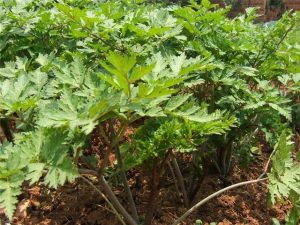
- Dong quai = Angelica sinensis Common names: Chinese angelica, tangkuei, danggui This is the herb we normally mean when talking about women’s hormone support, menopause, period care.
Other plants in the Angelica genus are also sold as “angelica root”:
- Angelica archangelica — European Angelica / Garden Angelica
- Angelica dahurica — Bai Zhi (Chinese angelica, white angelica)
- Angelica pubescens (Du Huo)
These are different species, different properties.
Key Differences to watch when buying herbs
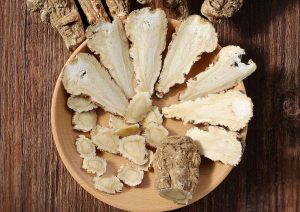
✅ Dong Quai (Angelica sinensis)
- Primary species: Angelica sinensis
- Traditional Chinese blood tonic
- Main uses: balance cycles, pelvic circulation, perimenopause symptoms, blood deficiency
- Flavour: sweet, earthy, mild bitter
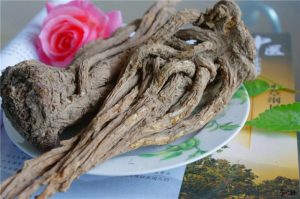
- The slices are thick, yellowish-brown with visible ring cross-section
❌ Don’t confuse with European Angelica (Angelica archangelica)
Often labelled simply “angelica root” in Western shops:
- Strong digestive stimulant
- Used for gas, indigestion, respiratory complaints
- Not a replacement for dong quai; cannot be used for menopause or period support.
Common shopping trap
Many suppliers shorten the name:
- Correct full name: Dried Angelica sinensis (dong quai) If the package only says “Angelica Root” without sinensis, check the Latin name! If it lists Angelica archangelica, it is NOT dong quai.
Simple Rule of Thumb
- If the Latin name = Angelica sinensis → that is dong quai
- If it says Angelica archangelica or no species listed at all — it is likely European angelica and not dong quai.
Summary Cheat Sheet
- Dong quai = Angelica sinensis (Chinese angelica)
- “Angelica root” is a broader term that can mean multiple Angelica varieties.
FAQ
Q: Can I substitute European angelica root instead of dong quai?
A: No. Their active chemicals (ligustilide proportions) differ, therapeutic effects do not match. It will not work for hormone, menstrual or menopause goals.
Q: Is wild angelica the same as dong quai?
A: Wild angelica usually means Angelica archangelica; still not dong quai unless labelled Angelica sinensis.
Buying tip
When purchasing:
Search for: Dried Danggui / Dong quai slices, Angelica sinensis
Always verify the Latin botanical name to avoid purchasing the wrong herb.
Interessante! Sempre vi “angelica” em vários produtos e fiquei na dúvida se era tudo a mesma coisa. Agora entendi que o dong quai é a *Angelica sinensis*, mas nem toda angelica é dong quai. Isso explica muita confusão. Obrigada por esclarecer a nomenclatura — ajuda muito na hora de escolher um suplemento de qualidade!
That’s super helpful — I’ve been using dong quai for years but never realized
Great breakdown! I’ve seen so many supplements labeled just “angelica root” and assumed they were the same thing. Now I know to always check for *Angelica sinensis* specifically.
I always wondered if “angelica root” on a label meant the