Astragalus root telomeres research has made this traditional Qi tonic one of the most discussed natural botanicals for cellular longevity. Telomeres are protective caps positioned at the ends of every chromosome. They shield DNA from damage during cell division. With each cell replication, telomeres gradually shorten. Once telomeres erode past a critical length, cells stop dividing and enter senescence — a major driver of aging, weakened tissue repair, and increased susceptibility to age-related decline. Chronic stress, inflammation, oxidative damage and poor lifestyle habits drastically speed up telomere attrition. While no natural substance can endlessly reverse telomere loss, emerging research shows bioactive compounds within astragalus support telomere stability and slow excessive shortening, supporting long-term cellular youthfulness.
Traditional Herbal Context: Astragalus Conserves Vital Qi to Sustain Cellular Vitality
From a Traditional Chinese Medicine perspective, accelerated cellular aging stems from persistent Qi depletion. When Qi is insufficient, the body’s self-repair mechanisms weaken, tissue regeneration slows, and signs of premature aging appear.
Astragalus replenishes and preserves Qi, improving circulation, lowering internal oxidative burden, and strengthening the body’s innate repair capacity. Modern telomere research offers a cellular-level explanation for the longevity benefits people have observed with astragalus for centuries.
Scientific Mechanisms: How Astragalus Impacts Telomeres
1. Astragalosides Reduce Oxidative Stress That Erodes Telomeres
Telomere structures are highly vulnerable to free radical damage. Oxidative stress directly accelerates telomere breakdown. Astragalus contains high concentrations of astragalosides and polysaccharides that boost endogenous antioxidant activity. By neutralizing free radicals, astragalus lessens continuous oxidative pressure on chromosome caps and slows unnecessary telomere shortening.
2. Modulates Chronic Inflammation (Inflammaging) Linked to Telomere Atrophy
Persistent low-grade inflammation triggers biological pathways that speed telomere wear. This connection between inflammation and cellular aging is known as inflammaging. Astragalus balances overactive inflammatory signaling. Lower baseline inflammation removes one key trigger that accelerates telomere loss across body cells.
3. Supports Healthy Telomerase Activity
Telomerase is an enzyme responsible for maintaining telomere length. Most normal somatic cells have low telomerase activity. Studies on astragalus extracts indicate certain astragalus compounds can help support balanced telomerase function.
Important clarification: Astragalus does not force uncontrolled telomerase activation. It encourages healthy, regulated enzyme activity to defend telomeres, rather than triggering unregulated cell proliferation.
4. Protects Mitochondrial Function to Reduce Cellular Stress
Damaged mitochondria produce excess free radicals, worsening telomere damage. Astragalus safeguards mitochondrial structure and energy production. Healthier mitochondria create fewer oxidative byproducts, indirectly easing strain on telomeres and slowing cellular senescence.
Who May Seek Astragalus Root for Telomere Support
- Middle-aged adults pursuing proactive longevity strategies
- People experiencing prolonged chronic stress, a known accelerator of telomere shortening
- Individuals recovering from severe illness that elevated systemic oxidative stress
- Anyone aiming to reduce drivers of premature cellular aging alongside lifestyle improvements
Essential Important Limitations & Safety Guidance
- Astragalus cannot reverse advanced telomere shortening. It helps slow accelerated attrition and support protection; it is not a “telomere reset” miracle treatment.
- Research distinction: Many telomere studies use concentrated purified astragaloside extracts, not regular raw astragalus root. Results with whole root supplementation may be milder.
- Long-term safety notes: Individuals with cancer history should consult an oncologist before extended use. The relationship between telomerase activity and cell growth requires careful medical evaluation.
- Avoid during acute fever and active severe infection.
- Cyclic usage protocol: Take daily for 6–8 weeks, pause 1 week to sustain herbal responsiveness.
- Always pair supplementation with adequate sleep, stress management and antioxidant-rich diet for maximum cellular longevity benefits.
How to Use Astragalus for Telomere & Cellular Support
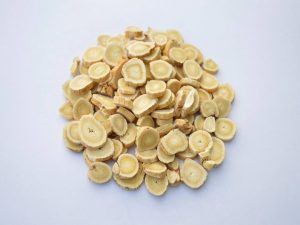
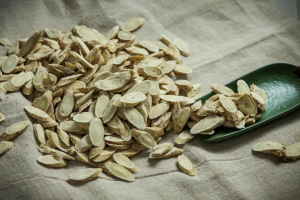
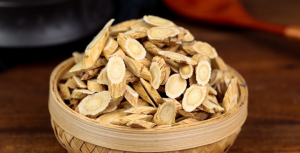
Dried astragalus root decoction delivers broad systemic cellular protection. Standardized capsules with quantified astragaloside content offer consistent daily dosing. Longevity protocols frequently combine astragalus with reishi mushroom, schisandra and amla berry for synergistic antioxidant and anti-senescence effects. Consistency over months is required to support sustained cellular protection.
Final Thoughts
Astragalus root telomeres support targets aging at the fundamental cellular level. By fighting oxidative stress, calming chronic inflammation, supporting balanced telomerase activity and protecting mitochondria, astragalus helps slow excessive telomere erosion and delay premature cellular senescence. As part of a holistic healthy lifestyle, this adaptogenic tonic is a valuable tool for anyone focused on preserving long-term cellular vitality and graceful aging.
Structured FAQ Section
Q1: Does astragalus root lengthen telomeres?
A: Current research primarily shows astragalus and its astragaloside compounds protect telomeres and slow accelerated shortening driven by oxidation and inflammation. Evidence that it actively lengthens already shortened telomeres in human cells remains limited. It works best as preventative cellular support, not a reversal treatment.
Q2: What part of astragalus acts on telomeres?
A: The primary bioactive constituents are astragalosides, especially astragaloside IV. Purified astragaloside extracts are used in most cellular studies. Whole astragalus root contains these compounds in lower, gentler concentrations suitable for daily long-term supplementation.
Q3: Can taking astragalus activate cancer risk via telomerase?
A: This is a critical consideration. Unregulated telomerase activity is linked to cancer cell survival. If you have a personal or family history of cancer, always consult your oncologist before long-term astragalus supplementation. Do not self-supplement without professional guidance.
Q4: How long do I need to take astragalus to support telomere health?
A: Telomere changes progress slowly over years. Visible biological shifts cannot be measured within weeks. Consistent supplementation for multiple months alongside healthy lifestyle habits is required to potentially reduce stress-driven telomere damage. Quick results should not be expected.
Q5: Does stress cancel out astragalus telomere benefits?
A: Severe, ongoing chronic stress creates massive oxidative and inflammatory load that accelerates telomere shortening. Herbal support works best as one piece of a longevity routine. Without sleep improvement and stress reduction, astragalus’ protective effects will be limited.
Q6: Is raw astragalus tea equally effective as standardized capsules for telomere support?
A: Simmered astragalus tea delivers broad wellness benefits, yet astragaloside concentration varies in raw root. Standardized capsules guarantee measurable astragaloside levels. For targeted cellular longevity support, standardized extracts are more reliable, while tea is ideal for gentle daily maintenance.
Q7: Are there other herbs that work well with astragalus for telomere protection?
A: Adaptogens and antioxidants including reishi mushroom, schisandra berry, green tea extract and amla berry complement astragalus. They reduce oxidative stress and inflammation, creating combined support against telomere wear.