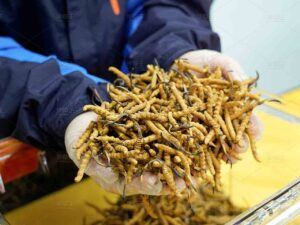
Women frequently deal with hormone fluctuations across menstrual cycles, perimenopause‑menopause, post‑illness depletion, chronic stress‑driven fatigue, and lowered physical stamina. Cultivated Cordyceps militaris, a traditional adaptogenic medicinal mushroom, is widely used in holistic wellness for female vitality.
Important Disclaimer: Cordyceps is complementary holistic support only. It is NOT hormone replacement therapy and cannot replace gynecology, endocrinology or fertility medical care. It will not cure PCOS, endometriosis, infertility, or menopausal disorders. If you experience severe menstrual pain, irregular cycles, infertility, troublesome menopause symptoms, consult a women’s‑health clinician. Most mechanistic findings come from pre‑clinical animal and cell studies; large‑scale human randomized controlled trials remain limited.
Traditional TCM Perspective: Cordyceps for Female Wellness
In Traditional Chinese Medicine, female reproductive health, energy and resilience rely on Kidney Jing (Essence), Kidney Qi and Lung Qi. Kidney Jing is the foundational constitutional reserve governing menstruation, fertility, menopause transition, stamina and recovery from stress or sickness.
Common Kidney‑Jing deficiency patterns in women:
- Persistent fatigue unrelieved by sleep
- Lower‑back soreness, weak knees
- Irregular or scanty menstruation linked to constitutional depletion
- Diminished vitality during perimenopause
- Night‑time urination, slow recovery after illness or childbirth‑related depletion
Cordyceps tonifies both Lung Qi and Kidney Jing. It rebuilds deep constitutional reserves, improves circulation to reproductive tissues and strengthens defensive Wei‑Qi. TCM practitioners note cordyceps works best for depletion‑type imbalances. It is not suitable for women with strong internal‑heat patterns without herbalist guidance. It is not a fast‑acting remedy; improvements unfold over consistent weeks of use.
Key Potential Science‑Backed Benefits for Females
Note: Many mechanisms are observed in pre‑clinical animal / lab research; robust human clinical confirmation is still limited. Cordyceps does not contain phytoestrogens and does not directly raise or lower human estrogen levels.
1. Boost cellular energy & reduce stress‑related persistent fatigue
Cordycepin and polysaccharides enhance mitochondrial ATP production and oxygen utilization. For women dealing with cycle‑linked tiredness, burnout, perimenopause exhaustion or post‑viral depletion, it supports steady, stimulant‑free energy. As an adaptogen, it modulates HPA‑axis function to buffer chronic‑stress‑driven cortisol spikes that drain female vitality.
2. Reproductive & ovarian‑system supportive potential (pre‑clinical)
Animal research indicates cordyceps delivers antioxidant protection for ovarian tissue. It may support follicle health and ovarian reserve in pre‑clinical models. In human practice these benefits are indirect, working by lowering oxidative stress and whole‑body inflammation rather than directly altering sex‑hormone values. It is used as adjunct support for women experiencing depletion‑related fertility challenges, always under fertility‑specialist supervision.
3. Bidirectional immune resilience
Cordyceps polysaccharides modulate NK‑cell, macrophage and cytokine activity. For women under high‑stress workloads, heavy training, or recovering from sickness, it helps restore balanced immune function and reduce susceptibility to frequent mild infections. It is bidirectionally modulating: it supports weak immunity while tempering excessive inflammatory response.
4. Respiratory and physical endurance support
Improved oxygen uptake and tissue perfusion ease breathlessness with exertion. This benefits active women, female athletes and those with low stamina from hormonal shifts or post‑illness weakness.
5. Anti‑oxidant support during perimenopause transition
Estrogen decline raises oxidative‑stress burden in mid‑life women. Pre‑clinical data shows cordycepin neutralizes free radicals and modulates inflammatory pathways linked to perimenopause‑related discomfort. It does not eliminate hot flashes but may improve baseline energy and resilience.
Who May Gain Most From Cordyceps for Female Wellness
These describe functional wellness patterns and are not medical diagnoses. Always seek gynecological lab evaluation for confirmed reproductive disorders.
- Persistent fatigue and burnout caused by long‑term stress, cycle‑related energy dips
- Constitutional depletion after viral sickness, surgery or postpartum recovery (medical clearance required)
- Perimenopausal women struggling with low stamina and stress vulnerability
- Active women and female athletes wanting better exercise endurance and post‑workout recovery
- Women exploring adjunct supportive care for depletion‑related fertility concerns (fertility‑doctor oversight mandatory)
Groups That Will Likely See Minimal Benefit:
- Hormonal conditions driven primarily by insulin resistance without constitutional depletion (untreated PCOS)
- Severe endometriosis, adenomyosis requiring prescription medical treatment
- Psychological‑driven low libido or mood disorders needing mental‑health professional care
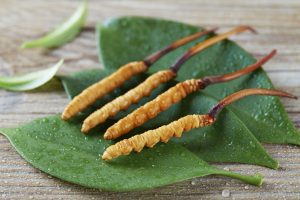
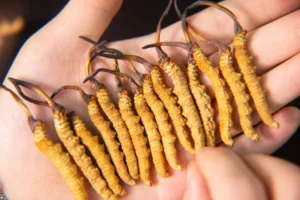
Wild‑Harvested vs Cultivated Cordyceps Comparison for Female Wellness
| Item | Ophiocordyceps sinensis (Wild‑collected caterpillar fungus) | Cultivated Cordyceps militaris |
|---|---|---|
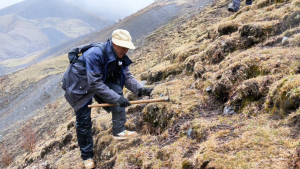
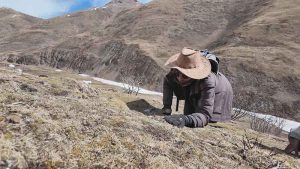
| Traditional reputation | Classic premium Kidney‑Jing tonic for female constitutional depletion | Modern cultivated alternative with matching key bioactive compounds |
| Bioactive consistency | Highly variable quality; high risk of adulteration and heavy‑metal contamination | Controlled indoor cultivation, predictable cordycepin and polysaccharide levels |
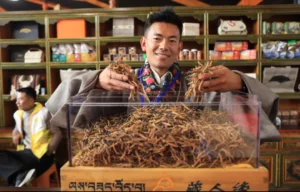
| Price | Prohibitively expensive for daily long‑term supplementation | Affordable for regular everyday wellness use |
| Research base for female health | Mostly older observational TCM records | Growing pre‑clinical animal plus small human studies |
| Practical recommendation | Not recommended for regular daily female wellness supplementation | Preferred choice for women’s vitality support |
Takeaway: Choose lab‑tested cultivated Cordyceps militaris. Wild‑collected sinensis carries contamination risks and is impractical for routine daily use.
Recommended Usage, Dosage & Timing for Women
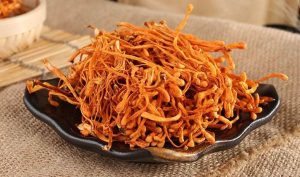
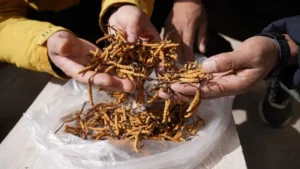
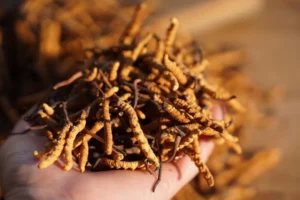
- Forms: Standardized dual‑extract capsules / powder (preferred for consistent bioactives); decoction tea (simmer dried fruiting‑body 15‑20 min).
- Daily dosage for female wellness goals: 1500‑2500 mg standardized Cordyceps militaris extract per adult woman.
- Best timing: Morning or early‑afternoon intake. Some sensitive women experience mild alertness; high doses late evening may interfere with sleep.
- Cyclic protocol: Take daily for 6‑8 weeks, followed by a one‑week rest break. Expect gradual changes; do not expect overnight improvements.
- Synergistic herbal pairings for female wellness:
- cordyceps + astragalus root (tonify Lung‑Spleen‑Kidney Qi for energy and immune resilience)
- cordyceps + schisandra berry (adaptogen for HPA‑axis and antioxidant support)
Critical Safety Guidelines & Contraindications for Women
- Pregnancy and breastfeeding: Avoid cordyceps; insufficient human‑safety data for these stages. Do not self‑supplement postpartum; get OB‑GYN approval before use.
- Anticoagulant / blood‑thinning medications: Cordyceps exhibits mild anti‑platelet activity. If you take warfarin or other blood thinners, require doctor approval before use.
- Autoimmune disease / immunosuppressant drugs / organ‑transplant recipients: Cordyceps is immune‑modulating. Must have specialist clearance; never self‑supplement.
- Pre‑surgery: Discontinue cordyceps two weeks before scheduled surgery due to theoretical bleeding risk.
- Hormone‑sensitive conditions (breast, ovarian conditions, endometriosis): Consult your gynecologist before starting supplementation.
- Diabetes medications: Cordyceps may mildly improve insulin sensitivity. If taking insulin or oral anti‑diabetic drugs, monitor blood‑glucose levels under medical supervision.
- Cordyceps is complementary support only. If you experience abnormal bleeding, severe period pain, infertility or troublesome menopause symptoms, seek formal gynecological evaluation.
Final Thoughts
Cordyceps benefits for female centre on building foundational constitutional vitality, improving mitochondrial energy output, balancing immune function and mitigating stress‑driven depletion. It is not a female‑specific hormone‑altering supplement. Pre‑clinical research shows promising reproductive‑protective signals, but human trial evidence remains limited. Real‑world improvements in stamina, stress resilience and general wellness emerge slowly over weeks of cyclic consistent supplementation. It works best paired with balanced nutrition, adequate sleep, stress‑management practices and regular women’s‑health medical check‑ups. Always select lab‑verified cultivated Cordyceps militaris.
Q1: Does cordyceps balance female estrogen hormones?
A: Cordyceps is not a phytoestrogen herb. It does not directly raise or lower human estrogen. Any wellness benefit is indirect via reduced oxidative stress, better energy and balanced HPA‑axis stress response. It cannot replace hormone‑related medical therapy.
Q2: Can women take cordyceps for perimenopause symptoms?
A: It may improve baseline energy and stress resilience for perimenopausal women with Kidney‑Jing‑deficiency‑type fatigue. It will not directly eliminate hot flashes. For severe vasomotor symptoms consult your gynecologist for standard menopausal care.
Q3: Is cordyceps helpful for female fertility support?
A: Pre‑clinical animal research shows antioxidant protection for ovarian tissue. Human evidence is limited. It may be used only as complementary adjunct support and must be approved by your fertility specialist; it cannot treat infertility on its own.
Q4: Can cordyceps improve low female libido?
A: It may help where reduced sexual desire is rooted in severe fatigue and chronic‑stress‑driven depletion. It is not an aphrodisiac. Libido loss from relationship conflict, depression or primary hormone disorders requires appropriate clinical care.
Q5: Can women safely combine cordyceps with astragalus root?
A: Yes, this is a classic TCM pairing for women’s vitality. Astragalus tonifies Spleen‑Lung Qi, cordyceps tonifies Lung‑Kidney Jing. Morning‑time dosing is recommended to avoid potential sleep disturbance in sensitive users.
Q6: Are there side‑effects for women taking cordyceps?
A: Generally well‑tolerated in healthy adult women. Rare mild digestive bloating or soft stools may occur when first starting. Some sensitive individuals feel alertness from cordyceps, so avoid high‑dose evening intake. Discontinue if mushroom‑related allergic reaction develops.
Q7: Is wild Ophiocordyceps sinensis better than cultivated Cordyceps militaris for women?
A: Not for regular everyday use. Wild sinensis is very costly, frequently adulterated and carries heavy‑metal‑contamination risk. Cultivated militaris delivers the core bioactive polysaccharides and cordycepin and is the practical safe option for female wellness supplementation.