
Weight gain and difficulty losing weight stem from multiple overlapping factors: calorie surplus, insulin resistance, chronic low‑grade inflammation (meta‑inflammation), mitochondrial dysfunction, gut microbiota imbalance, poor physical stamina and stress‑hormone disruption. Online marketing frequently markets Cordyceps militaris as a fat‑burning weight‑loss miracle pill.
Critical Scientific Caveat: There are no large‑scale human randomized controlled trials proving cordyceps alone causes meaningful weight or fat loss in humans. Most promising anti‑obesity data comes from cell culture and high‑fat‑diet rodent experiments. Cordyceps cannot replace calorie‑balanced nutrition, regular exercise and sleep. It functions only as complementary metabolic‑support supplement, not a standalone weight‑loss agent. It will not produce rapid weight reduction.
Important Disclaimer: Cordyceps is wellness‑support supplement, not anti‑obesity medication. It cannot treat clinical obesity, metabolic syndrome or type‑2 diabetes. If you struggle with excess weight, insulin resistance or metabolic disorders, consult a nutritionist and medical provider. Do not discontinue prescribed metabolic medications on your own.
Traditional TCM Perspective: Cordyceps and Metabolic Health
In Traditional Chinese Medicine, stubborn excess weight often ties to Spleen‑Lung‑Kidney deficiency, alongside damp‑phlegm accumulation. Low Kidney Jing and deficient Lung‑Spleen Qi lead to sluggish energy metabolism, water‑damp retention, persistent fatigue, poor exercise tolerance and reduced physical activity.
Cordyceps tonifies Lung Qi and Kidney Jing. It is not a “fat‑burning herb”. Instead, it strengthens constitutional vitality, improves stamina and reduces fatigue so people can better sustain diet and exercise routines. TCM practitioners use it for deficiency‑type overweight, characterised by low energy, post‑exertion exhaustion, lower‑back weakness, edema‑like water retention. It is not suitable for people with strong internal damp‑heat patterns without herbalist guidance.
Modern Pre‑Clinical Mechanisms (Cell & Animal Research Only)
Important: These lab‑observed mechanisms do not guarantee identical outcomes in human bodies.
1. Activate AMPK pathway, inhibit adipocyte formation
AMPK is the master metabolic switch that promotes fat oxidation and suppresses fat‑cell generation. Cordycepin and cordyceps polysaccharides activate AMPK signalling, suppress PPARγ and C/EBPβ transcription factors that drive pre‑adipocyte differentiation into mature fat cells. In lab models, it reduces lipid droplet build‑up inside fat cells and enhances hormone‑sensitive lipase to encourage fat breakdown.
2. Improve insulin sensitivity and reduce hepatic fat accumulation
Rodent studies show cordyceps extracts lower fasting blood glucose, improve glucose tolerance and ease insulin resistance induced by high‑fat diets. It reduces liver lipid build‑up (non‑alcoholic fatty liver phenotype in animal models) and lowers circulating LDL‑cholesterol and triglycerides. Better insulin sensitivity reduces the tendency for excess calories to get stored as body fat.
3. Mitigate meta‑inflammation (chronic low‑grade inflammation from excess adipose tissue)
Fat tissue itself releases pro‑inflammatory cytokines (TNF‑α, IL‑6) that worsen metabolic dysfunction in a vicious cycle. Cordyceps down‑regulates NF‑κB and NLRP3 inflammasome pathways, easing obesity‑linked chronic inflammation which makes fat loss harder.
4. Modulate gut microbiota for metabolic balance
Cordyceps polysaccharides act as prebiotic compounds. In high‑fat‑diet mice, it raises beneficial microbial populations including Akkermansia, increases short‑chain‑fatty‑acid production, and remodels Firmicutes/Bacteroidetes ratio linked to obesity risk. Healthy gut flora improves glucose handling and metabolic signalling.
5. Boost exercise endurance to support calorie expenditure
Cordyceps improves mitochondrial ATP production and oxygen utilisation. Human small trials show it raises ventilatory threshold and exercise stamina. It does not burn fat passively at rest; it helps users sustain longer‑duration workouts, increasing total calorie burn as part of a structured fitness routine.
6. Reduce oxidative stress and support adipose‑tissue health
Excess reactive‑oxygen‑species accelerate fat‑cell senescence. Cordyceps up‑regulates Nrf2 antioxidant defence pathways, protecting metabolic tissues from oxidative damage. In ovariectomised rodent models simulating menopause‑related weight gain, cordyceps supplementation suppressed visceral fat expansion without lowering food intake.
Real‑World Human Expectations
- Cordyceps will not trigger spontaneous weight loss without calorie balance and movement. If diet remains unchanged, users should not expect measurable fat reduction.
- Its greatest practical human value is indirect: better exercise stamina, improved stress resilience, stable energy and potentially better insulin sensitivity, creating conditions that make weight‑management efforts easier.
- No clinical evidence supports cordyceps as appetite‑suppressant. It does not curb hunger signals directly.
Profiles Most Likely To Gain Adjunct Metabolic Support
Functional wellness patterns, not medical diagnoses
- Overweight individuals with persistent fatigue, low exercise tolerance, who struggle to stick to workout routines
- People with borderline insulin‑resistance, metabolic inflexibility and energy crashes after meals
- Perimenopausal / post‑menopausal adults experiencing metabolic slow‑down and visceral‑fat accumulation
- Individuals with stress‑driven metabolic disruption from high cortisol burnout
Groups Where Minimal Weight‑Management Benefit Should Be Expected:
- Severe obesity driven by uncontrolled genetic, endocrine or medication‑related weight gain
- Weight issues mainly stemming from unaddressed emotional overeating without physical‑metabolic depletion
Wild‑Harvested vs Cultivated Cordyceps for Metabolic & Weight‑Management Goals
| Item | Ophiocordyceps sinensis (Wild caterpillar fungus) | Cultivated Cordyceps militaris |
|---|---|---|
| Metabolic‑relevant bioactives | Highly variable cordycepin and polysaccharide content | Controlled indoor cultivation; standardized cordycepin + polysaccharides |
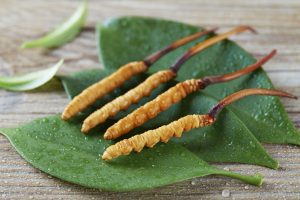
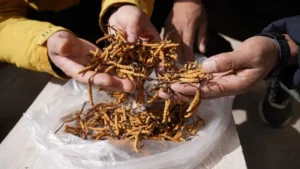
| Quality hazards | High adulteration, heavy‑metal soil contamination risk | Lab‑testable raw material, stable batch‑to‑batch potency |
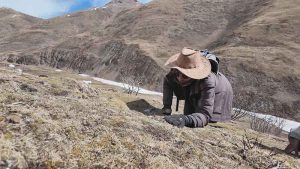
| Cost | Prohibitively expensive for daily long‑term metabolic support | Cost‑effective for cyclic everyday supplementation |
| Research source for metabolism | Mostly traditional observational records | Majority of modern pre‑clinical metabolic studies use Cordyceps militaris |
| Practical recommendation | Not recommended for regular daily intake | Preferred choice for metabolic wellness supplementation |
Market warning: Many “weight‑loss mushroom supplements” contain hidden synthetic metabolic stimulants. Always select third‑party independently‑tested cordyceps products.
Recommended Usage, Dosage & Timing for Metabolic & Weight‑Management Support
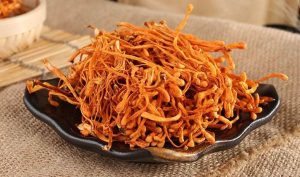
- Forms: Standardized dual‑extract capsules / powder (preferred for consistent bio‑actives); decoction tea (simmer fruiting‑bodies for 15‑20 minutes).
- Daily dosage for metabolic wellness goals: 1500‑2500 mg standardized Cordyceps militaris extract per adult.
- Timing: Morning or early‑afternoon intake. Some sensitive users experience mild alertness; avoid large doses late evening — sleep disruption worsens insulin resistance and weight‑management struggles.
- Cyclic protocol: Take daily for 6‑8 weeks, followed by a 7‑day rest break. Metabolic shifts are gradual. Evaluate progress after 8‑12 weeks alongside diet and exercise tracking. Do not rely on scale weight alone; track energy levels, exercise capacity and waist circumference.
- Synergistic herbal pairings for metabolic support:
- cordyceps + astragalus root: improves energy expenditure, immune resilience and insulin sensitivity
- cordyceps + schisandra berry: reduces stress‑driven cortisol elevation which disrupts metabolism
Critical Safety Guidelines & Contraindications
- Diabetes / blood‑sugar‑lowering medications: Cordyceps may improve insulin sensitivity in pre‑clinical models. If you take insulin or oral anti‑diabetic drugs, monitor blood‑glucose closely under medical supervision to avoid hypoglycemia risk.
- Anticoagulant / anti‑platelet medications: Cordyceps demonstrates mild anti‑platelet activity. Doctor clearance is mandatory before supplementation for people on blood‑thinners.
- Pre‑surgery: Discontinue cordyceps minimum two weeks before scheduled surgery due to theoretical bleeding risk.
- Autoimmune disease / immunosuppressant drugs: Cordyceps is immune‑modulating. Specialist approval required, no self‑supplementation.
- Pregnancy & breastfeeding: Avoid cordyceps, insufficient human‑safety data for these life‑stages.
- Thyroid disorders: Cordyceps is not thyroid medication. If you have hypothyroidism or hyperthyroidism, follow your endocrinologist treatment plan; it cannot replace thyroid‑hormone therapy.
- Supplements are secondary. Calorie balance, protein intake, resistance training, aerobic exercise, adequate sleep and stress management remain the foundational pillars for sustainable weight management.
Final Thoughts
Cordyceps for weight loss draws promising mechanistic signals from cell and rodent research: AMPK activation, fat‑cell differentiation inhibition, improved insulin sensitivity, anti‑inflammatory effects and gut‑microbiota remodelling. Nevertheless, robust human clinical evidence proving standalone weight‑loss effects is absent.
Cultivated Cordyceps militaris works best as adjunct metabolic wellness support. It enhances stamina for workouts, reduces chronic fatigue and may improve metabolic flexibility, helping your diet‑and‑exercise lifestyle work more effectively. It is not magic fat‑burning pill and cannot produce weight loss on its own. Always choose third‑party‑verified cultivated cordyceps, and keep realistic expectations.
Q1: Will taking cordyceps make me lose weight without diet or exercise?
A: No. There is no human clinical evidence cordyceps creates spontaneous weight loss when lifestyle remains unchanged. Pre‑clinical fat‑reducing results are observed in animal models, these findings do not directly translate to human beings. It only supports weight‑management efforts when paired with calorie‑balanced nutrition and physical activity.
Q2: How does cordyceps help with fat loss if it is not a fat burner?
A: It delivers indirect metabolic support: better exercise endurance so you can sustain workouts, improved insulin sensitivity, reduced chronic metabolic inflammation, and lower stress‑related fatigue. These conditions create a more favourable internal environment for body recomposition, but do not burn fat passively.
Q3: Can cordyceps target visceral belly fat?
A: Ovariectomised mouse studies show cordyceps extract suppressed visceral‑fat accumulation in experimental settings There is no human trial confirming reduction of human visceral belly fat. It may support metabolic health linked to visceral fat risk factors, but cannot spot‑reduce belly fat.
Q4: How long should I take cordyceps to see metabolic benefits?
A: Follow cyclic protocol: 6‑8 weeks daily intake, then one‑week rest. Metabolic changes are slow. Track energy, workout performance and waist circumference, not only scale weight. If you observe zero positive shifts after 12 weeks, discontinue supplementation.
Q5: Can I stack cordyceps with astragalus for metabolic and weight‑management support?
A: Yes, this TCM combination supports energy production, stress resilience and metabolic balance. Take in morning hours, avoid evening high‑dose intake for sensitive people to prevent sleep interference.
Q6: Are there side‑effects taking cordyceps for metabolic wellness?
A: Generally well‑tolerated in healthy adults. Rare mild digestive bloating or loose stools may appear when starting. Some sensitive users get heightened alertness if dosed late‑night. Discontinue for mushroom‑related allergic reactions. Diabetics on medication need blood‑glucose monitoring.
Q7: Is wild Ophiocordyceps sinensis superior to cultivated Cordyceps militaris for metabolism and weight‑management goals?
A: No. Wild‑harvested sinensis is extremely expensive, frequently adulterated and carries heavy‑metal contamination risk. Cultivated Cordyceps militaris delivers standardized cordycepin and polysaccharides and is the practical safe option for regular metabolic‑support supplementation.




흔한 다이어트 보조제 과장 광고에 휘둘리지 않으니 다행이네요. 체중 증가 원인이 다양한데 버섯 하나로 해결될 리 없죠. 실제 임상 데이터도 부족하다니, 돈 아끼고 운동하는 게 답인 듯합니다. 좋은 정보 감사합니다.
“Interesting read. It’s refreshing to see a realistic take on Cordyceps instead of the usual miracle-p