
Introduction to Medicinal Food
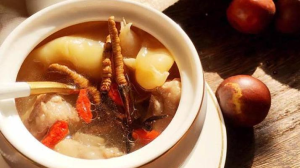
Cordyceps Flower, Fish Maw and Conch Soup is a classic medicinal food originating from Lingnan, blending nourishment with savory flavors. It is carefully simmered with main ingredients of Cordyceps flower (Cordyceps militaris / Chongcaohua), fish maw (Hua Jiao), and conch meat, complemented by lean meat, chicken feet, and other adjuncts. The soup features a golden, clear broth with a rich, sweet, and mellow taste, combining the fungal aroma of mountain delicacies with the savory sweetness of seafood. In the Guangdong-Hong Kong-Macao region, it is often regarded as a seasonal delicacy that supports yin nourishment during autumn and winter and helps maintain internal moisture balance during spring and summer.
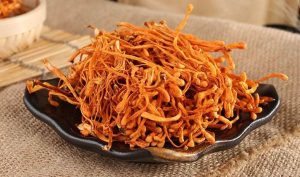
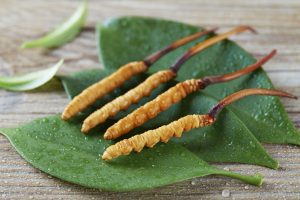
Cordyceps flowers are not the same as natural Cordyceps sinensis (Dongchongxiacao); rather, they are artificially cultivated fruiting bodies of Cordyceps militaris, rich in cordycepin and polysaccharides. Fish maw is the dried swim bladder of fish, known for its high collagen content. Conch meat comes from large sea snails, offering a tender, crunchy texture and a delicious taste. The combination of these three ingredients not only continues the Traditional Chinese Medicine (TCM) philosophy of “food and medicine sharing the same origin” but also meets the modern pursuit of both flavor and health. This formula is particularly suitable as a dietary support during seasonal transitions or when the body feels weak, helping to maintain overall well-being.
Benefits of Medicinal Food
This soup’s overall effectiveness focuses on supporting Kidney yin nourishment, Lung moisture and skin health, as well as strengthening Spleen and qi function. Cordyceps flower (Chongcaohua) supports balanced Lung and Kidney function and helps maintain normal respiratory comfort and phlegm resolution. Fish maw (Huajiao) is rich in collagen and amino acids, which is beneficial for supporting skin nourishment and strong bones and tendons. Conch meat (Xiangluo) helps maintain a clear internal environment and supports eye health, while also supporting yin nourishment and Liver calming. Together, these ingredients can provide support for those experiencing occasional dry cough, dry throat, and rough skin associated with Yin Deficiency patterns.
Long-term moderate consumption may also help support the body’s natural defenses and helps with occasional occasional fatigue. The natural collagen components in the soup help maintain joint flexibility and skin moisture, particularly supporting skin beauty for women and promoting healthy aging for middle-aged and elderly individuals. Additionally, the broth is light and non-greasy, providing nourishment without overburdening the digestive system—making it a gentle dietary support approach.
The Role of Traditional Chinese Medicine
From a TCM perspective, Cordyceps flower (Chongcaohua) is neutral in nature and sweet in flavor, entering the Lung Meridian (LU) and Kidney Meridian (KI). It supports Lung and Kidney health, helps nourish vital essence, and helps maintain a balanced internal environment. Fish maw (Huajiao) is neutral in nature and sweet in flavor, entering the Kidney Meridian (KI) and Liver Meridian (LR). It supports blood health, helps strengthen Kidney energy and preserve vital essence, and nourishes tendons and meridians. Conch meat (Xiangluo) is cool in nature and sweet in flavor, entering the Liver Meridian (LR) and Stomach Meridian (ST). It specializes in nourishing Yin and Liver, helping maintain a balanced internal environment, and supporting clear vision. Together, these three ingredients create a balance of cool and warm properties, achieving a nourishing effect that is neither drying nor greasy.
Add lean meat and chicken feet to the soup and simmer together. The lean meat supports the middle burner and bolsters Qi (supplements the center and boosts qi), while the chicken feet support strong sinews and bones, further reinforcing the Spleen-strengthening and stomach-harmonizing action. Overall, the formula’s nature is balanced and mild. Whether one is experiencing occasional dry cough with scant phlegm related to Lung Yin Deficiency, or occasional soreness and weakness in the lower back and knees linked to Kidney Yin Deficiency, or dry eyes and blurred vision associated with Liver Yin insufficiency, this soup can be used as part of daily maintenance. However, note that this soup tends to nourish Yin; those with Yang Qi deficiency should not rely on it alone.
Suitable Population
This soup is especially suitable for individuals with a Yin Deficiency constitution, who often present with signs of imbalance such as heat in the palms and soles, dry mouth and throat, dry skin, dry stools, and a red tongue with little coating. Office workers who frequently stay up late, experience high work stress, or overuse their eyes, as well as women going through menopause, commonly exhibit Yin Deficiency or a pattern of Qi and Yin Deficiency. Drinking this soup helps support energy levels and promotes a healthy skin complexion.
Meanwhile, for individuals recovering from surgery, postpartum weakness, or convalescing after a serious wellness, this soup serves as an ideal nutritional supplement to support the body’s need for collagen and protein in tissue repair. For the elderly, who often experience age-related joint changes and reduced bone density, the collagen from fish maw and chicken feet helps maintain joint and bone health. For children with a lean constitution or who are prone to seasonal discomforts, moderate consumption can be beneficial, though the amount of Cordyceps flower (Chongcaohua) should be appropriately reduced.
Contraindicated Populations
Although the properties of this formula are mild, the following individuals should still exercise caution or avoid consumption. First, those with Excess Heat patterns, such as fever and cough with yellow phlegm, as supplementing at this time may “close the door and trap the bandit” (retain pathogenic factors) and worsen the condition. Second, those with Spleen and Stomach Deficiency Cold patterns, who experience frequent diarrhea or loose stools, because the gelatinous substances and seafood in the soup are relatively rich and cloying, which can easily hinder digestion and absorption; they should wait until gastrointestinal function has recovered before using it.
Thirdly, individuals with allergic constitutions, especially those allergic to seafood or fish collagen, should avoid consuming conch (响螺) and fish maw (花胶). Additionally, those with purine metabolism imbalances should not consume this preparation, as conch and lean meat have relatively high purine content, which may affect normal uric acid levels. Pregnant women in the early trimester should consult a TCM practitioner to ensure ingredient safety; postpartum women with unresolved lochia should also avoid overly nourishing and cloying substances.
Food Ingredient Formula Proportion
“The standard formula for this decoction (serves 4–5 people) is as follows:”
Cordyceps militaris (Chongcaohua) 15–20 g (dried); Fish maw (Huajiao) 30–50 g (dried, requires pre-soaking); Conch meat (Xiangluo rou) 100–150 g (dried requires pre-soaking, or use fresh conch meat approximately 250 g); Lean pork 200 g; Chicken feet 4–6 pieces; Fresh ginger 3–4 slices; Red dates (Hongzao) 3–4 pieces (pitted); Goji berries (Gouqizi) 10 g; Water 2000–2500 ml; Salt to taste.
If you prefer a richer, gelatinous texture, you may increase the amount of Fish Maw (Huajiao) to 60 grams. If you prefer a lighter flavor, reduce the lean meat and skim off the surface oil. Cordyceps Flower (Chongcaohua) is not necessarily better when yellower; choose quality dried products with a natural color, dryness, and no mold. Dried Conch (Xiangluo) should be soaked for at least 4 hours in advance, while fresh conch requires thorough cleaning of the internal organs.
Cooking Method
Step 1: Soak fish maw (dried swim bladder) in cold water for 12–24 hours in advance (change water 2–3 times during this period). Once softened, cut into small pieces. Blanch in boiling water with ginger slices and scallion segments to remove any fishy odor, then drain and set aside. Soak dried conch meat in warm water for 2–4 hours, rinse clean, and slice. For fresh conch meat, slice and rub with salt to remove slime.
Step 2: Place the lean pork and chicken feet in a pot with cold water. Bring to a boil, skim off the foam, then remove and rinse thoroughly. Quickly rinse the Cordyceps flowers under clean water to remove surface dust. Remove the pits from the jujube dates and lightly wash the goji berries.
Step 3: Place the prepared lean meat, chicken feet, dried conch slices, cordyceps flowers (Cordyceps militaris), red dates, and ginger into a soup pot. Add enough water. Bring to a boil over high heat, then reduce to low heat and simmer for 1.5 to 2 hours.
Step 4: In the final 30 minutes, add the pre-soaked fish maw and goji berries, and continue simmering until the fish maw becomes soft and sticky. Before removing from heat, add a small amount of salt for seasoning. Note that the fish maw should not be cooked for too long to avoid over-gelatinization and loss of texture.
Consumption Tips
1. It is recommended to consume this soup on an empty stomach before lunch or dinner, 1–2 small bowls (approximately 200–300 ml) each time, 2–3 times per week, and not in excess. Do not take continuously for more than 5 days; allow a 2–3 day interval before resuming, to avoid overburdening the stomach (Zini Aiwei).
2. For those with a cold constitution, you may add 3–5 slices of *Astragalus membranaceus* (Huangqi) or a small piece of *Angelica sinensis* (Danggui) to help support Qi and blood health; if prone to internal heat, reduce the jujube and add an appropriate amount of *Ophiopogon japonicus* (Maidong) to help maintain a balanced internal environment and support fluid balance. Adjust ingredients according to seasonal changes: in summer, add wax gourd and cook together; in winter, add a small amount of Chinese yam (Huai Shan).
3. The remaining soup can be stored sealed in the refrigerator for up to 2 days. It must be brought to a full boil before drinking again, but the texture of the fish maw will degrade. It is not recommended to reheat multiple times; it is best to finish the soup on the day it is made. For children, the fish maw and conch meat can be removed, and only the clear broth should be consumed, with a reduced amount of salt.
Sounds delicious! I’ve been wanting to try cordyceps flower in soups—great to see a recipe that combines it with fish maw and conch. Perfect for a nourishing winter meal. Can you substitute conch with something milder if it’s hard to find?
This soup sounds amazing! I love how traditional medicinal foods blend health benefits with great taste. Cordyceps flower is so good for boosting immunity, and fish maw is packed with collagen. Definitely trying this recipe for my next rainy-day slow cook. Thanks for sharing!
Looks delicious! I’ve always wanted to try fish maw soup but was intimidated by the prep. This recipe makes it seem doable. Do you have any tips for sourcing good quality cordyceps flowers?
This soup sounds incredible! I’ve always wanted to try cordyceps flowers for their health benefits, but never knew how to cook them. The combination with fish maw and conch seems so nourishing. Definitely bookmarking this recipe for my next slow-cooking weekend!
This sounds like such a nourishing soup! I’ve been wanting to try cordyceps flower but wasn’t sure how to cook it. The combination with fish maw and conch sounds rich in flavor and health benefits. Do you have any tips for preparing fish maw if