
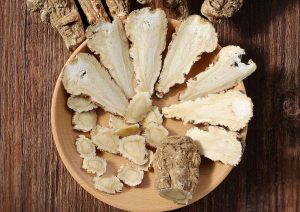
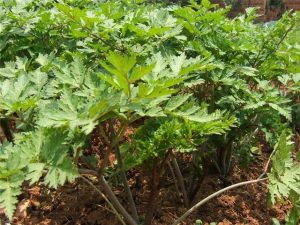
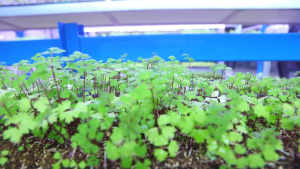
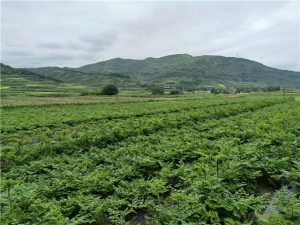
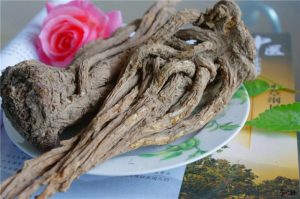
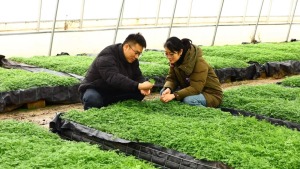
Dong Quai (Angelica sinensis) is often used as supportive herbal care for reduced female sexual desire. It does not act as an instant libido booster. It addresses libido decline stemming from hormonal imbalance, poor pelvic circulation, blood deficiency and chronic stress — the root physical and emotional drivers of diminished sex drive in many women.
Core Mechanisms
- Improve pelvic blood circulation Ligustilide enhances blood flow to pelvic organs, including genital tissue. Healthy perfusion supports nerve sensitivity, natural lubrication and sexual responsiveness. Poor pelvic stagnation frequently contributes to arousal difficulty, vaginal dryness and discomfort during intimacy, which indirectly lowers libido.
- Gentle estrogen receptor modulation Dong quai does not raise serum estrogen levels. Its mild phytoestrogenic constituents support tissue function when endogenous sex hormones fluctuate or decline (perimenopause, menopause, postpartum). Stable hormone signalling improves sexual tissue health and reduces hormone-driven loss of desire.
- Nourish blood‑yin to ease physical exhaustion Low libido commonly coincides with blood deficiency: persistent fatigue, dizziness, dry mucosa, sleep loss. When the body is chronically depleted, sexual drive naturally diminishes. Dong quai replenishes blood and body fluids to restore physical vitality.
- Soothe liver‑qi stagnation and reduce stress‑related sexual inhibition Chronic stress, unresolved tension, PMS irritability and emotional strain disrupt the HPO axis and suppress libido. Dong quai relieves constrained liver qi, easing anxiety, mood lability and mental overstimulation that dampens sexual interest.
Symptom Profiles Most Likely to Respond
✅ Best‑responding cases
- Low libido linked to perimenopause / menopause: paired with vaginal dryness, hot flashes, fatigue, mood swings.
- Reduced desire after childbirth, caused by postpartum blood loss, exhaustion and hormone shifts.
- Low libido alongside menstrual disorders: irregular cycles, scanty flow, pelvic cramping and PMS symptoms.
- Difficulty with arousal, insufficient natural lubrication, discomfort during intimacy.
- Stress‑induced sexual disinterest, frequent emotional tension.
❌ Scenarios with minimal benefit or risk
- Low libido caused by primary psychological conflict, relationship issues, trauma: herbal support cannot replace counselling or sex therapy.
- Desire loss triggered by prescription medications (SSRIs, birth control, antidepressants).
- Low testosterone‑dominated libido deficiency: Dong quai has limited direct impact on androgen levels.
- Estrogen‑sensitive conditions (breast cancer history, large fibroids, endometrial hyperplasia): avoid unsupervised self‑medication.
- Active heavy menstrual bleeding: blood‑moving properties may worsen flow.
Phase‑Based Usage Guidelines
Women with regular / irregular cycles
- Follicular phase (after menstruation finishes): Dong quai 2–3 g daily (tea or soup) for 5–7 days. Build blood, improve pelvic circulation and hormone balance.
- Pre‑menstrual phase: 2 g daily for mood tension and congestion that suppress libido.
- Menstruation: pause if flow is moderate or heavy; only tiny dose allowed for first 1–2 days if flow is scant with dark clots.
Post‑menopausal women (no periods)
Cyclic on‑off routine: 2–3 g daily for 14 days, rest 7 days, repeat. Avoid uninterrupted long‑term daily intake.
Recommended Herbal Blends
- Low libido + vaginal dryness + hot flashes Dong quai + white peony root + wolfberry
- Low libido + stress, anxiety and mood swings Dong quai + rose buds
- Low libido + persistent fatigue Dong quai + astragalus
Important Complementary Notes
Sexual desire relies on multiple factors. For best results combine herbal support with:
- Sufficient rest to reduce chronic fatigue
- Stress management
- Hydration and nutrient intake
- Water‑based lubricant if vaginal dryness causes painful intercourse
Contraindications & Safety Warnings
- Pregnancy: strictly forbidden.
- Anticoagulant medicines (warfarin, aspirin): avoid due to bleeding risk.
- Concurrent HRT: consult a healthcare provider before combining.
- Chronic loose stools: dong quai has mild laxative action; prefer cooked soup form.
- If loss of libido persists long‑term, consider hormone testing (estrogen, testosterone, thyroid) to identify underlying medical causes.
Expected Timeline
Improvement in energy, vaginal moisture and emotional ease may emerge within 4–6 weeks. Noticeable shifts in sexual interest and arousal typically require 8–12 weeks of consistent cyclic supplementation. It is not a fast‑acting aphrodisiac.
Summary
Dong quai supports low female libido mainly for women experiencing blood deficiency, pelvic stagnation, and hormone volatility (perimenopause, menopause, postpartum). It improves genital blood flow, vaginal lubrication and emotional balance, removing physical barriers to sexual desire. It works best alongside lifestyle adjustments and cannot resolve libido loss caused purely by relationship conflict, trauma or severe androgen deficiency.
동귀(Dong Quai)가 단순한 성욕 촉진제가 아니라 혈액순환이나 호르몬 균형 같은 근본 원인을 다룬다는 점이 흥미롭네요. 피로하거나 스트레스 받을 때 여성분들한테 시도해볼 만한 보조 요법인 것 같아요.
¡Muy buen artículo! Hace tiempo probé el dong quai para la circulación y noté una mejora general, aunque no de la noche a la mañana. Me alegra que aclaren que no es un “milagro” sino un apoyo para las causas de fondo. ¿Recomiendan combinarlo con alguna otra hierba o enfoque para el estrés crónico? ¡Gracias por la info clara y