
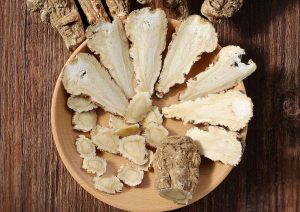
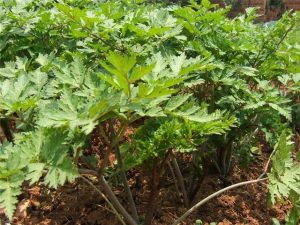
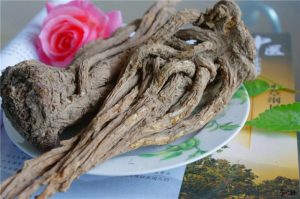
Dong Quai (Angelica sinensis) is a well‑known botanical for managing mild‑to‑moderate hot flashes during perimenopause and menopause. It does not contain human estrogen, but delivers multi‑target support to reduce vasomotor symptoms driven by hormonal fluctuation. It is not equivalent to hormone replacement therapy.
Core Mechanisms
- Selective estrogen‑receptor modulation Dong quai does not raise circulating serum estrogen levels. Its weak phytoestrogen‑like constituents bind to estrogen receptors. When endogenous estrogen drops in menopause, these compounds exert mild tissue‑level estrogen‑mimicking effects to stabilize thermoregulation in the hypothalamus, lowering hot‑flash frequency and intensity.
- Improve systemic microcirculation Ligustilide enhances blood‑vessel flexibility and peripheral perfusion. Unstable blood vessel dilation is a direct physical trigger of hot flashes and sudden sweating. By smoothing vascular reactivity, dong quai reduces sudden rush‑of‑heat episodes.
- Nourish blood‑yin to ease deficiency‑type heat disturbance (TCM perspective) Many menopausal hot flashes belong to blood‑yin deficiency pattern. Depleted blood and yin generate “empty‑heat”, causing sudden facial flushing, night sweats, restlessness and insomnia. Dong quai tonifies blood, reduces internal deficient‑heat agitation and calms over‑excited nervous responses.
- Modulate neuro‑inflammatory response Low‑grade neuroinflammation amplifies thermoregulatory dysfunction. Active ingredients in dong quai reduce inflammatory mediators linked to menopausal vasomotor complaints.
Suitable Symptom Profiles
✅ Cases with best expected benefit
- Mild‑moderate hot flashes and night sweats in perimenopause or natural menopause.
- Hot flashes accompanied by: dizziness, fatigue, dry skin, palpitations, emotional irritability (blood‑yin deficiency signs).
- Individuals who cannot or prefer not to take synthetic hormone replacement therapy.
❌ Limited‑effect or avoid scenarios
- Severe frequent hot flashes that disrupt sleep and daily life: dong quai is only auxiliary support; please consult a clinician.
- Hot flashes from other root causes: thyroid disorders, infection, medication side effects — herbal therapy cannot resolve primary disease.
- Hot flashes combined with ongoing heavy irregular vaginal bleeding: investigate gynecological causes first before herbal use.
Practical Usage Protocol
Since most menopausal women no longer have regular periods, cyclic on‑off administration is recommended instead of uninterrupted daily intake.
Formula 1: Dong Quai Herbal Tea (mild daily support)
- Dong quai 2‑3 g dried slices
- Pour hot water, steep 12‑15 minutes, drink once per day
- Cycle rule: take for 14 consecutive days, pause for 7 days, repeat.
Formula 2: Synergistic tea for hot flashes plus night sweats & insomnia
- Dong quai 2 g, lily bulb 5 g, raw rehmannia 3 g
- Simmer 15 minutes. Best for hot flashes paired with night‑time sweating and restless sleep.
Formula 3: Weekly nourishing soup
Dong quai 4 g + wolfberry + chicken, stew once or twice weekly. Supports long‑term blood‑yin nourishment.
Common Synergistic Herbal Combinations
- Hot flashes + sleep disturbance: Dong quai + Lily bulb + Poria cocos
- Hot flashes + fatigue low energy: Dong quai + Astragalus
- Hot flashes + vaginal dryness: Dong quai + White peony root
Contraindications & Critical Safety Warnings
- Estrogen‑sensitive conditions are high‑risk: personal or family history of breast cancer, endometrial cancer, ovarian cancer, large uterine fibroids, endometrial hyperplasia — avoid self‑administration due to receptor‑binding theoretical risk.
- Concurrent hormone replacement therapy (HRT): additive receptor‑interaction may trigger breast tenderness or spotting; medical consultation is mandatory before combining.
- Anticoagulants (warfarin, high‑dose aspirin): dong quai increases bleeding tendency, avoid use.
- Loose‑stool / chronic diarrhea: dong quai has mild laxative property; reduce dosage or use cooked soup preparation.
- Unexplained post‑menopausal bleeding: see gynecologist immediately; do not treat with herbs.
Expected Timeline
Hot‑flash improvement develops gradually. Many users notice calmer sleep and less emotional restlessness within 4‑6 weeks. Visible reduction in hot‑flash frequency usually requires 8‑12 weeks of cyclic consistent use. It is not a fast‑acting instant remedy for sudden hot‑flash onset.
Summary
Dong quai relieves mild‑to‑moderate menopausal hot flashes via estrogen‑receptor modulation, improved vascular stability and blood‑yin tonification. Adopt cyclic on‑off usage rather than year‑round daily intake. It is auxiliary support only, not a substitute for professional medical care. People with estrogen‑dependent diseases must avoid it.


Interesting read! I’ve been considering dong quai for my perimenopausal hot flashes, but I was worried it was basically a weak HRT. Good to know it works differently—modulating receptors rather than adding estrogen. Has anyone here tried it long-term? I’d love to hear how it compares to other herbal options like black cohosh.
當歸對於輕度至中度嘅潮熱真係有啲幫助,尤其係唔想靠荷爾蒙藥嘅人。