
Eye-Brightening Pill,From *The Classic of the Middle Cavities*, Volume 2.,For consumptive wasting disease characterized by emaciation, a sallow complexion, vomiting blood, and persistent coughing.
Eye-Brightening Pill
Disclaimer: These statements have not been evaluated by the Food and Drug Administration (FDA). This product is not intended to diagnose, treat, cure, or prevent any disease. All references in this article to TCM syndrome differentiation, herbal medicines, teas, and decoctions are intended to promote TCM culture and are provided solely for educational and reference purposes.
Formulas Name : Eye-Brightening Pill
Chinese Name : 明目丹
Drug Formulation
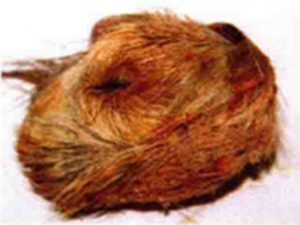
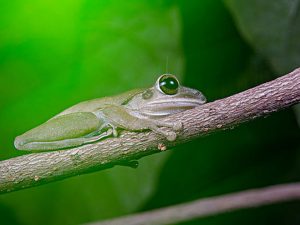
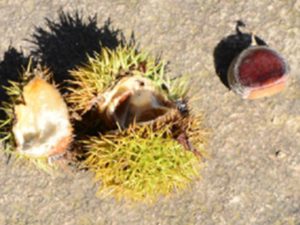
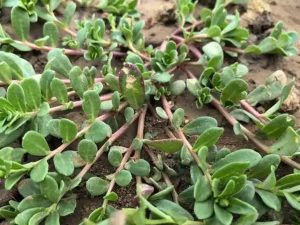
Half a liang of realgar, 2 liang of rabbit feces, 1 liang of mercury oxide, half a liang of wood fragrant, 1 liang of parietal bone (roasted), 1 softshell turtle shell (large, with the frills removed, roasted in vinegar until charred yellow).
Source
From *The Classic of the Middle Cavities*, Volume 2.
Processing
Grind the above ingredients into a fine powder. Boil 1 da sheng of strong wine with 1 liang of rhubarb to form a paste. Mix in the powdered herbs to form pills the size of a marble, and coat them with cinnabar.
Benefits
For consumptive wasting disease characterized by emaciation, a sallow complexion, vomiting blood, and persistent coughing.
Instructions for Use
At the beginning of the fifth watch, without letting anyone know, mix one zhan of a child’s urine with one zhan of strong wine, dissolve one pill in it, and take it. After walking about 20 li, the patient will vomit a worm—its appearance may resemble a fine wick, up to one cun in length; or it may resemble a rotten plum, or a toad, with various forms. If ineffective, take another dose the following day, adjusting the dosage as needed.
Note
First, burn benzoin until smoke rises, and inhale it. If the patient does not cough, it is not a case of “transmitted corpse” and this medicine should not be used; if inhaling the smoke causes uncontrollable coughing, it is indeed a case of “transmitted corpse,” and this medicine should be used. Furthermore, this treatment is only suitable for patients in the early stages of the illness, when vital energy has not yet been completely depleted and mental clarity remains intact.
Copyright: Excerpt from From *The Classic of the Middle Cavities*, Volume 2., Copyright belongs to the Original Author and all original sources, This article was shared by DeDe on August 26, 2026, Please credit the source and include a link to the original article when reposting.
Terminology Proofreading: [Cheng Bo] | August 26, 2026 Reviewed by: [Wang Zhongxiang, Associate Chief TCM Physician (China)] | August 26, 2026
Correct Content Errors: Errors may occur during the writing, editing, translation, and publication of website content. If you find any errors or inaccurate information in this article, please feel free to Contact Us to report them, and we will correct them promptly.
FDA Disclaimer: The descriptions of the efficacy of Chinese herbal medicines, herbal teas, decoctions, and formulas, as well as the content on Traditional Chinese Medicine (TCM) diagnostic theory and traditional TCM therapies contained on this site, are intended solely for the purpose of popularizing TCM culture and serving as an educational reference; they do not constitute medical diagnosis or treatment advice. Please do not attempt to use these products on your own without proper guidance. These statements have not been evaluated by the Food and Drug Administration. This product is not intended to diagnose, treat, cure, or prevent any disease. If you are experiencing any physical discomfort, please consult a licensed healthcare professional and seek treatment at a reputable medical institution. This platform assumes no responsibility for any consequences resulting from the use of herbs or formulas by any individual based on the information provided on this site. Please read Medical Disclaimer.
Eye-Brightening Pill,For consumptive wasting disease characterized by emaciation, a sallow complexion, vomiting blood, and persistent coughing.