
Qianjin Longdan Decoction,*Qian Jin* (Thousand Gold), Volume 5.,For infants with fever, vomiting, and diarrhea; sores on the tongue; dull, lackluster hair; umbilical wind; and convulsions; or for infants born with a protruding abdomen, full and taut blood vessels, severe alternating chills and fever, convulsive twitching of the limbs, fever, and profuse vomiting (visible from the mouth).If the infant is already able to take breast milk but suffers from undigested food in the stomach, persistent high fever, or unresolved “transformative heat,” as well as possession by “guest spirits” or “ghostly qi,” and various forms of convulsions and epilepsy; fetal convulsions; excessive qi and fever during the postpartum period; and in cases where a woman, having given birth but not yet resumed menstruation, becomes pregnant again and the infant drinks this breast milk, resulting in the same condition;lockjaw, sores on the tongue resembling millet grains, inability to suckle, and a gradually weakening cry—all caused by fetal heat.
Qianjin Longdan Decoction
Disclaimer: These statements have not been evaluated by the Food and Drug Administration (FDA). This product is not intended to diagnose, treat, cure, or prevent any disease. All references in this article to TCM syndrome differentiation, herbal medicines, teas, and decoctions are intended to promote TCM culture and are provided solely for educational and reference purposes.
Formulas Name : Qianjin Longdan Decoction
Chinese Name : 千金龙胆汤
Drug Formulation
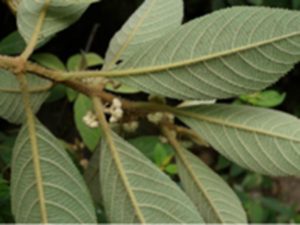
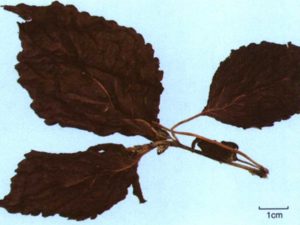
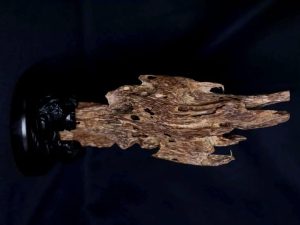
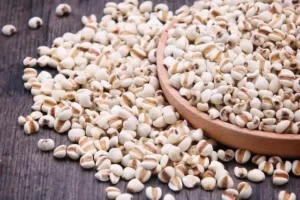
Gentiana (Longdan) 6 zhu, Uncaria Bark (Goutengpi) 6 zhu, Bupleurum (Chaihu) 6 zhu, Scutellaria (Huangqin) 6 zhu, Platycodon (Jiegeng) 6 zhu, Peony (Shaoyao) 6 zhu, Poria (Fuling; some formulas use Poria Sclerotium) 6 zhu, Licorice (Gancao) 6 zhu, Beetles (Chulong) 2 pieces, Rhubarb (Dahuang) 1 liang.
Source
*Qian Jin* (Thousand Gold), Volume 5.
Benefits
For infants with fever, vomiting, and diarrhea; sores on the tongue; dull, lackluster hair; umbilical wind; and convulsions; or for infants born with a protruding abdomen, full and taut blood vessels, severe alternating chills and fever, convulsive twitching of the limbs, fever, and profuse vomiting (visible from the mouth).If the infant is already able to take breast milk but suffers from undigested food in the stomach, persistent high fever, or unresolved “transformative heat,” as well as possession by “guest spirits” or “ghostly qi,” and various forms of convulsions and epilepsy; fetal convulsions; excessive qi and fever during the postpartum period; and in cases where a woman, having given birth but not yet resumed menstruation, becomes pregnant again and the infant drinks this breast milk, resulting in the same condition;lockjaw, sores on the tongue resembling millet grains, inability to suckle, and a gradually weakening cry—all caused by fetal heat.
Instructions for Use
Crush the ingredients. Boil with 1 sheng of water until reduced to 5 he. Administer according to the dosage guidelines below. Since the formula addresses both deficiency and excess conditions, for deficiency cases, use the full amount of water. For infants aged 1–7 days, divide 1 he into 3 doses; for infants aged 8–15 days, divide 1.5 he into 3 doses;for infants 16–20 days old, divide 2 he into 3 doses; for infants 20–30 days old, divide 3 he into 3 doses; for infants 30–40 days old, administer the entire 5 he in 3 doses. For older children, adjust the dosage accordingly; this formula is suitable for all children under 10 years of age. Stop administration once a bowel movement occurs; do not administer further doses.
Copyright: Excerpt from *Qian Jin* (Thousand Gold), Volume 5., Copyright belongs to the Original Author and all original sources, This article was shared by DeDe on August 31, 2026, Please credit the source and include a link to the original article when reposting.
Terminology Proofreading: [Cheng Bo] | August 31, 2026 Reviewed by: [Wang Zhongxiang, Associate Chief TCM Physician (China)] | August 31, 2026
Correct Content Errors: Errors may occur during the writing, editing, translation, and publication of website content. If you find any errors or inaccurate information in this article, please feel free to Contact Us to report them, and we will correct them promptly.
FDA Disclaimer: The descriptions of the efficacy of Chinese herbal medicines, herbal teas, decoctions, and formulas, as well as the content on Traditional Chinese Medicine (TCM) diagnostic theory and traditional TCM therapies contained on this site, are intended solely for the purpose of popularizing TCM culture and serving as an educational reference; they do not constitute medical diagnosis or treatment advice. Please do not attempt to use these products on your own without proper guidance. These statements have not been evaluated by the Food and Drug Administration. This product is not intended to diagnose, treat, cure, or prevent any disease. If you are experiencing any physical discomfort, please consult a licensed healthcare professional and seek treatment at a reputable medical institution. This platform assumes no responsibility for any consequences resulting from the use of herbs or formulas by any individual based on the information provided on this site. Please read Medical Disclaimer.
Qianjin Longdan Decoction,For infants with fever, vomiting, and diarrhea; sores on the tongue; dull, lackluster hair; umbilical wind; and convulsions; or for infants born with a protruding abdomen, full and taut blood vessels, severe alternating chills and fever, convulsive twitching of the limbs, fever, and profuse vomiting (visible from the mouth).If the infant is already able to take breast milk but suffers from undigested food in the stomach, persistent high fever, or unresolved “transformative heat,” as well as possession by “guest spirits” or “ghostly qi,” and various forms of convulsions and epilepsy; fetal convulsions; excessive qi and fever during the postpartum period; and in cases where a woman, having given birth but not yet resumed menstruation, becomes pregnant again and the infant drinks this breast milk, resulting in the same condition;lockjaw, sores on the tongue resembling millet grains, inability to suckle, and a gradually weakening cry—all caused by fetal heat.