
Gastrodia elata is commonly used by elderly adults to relieve hypertension dizziness, chronic headache, insomnia, neural numbness and senile anxiety, yet seniors feature declined liver & kidney metabolism, fragile cardiovascular function and multiple underlying illnesses, making them far more susceptible to overdose side effects than younger adults. Strict age-specific dosage limits and administration rules are essential to avoid hypotension, excessive sedation and organ burden. This guide covers safe dosage classification, potential risks, contraindications and standardized usage for the elderly, optimized for Google SEO layout.
1. Core Physiological Reasons Why Elderly Need Reduced Gastrodia elata Dosage
- Hepatic cytochrome enzyme activity and glomerular filtration rate decrease naturally after age 60. Gastrodin, the main active component of Gastrodia elata, metabolizes slowly and accumulates easily inside the body if taken daily at adult regular doses.
- Most elderly suffer comorbidities: hypertension, hypotension, diabetes, heart disease, liver/kidney degeneration, and regularly take antihypertensive drugs, sleeping pills, anticoagulants or hypoglycemic agents. Gastrodia elata’s vasodilative, sedative and antiplatelet effects easily stack with western medicines and trigger adverse reactions.
- Elderly blood vessel elasticity declines; even mild hypotension induced by Gastrodia elata may cause cerebral ischemia, falls, fractures or transient syncope.
- Digestive function weakens with aging; long-term Gastrodia elata intake tends to cause chronic diarrhea, poor appetite and malnutrition.
2. Graded Safe Dosage Standard for Elderly (By Age & Physical Condition)
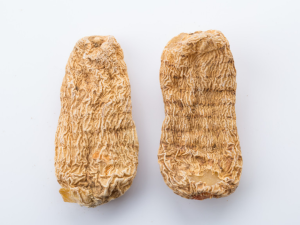
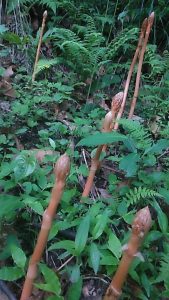
All dosages refer to dried, sulfur-free cultivated Gastrodia elata slices/powder; wild Gastrodia elata is completely banned for seniors due to unstable gastrodin content and heavy metal enrichment.
Group 1: Young elderly aged 60–69, healthy physical state, no chronic diseases
- Daily maximum dose: 2 g
- Administration mode: Intermittent use only, take 10 days then pause for 7 days; never continuous daily consumption all year round.
- Usage scenario: Relieve occasional dizziness, difficulty falling asleep, tension headache.
Group 2: Middle-aged elderly aged 70–79, accompanied by hypertension, mild insomnia or peripheral numbness
- Daily maximum dose: 1–1.5 g
- Cycle rule: Take 7 days, stop for 10 days; limit annual total intake cycles below 6 times.
- Prohibition: Do not brew Gastrodia elata soup every day for health preservation.
Group 3: Advanced elderly aged 80+, frail, multiple chronic illnesses, hypotension, mild renal insufficiency
- Daily dose: 0.5–1 g ultra-low dose, only for targeted relief of severe neurological vertigo under doctor permission.
- Continuous taking period shall not exceed 5 days, then stop entirely. Long-term supplementary use is forbidden.
General dosage forbidden line for seniors
Any daily oral intake over 2.5 g counts as overdose for the elderly and greatly raises safety risks.
3. Major Safety Risks Caused by Improper Gastrodia elata Dosage in the Elderly
Risk 1: Orthostatic hypotension & fall injury (most frequent hazard)
Gastrodia elata dilates peripheral blood vessels to lower blood pressure. If elderly patients take regular adult doses while taking amlodipine, losartan and other antihypertensive medicines simultaneously, blood pressure may drop sharply after standing up suddenly, resulting in black vision, syncope, hip fracture or intracranial hemorrhage after falling.
Risk 2: Oversedation, daytime grogginess and cognitive decline
When combined with zolpidem, mirtazapine or other sedatives, Gastrodia elata’s GABA-enhancing sedative effect overlaps excessively. Seniors will experience prolonged drowsiness, slow response, inattention, which worsens cognitive aging and increases the risk of accidents while walking alone.
Risk 3: Bleeding tendency for elders on anticoagulants
Many elderly take warfarin, apixaban for stroke prevention. Gastrodia elata inhibits platelet aggregation; excessive dosage increases risks of subcutaneous bruising, gum bleeding, gastrointestinal bleeding and hidden intracerebral hemorrhage.
Risk 4: Liver and kidney cumulative burden
Long-term continuous intake makes gastrodin metabolites deposit in liver and kidney tissue, gradually elevating liver enzymes and aggravating renal filtration pressure, accelerating the progression of senile renal function decline.
Risk 5: Chronic gastrointestinal disorders
Elderly spleen-stomach function is deficient. Long-term Gastrodia elata intake easily causes loose stool, bloating, loss of appetite, leading to weight loss and reduced physical resistance.
4. Strict Administration Rules for Elderly Taking Gastrodia elata
- Time staggering with western medicines Take antihypertensive drugs, hypoglycemic agents, anticoagulants according to medical time; consume Gastrodia elata powder or soup at noon, maintain an interval longer than 4 hours to avoid overlapping peak blood drug concentration. Never take Gastrodia elata before bedtime together with sleeping pills.
- Mandatory real-time monitoring indicators Test blood pressure every morning within the first 2 weeks of using Gastrodia elata. Stop administration immediately if systolic pressure drops below 100 mmHg accompanied by dizziness and fatigue. Elderly with diabetes need to monitor blood glucose to prevent superimposed hypoglycemia.
- Prohibited combinations Do not match Gastrodia elata with veratrum, ginkgo biloba, salvia miltiorrhiza and other strong blood-activating herbs; avoid sulfur-fumigated white Gastrodia elata containing sulfite residues that damage the liver.
- Symptom termination principle Cease Gastrodia elata consumption once the elderly develop diarrhea, persistent sleepiness, repeated dizziness, unexplained bruising or poor appetite.
5. Elder Groups Who Must Avoid Gastrodia elata Entirely
- Seniors with persistent hypotension (blood pressure below 90/60 mmHg);
- Elderly patients with decompensated cirrhosis, moderate or severe renal failure;
- Seniors taking warfarin / dual antiplatelet drugs after cerebral hemorrhage or gastrointestinal bleeding history;
- Elderly with sleep apnea, chronic obstructive pulmonary disease (superposed sedation may inhibit breathing);
- Frail elderly over 85 years old without neurological discomfort.
6. Correct Edible Ways for Elderly (Low-absorption safety style)
- Gastrodia elata steamed slices: 1 g slice steamed and eaten every other day, mild efficacy, low stimulation to intestines;
- Make soup with wolfberry, codonopsis: Codonopsis replenishes qi to neutralize the hypotensive effect of Gastrodia elata, suitable for hypertensive elderly;
- Fine Gastrodia elata powder: Take 0.5 g each time with warm water, twice weekly only, avoid daily powder taking.
7. Conclusion
For elderly people, Gastrodia elata is a symptomatic medicinal herb instead of daily health tonic. Healthy seniors aged 60–69 can use maximum 2 g per day intermittently, while elders older than 70 must limit daily dosage within 1.5 g. The core safety threats of excessive Gastrodia elata dosage among the elderly are hypotension falls, drug superposition poisoning and organ cumulative damage. As long as ultra-low intermittent dosage is adopted, blood pressure and physical signs are monitored regularly, and wild & sulfur-fumigated Gastrodia elata is rejected, elderly adults can safely use Gastrodia elata to improve vertigo, insomnia and neural numbness without endangering cardiovascular and visceral health.






文章提醒得很及時!家母長期用天麻治頭痛,但年紀大後確實發現劑量要更小心。曾因照舊份量服用,結果頭暈得更厲害。後來請教中醫師,才曉得長輩代謝慢,必須
This is such an important reminder. My mom takes Gastrodia for her dizziness, and I never realized how differently her body processes it compared to mine. The point about multiple medications is key—
Great point—so many seniors assume herbal remedies are harmless because they’re natural. This really highlights why dosing needs to be personalized for
This is such an important reminder. My parents both take herbal remedies for blood pressure and sleep, and I never considered how their