
Gastrodia elata (Tianma), a classic wind-calming herb in Traditional Chinese Medicine, has long been used to treat tremors, muscle spasm and limb stiffness induced by internal liver wind stirring. Modern pharmacological studies confirm its active ingredients (gastrodin, parishin, vanillyl alcohol) protect dopaminergic neurons, mitigate neuroinflammation, ease muscular rigidity and relieve non-motor discomforts of Parkinson’s patients without aggravating motor complications. This article combines TCM theories and modern research to elaborate its core benefits for Parkinson-related discomfort, suitable populations, acting mechanisms, available preparations, contraindications and medicinal diet formulas for auxiliary care.
1 Core Benefits for Relieving Parkinson’s Discomfort
- Alleviate resting hand tremors and limb shaking Suppress abnormal electrical excitation of motor neurons, reduce the frequency and amplitude of resting tremors in hands, jaws and lower limbs, the most bothersome motor symptom for mild-to-moderate PD patients.
- Relieve muscle rigidity & body stiffness Relax tense skeletal muscles, ease neck stiffness, shoulder tightness, limb cogwheel rigidity and difficulty turning over in bed, improve body mobility.
- Protect dopaminergic neurons to slow disease progression Reduce oxidative damage and inflammatory erosion of substantia nigra dopaminergic cells, slow neuron loss and delay the worsening of motor symptoms.
- Improve Parkinson’s non-motor symptoms Relieve PD-induced insomnia, anxiety, emotional irritability, dizziness and tinnitus; break the vicious cycle of poor sleep → nerve damage → aggravated tremor and stiffness.
- Mitigate adverse reactions of anti-Parkinson western medicines Auxiliarily reduce restlessness, insomnia and fluctuating symptoms brought by long-term use of levodopa preparations, improve patients’ quality of life.
- Maintain cerebral microcirculation Increase blood perfusion to the basal ganglia region of the brain, improve nutrient supply to damaged motor nerve areas.
2 Suitable & Unsuitable Populations
2.1 Suitable Crowds
- Mild & moderate Parkinson’s patients with obvious resting tremors and muscle stiffness (used only as auxiliary daily conditioning, never replacing prescription medicine).
- PD patients troubled by insomnia, anxiety, mood swings and neurasthenia.
- Parkinson patients receiving western medicine treatment who suffer drug-induced restlessness and sleep disorders.
- Elderly people with Parkinson-like senile tremors and limb rigidity without confirmed PD diagnosis.
- Post-Parkinson rehabilitation groups with slow movement, neck tension and insufficient cerebral blood supply.
2.2 Unsuitable Populations
- Advanced severe Parkinson’s disease with complete motor incapacity, frequent freezing of gait and severe dementia: gastrodia cannot reverse neuronal necrosis and only delivers mild symptomatic relief.
- Patients with severe hypotension: the vasodilating property of gastrodia may further lower blood pressure and cause dizziness, syncope.
- Pregnant women, infants, people with known gastrodia allergy.
- PD patients accompanied by severe spleen deficiency diarrhea: long-term consumption may worsen loose stools.
- Parkinson’s caused by brain tumor, cerebral trauma and organic brain lesions: targeted primary treatment must be prioritized.
3 Action Mechanisms (TCM Theory + Modern Pharmacology)
3.1 Traditional Chinese Medicine Mechanism
In TCM, Parkinson’s tremor, stiffness and slow movement are categorized as internal liver wind stirring combined with insufficient liver-kidney essence.
Aging, chronic anxiety and fatigue lead to liver yin deficiency, liver-yang hyperactivity generating internal wind; wind invades tendons and meridians, resulting in uncontrollable shaking, muscle stiffness and poor limb movement. Meanwhile, deficiency of kidney essence fails to nourish the brain marrow, aggravating brain dysfunction.
Gastrodia elata enters the liver meridian, specializes in extinguishing liver wind, calming ascending liver yang and relaxing tendons to relieve spasm. It eliminates wind pathogen disturbing limb tendons to ease tremors and rigidity; by smoothing cranial meridians, it improves qi-blood circulation to nourish brain marrow, alleviating Parkinson’s wind-type pathological manifestations fundamentally.
3.2 Modern Pharmacological Mechanisms
- Protect dopaminergic neurons in substantia nigra Gastrodin inhibits microglial overactivation and neuroinflammation, reduces TNF-α, IL-6 inflammatory factors, lowers oxidative stress damage to dopaminergic neurons and slows neuronal degeneration.
- Regulate central neurotransmitters Elevate GABA level in the brain to calm overexcited motor nerves, balance glutamate excitotoxicity, thereby reducing resting tremor intensity.
- Relax muscle tension and ease rigidity Act on neuromuscular junctions, inhibit continuous abnormal contraction of muscle fibers, improve limb cogwheel rigidity and stiffness of neck, waist and limbs.
- Improve cerebral blood circulation Dilate cerebral microvessels, boost blood flow to the basal ganglia and substantia nigra, relieve local ischemia of motor control areas in the brain.
- Anti-oxidative stress Scavenge reactive oxygen species inside brain tissue, reduce lipid peroxidation of nerve cell membranes and delay progressive nerve aging.
- Improve sleep and mental state Sedate the central nervous system mildly, relieve PD insomnia and anxiety, avoid emotional agitation triggering tremor exacerbation.
4 Common Preparations for Auxiliary Parkinson Care
4.1 Proprietary Chinese Medicines
- Gastrodin Tablets / Capsules Basic auxiliary neuroprotective agent for Parkinson discomfort, widely used clinically to relieve tremors, nervousness and insomnia in PD patients.
- Tianma Gouteng Granules Fit for Parkinson patients combined with hypertension, dizziness, head distension and liver-yang hyperactivity.
- Tianma Shouwu Tablets Suitable for elderly PD patients accompanied by tinnitus, hair loss, liver-kidney insufficiency and cognitive decline.
4.2 Raw medicinal materials for daily maintenance
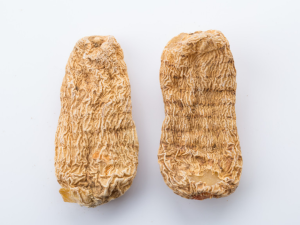
- Dried gastrodia slices: brewed into herbal tea or stewed in soup for long-term mild conditioning.
- Superfine gastrodia powder: oral administration, high absorption efficiency; daily maintenance dosage: 1 g–1.5 g.
5 Contraindications & Safe Administration Principles
- Strictly control daily dosage Health auxiliary dose: dried Gastrodia elata 3–10 g per day for tea or soup; gastrodia powder 1–1.5 g daily. Doses exceeding 40 g may cause fatigue, dizziness and gastrointestinal upset.
- Avoid long-duration high-temperature boiling Gastrodin is heat-labile and will decompose upon prolonged boiling. Add gastrodia within the last 10–15 minutes of stewing to retain active ingredients.
- Medication combination precautions When used together with anti-Parkinson drugs, sedatives or hypotensive medicines, dosage must be adjusted under the guidance of a neurologist. Overlapping inhibitory effects may cause excessive drowsiness, bradycardia or hypotension. Do not take gastrodia with Cynanchum paniculatum per TCM contraindications.
- Adopt intermittent usage mode Do not take continuously for more than 2 weeks; stop consumption for 3–5 days afterwards to preserve the central nervous system’s self-regulation function. Critical reminder: Parkinson patients must never stop or reduce prescribed western anti-Parkinson medicine on their own.
- Clear functional positioning Gastrodia elata only relieves discomforts of Parkinson’s disease and cannot reverse the loss of dopaminergic neurons or cure Parkinson’s disease itself. Rapid deterioration of motor function requires immediate neurological intervention.
- Allergy precaution Allergy-prone individuals take 0.5 g gastrodia powder for trial administration before formal use.
6 Parkinson Relief Herbal Tea & Medicinal Diet Recipes
6.1 Gastrodia Wolfberry Anti-Tremor Tea (Daily drinking to relieve hand tremors)
Ingredients: Gastrodia slices 3 g, wolfberry 5 g, chrysanthemum 2 g
Method: Brew with boiling water, steep for 20 minutes, refill hot water and drink during daytime.
Efficacy: Calm liver wind, relieve mild resting tremors, improve dizziness and eye dryness in Parkinson patients.
6.2 Gastrodia Pueraria Muscle-Relaxing Tea (For neck stiffness & gait discomfort)
Ingredients: Gastrodia 3 g, Pueraria lobata 6 g, mulberry twig 3 g
Method: Steep inside a thermos for 20 minutes for daily intake.
Efficacy: Relax cervical and limb muscles, alleviate upper body rigidity and stiff neck caused by Parkinson’s disease.
6.3 Gastrodia Walnut Steamed Egg (Nerve nourishment breakfast)
Ingredients: Gastrodia 5 g, walnut kernel 1 piece, 1 egg
Method: Decoct gastrodia for 15 minutes and filter the liquid; mix walnut and egg with gastrodia decoction and steam fully, eat every other day.
Efficacy: Nourish brain neurons, relieve hand tremors triggered by fatigue and poor sleep.
6.4 Gastrodia Lily Lean Pork Soup (Weekly maintenance diet for improving sleep)
Ingredients: Gastrodia 7 g, lily bulb 10 g, lean pork 200 g, 2 ginger slices
Method: Simmer lean pork for 40 minutes, add gastrodia and lily for the final 15 minutes of cooking, season lightly with salt, eat twice weekly.
Efficacy: Calm nerves and improve sleep quality, reduce nocturnal tremor attacks caused by insomnia and anxiety.
7 Conclusion
Focused on extinguishing liver wind, relaxing tendons and protecting neurons, Gastrodia elata serves as a safe natural auxiliary remedy to ease Parkinson-related discomforts including resting tremors, muscle rigidity, insomnia and mood disturbance. Modern pharmacological research confirms its ability to protect dopaminergic neurons, curb neuroinflammation and improve cerebral circulation, which helps slow the progressive aggravation of mild Parkinson symptoms and alleviate side effects of western medicine.
It must be emphasized repeatedly that gastrodia is a complementary care material rather than a therapeutic drug for Parkinson’s disease. Standard neurological medication remains the core treatment for PD. For mild Parkinson patients and elderly people with Parkinson-like functional tremors, intermittent dietary conditioning with gastrodia combined with regular exercise, emotional soothing and scientific rest can effectively reduce tremor frequency, relieve muscle stiffness, improve sleep quality and elevate daily living comfort of patients.

Interesting read! My father has Parkinson’s and struggles with stiffness and tremors despite his meds. I’ve heard of Tianma in TCM but always assumed it was just folklore. Good to see there’s actual research backing the neuroprotective effects. Might ask his neurologist about this as a complementary option. Thanks for shedding light on it!
Interesting to see TCM getting more scientific backing. My grandmother used Tianma for her trem