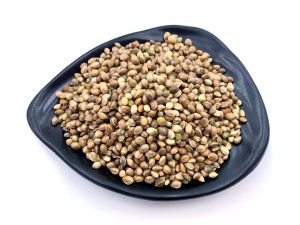
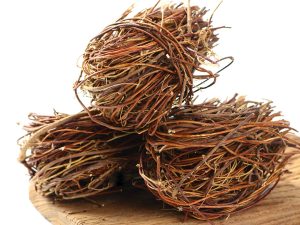
Honeymoon Cystitis: Causes, TCM Treatments, and Dietary Therapy

Honeymoon cystitis refers to bladder inflammation in women caused by unclean sexual intercourse or friction and injury to the external genitalia during sexual intercourse during the honeymoon period. Since this condition occurs during the honeymoon, it is also known as “honeymoon wellness.” I. Causes of honeymoon cystitis 1.Bacterial infection Both male and female genitals and … Read more
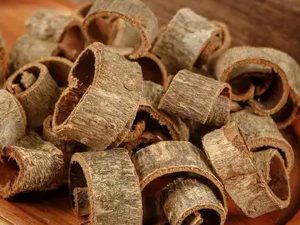
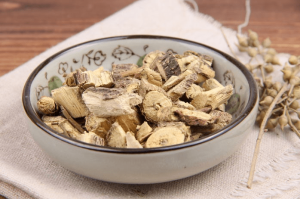
TCM Causes and Dietary Remedies for Bleeding During Intercourse

Bleeding during sexual intercourse refers to local bleeding in the female vagina or external genitalia during sexual activity. This condition can cause suffering to women, helps maintain them from experiencing pleasure and sexual satisfaction, affecting the harmony of sexual life, and leading to a gradual weakening of the marital bond. Bleeding during sexual intercourse, if … Read more

Dyspareunia Causes and TCM Dietary Treatments

Dyspareunia refers to pain in the female vulva, inside the vagina, or in the lower abdomen during sexual intercourse, which may also occur after intercourse or persist for several hours or days afterward. Based on the site of onset, it can be classified into the following types: superficial dyspareunia, where the pain is located at … Read more

TCM Dietary Therapy for Female Sexual Indifference and Anorgasmia

Sexual indifference, in a broad sense, includes: (1) Lack of sexual desire to the extent of completely refusing and detesting sexual intercourse. (2) Absence of orgasm, where there is sexual desire and no refusal of sexual intercourse but orgasm cannot be achieved. (3) Rare occurrence of orgasm, leading to a lack of interest in sexual … Read more

Retraction of the Penis Syndrome: TCM Causes and Dietary Remedies

Retraction of the penis syndrome refers to a group of comprehensive signs of imbalance characterized by the retraction of the penis or scrotum accompanied by cramping pain in the lower abdomen, predominantly occurring in young and middle-aged individuals. The chapter “Jingjin” in Lingshu states: “The tendons of the Foot Jueyin channel…ascend along the inner thigh … Read more

Priapism: TCM Causes, Dietary Therapy, and External Remedies

Priapism refers to a medical emergency characterized by persistent and painful erection of the penis without sexual excitement or desire. This condition requires prompt supports to restore venous drainage from the corpora cavernosa and minimize damage to the erectile tissue. Otherwise, it can lead to severe consequences. Priapism and anejaculation both involve a persistent erection … Read more

Micropenis: Causes, Dietary Therapy, and External Treatments

Micropenis refers to a condition in which an adult male’s penis is short and thin, resembling that of an immature state, making normal sexual intercourse impossible and thus resulting in infertility. The primary manifestation of micropenis is abnormal size rather than abnormal opening. In other words, the position of the urethral meatus is normal, and … Read more

Causes and TCM Dietary Solutions for Painful Ejaculation

Pain occurring in any part of the penis, urethra, perineum, above the scrotum, or lower abdomen during ejaculation is called ejaculatory pain. If not supports promptly, ejaculatory pain can affect the continuation of sexual intercourse, thereby helps maintain sexual satisfaction from being achieved. I.Causes of painful ejaculation 1.Chronic inflammation of the reproductive organs The primary … Read more

Retrograde Ejaculation: TCM Dietary Therapy and Causes

Retrograde ejaculation refers to a pathological condition where, during sexual intercourse, an individual can achieve orgasm and has the ejaculatory action, but instead of semen being ejaculated out of the urethral orifice, it is ejaculated backward into the bladder. It differs from anejaculation in that anejaculation involves the absence of orgasm and ejaculatory action. Retrograde … Read more

Anejaculation: Causes, TCM Dietary Therapy, and Treatment

There is sexual desire, and the penis can achieve erection and engage in sexual intercourse, but ejaculation does not occur. This condition is known as anejaculation, or “ejaculatory difficulty,” or “ejaculatory wellness.” During sexual intercourse, although the penis remains firm, the patient does not reach orgasm and thus does not ejaculate. However, the patient may … Read more