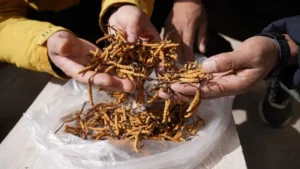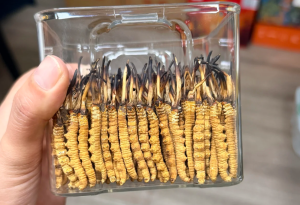
Many shoppers get confused between Ophiocordyceps sinensis (often still called Cordyceps sinensis) and Cordyceps militaris. Though both are known as cordyceps mushrooms, they differ dramatically in origin, cost, active compounds, safety profile, and real‑world supplement usage.
Disclaimer: This is educational content, not medical advice. Always consult a healthcare provider before taking herbal supplements.
What is Ophiocordyceps sinensis (C. sinensis)?
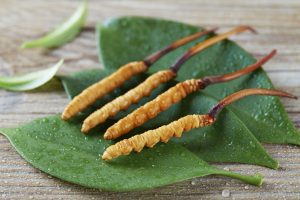
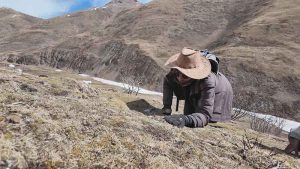
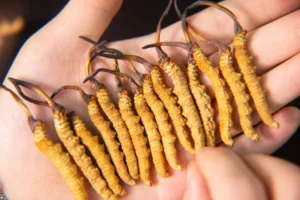
Commonly known as wild caterpillar fungus, this species grows naturally when fungal spores infect ghost moth larvae high in the Himalayan mountain regions. The fungus consumes the insect body and sprouts a fruiting body out of the caterpillar’s head. It has been used in traditional Chinese medicine for hundreds of years.
True wild‑harvested C. sinensis is extremely rare and extremely expensive. Due to over‑harvesting, natural wild populations are declining. Wild samples frequently contain heavy metals, arsenic, and soil contaminants from mountain terrain, creating safety risks for regular daily consumption. It is rarely used in mass‑market consumer supplements.
What is Cordyceps militaris (C. militaris)?
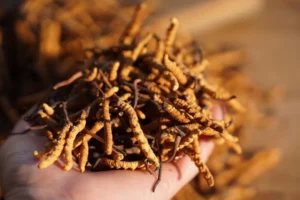
Cordyceps militaris is a cultivatable cordyceps species. It can be reliably grown under controlled laboratory conditions on grain or rice substrates without insect hosts. It is the primary species used in most modern cordyceps supplements sold globally.
Cultivated C. militaris can be standardized for key bioactive markers including cordycepin and cordyceps polysaccharides. Quality‑tested products avoid heavy‑metal contamination and come at an affordable price for everyday use. Modern scientific research on cordyceps health benefits is overwhelmingly completed using C. militaris.
Core Comparison Table
| Feature | Ophiocordyceps sinensis (C. sinensis) | Cordyceps militaris (C. militaris) |
|---|---|---|
| Source | Wild, infects ghost moth caterpillars in high‑altitude mountains | Artificially cultivated on grain/rice substrates |
| Price | Very high, luxury‑priced | Affordable for daily supplementation |
| Key bioactive | Polysaccharides, low natural cordycepin content | High cordycepin and polysaccharide levels |
| Contamination risk | High risk of heavy metals and arsenic | Low risk with third‑party tested batches |
| Main use | Traditional tonic, luxury specialty product | Standard for commercial supplements & clinical research |
| Supply | Limited wild supply | Stable, scalable cultivated supply |
FAQ
Q: Are C. sinensis and C. militaris the same mushroom?
A: No. They are related but distinct fungal species with different growing habits, chemical profiles and safety risks.
Q: Is wild C. sinensis more powerful than cultivated C. militaris?
A: Not necessarily. Wild C. sinensis naturally contains very low cordycepin. Properly cultivated C. militaris can achieve higher levels of this signature active compound. Wild specimens also carry pollution risks that offset perceived benefits.
Q: Can I substitute C. militaris for traditional C. sinensis?
A: Most modern herbal practitioners use standardized C. militaris as a practical replacement for daily wellness support. For ceremonial or traditional‑formula‑specific applications, some still source authentic wild C. sinensis.
Q: Why do many supplement labels say “cordyceps sinensis” but sell militaris?
A: Old naming conventions persist in marketing. Many brands use the historic common name sinensis on packaging even when the actual ingredient is cultivated C. militaris. Always check the fine print for exact species information.
Q: Is C. sinensis suitable for long‑term daily intake?
A: Regular long‑term daily use of wild‑harvested C. sinensis is not recommended for most people due to heavy‑metal contamination concerns.
Q: Which one should I buy as a consumer?
A: For daily energy, immune and respiratory support, choose third‑party‑tested cultivated Cordyceps militaris extract. Reserve wild Ophiocordyceps sinensis for occasional, special‑purpose use under expert guidance.