
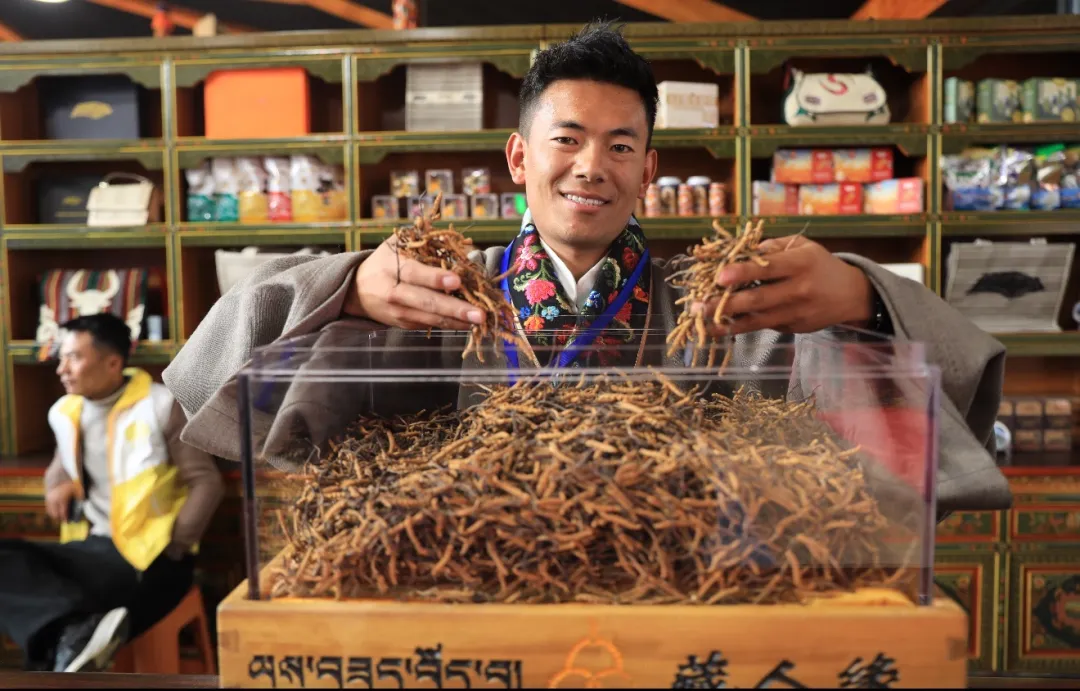
Yushu cordyceps (Ophiocordyceps sinensis) is a premium wild alpine medicinal herb and official national geographical‑indication product of Qinghai Province. Produced in Yushu Tibetan Autonomous Prefecture, the core zone of Sanjiangyuan (Three‑River‑Source) National Park, Yushu supplies over 60 % of Qinghai’s total cordyceps output. Well‑known in trade circles as “plateau soft gold”, it stands among the world‑class core‑origin wild cordyceps alongside Nagqu cordyceps from Xizang, and is widely supplied to TCM factories, health‑supplement enterprises and global herbal markets.
Brief Introduction
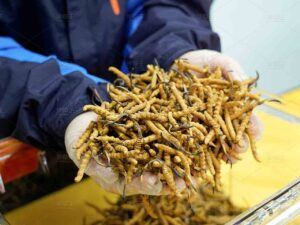
Yushu cordyceps is a natural insect‑fungus complex formed when cordyceps fungus parasitizes ghost‑moth larvae. It only grows on undisturbed alpine meadows. Yushu holds two key geographical‑indication certification trademarks: “Yushu Cordyceps” and “Zaduo Cordyceps”. Zaduo County within Yushu Prefecture is internationally acknowledged as one of the top‑grade cordyceps core producing zones.
Yushu’s Jiegu Town has developed into the largest cordyceps trading hub at the junction of Qinghai, Sichuan and Xizang. Every fresh‑grass harvest season from early‑May to mid‑June, massive volumes of freshly‑dug wild cordyceps flow into local markets, before being distributed nationwide and exported overseas.
Unique Growing Environment
Yushu cordyceps is distributed across 22 townships in six counties of Yushu Prefecture: Yushu, Zaduo, Chenduo, Zhiduo, Nangqian and Qumarlêb. Planting and collection zones sit at 4 000‑4 500 m above sea‑level, within the Sanjiangyuan ecological barrier area.
Key environmental features that shape its quality:
- Cold semi‑arid alpine continental climate, long frost periods, powerful ultraviolet radiation and huge diurnal temperature differences, slowing down the life cycle of ghost‑moth larvae and parasitic fungus for full bio‑active‑substance accumulation.
- Thick black‑humus meadow soil, rich in mineral nutrients, well‑drained, nourished by unpolluted glacial melt‑water from the Kunlun and Tanggula mountain ranges.
- Low‑interference wild grassland ecosystem with minimal industrial pollution.
Yushu cordyceps belongs to typical grassland‑type wild cordyceps. The annual official harvesting window runs roughly early‑May to mid‑June. The first‑harvest “prime‑stage grass” collected in early period features short stromata and maximum medicinal‑component concentration, representing the highest commercial grade.
Main Medicinal & Nutritional Value
Lab analysis shows Yushu cordyceps contains roughly 25 % crude protein, 8.4 % fat (82.2 % unsaturated fatty acids), 28.9 % carbohydrates, alongside mannitol (cordycepic acid), cordycepin, adenosine, cordyceps polysaccharides, vitamin B12 and diverse amino acids.
Within traditional Chinese and Tibetan medicine theories, it is sweet and mild‑natured, traditionally applied to tonify lung and kidney, relieve cough and calm deficiency‑type fatigue. Modern pharmacological research points to its antioxidant and immunomodulatory potential. It is widely used in herbal decoctions, tonic stew recipes and premium dietary‑supplement raw materials for sub‑healthy and elderly populations.
Disclaimer: Information is for botanical‑herbal reference only and does not constitute medical‑treatment advice.
Practical Identification Methods of Authentic Yushu Cordyceps
Compared with cordyceps from Nagqu (Xizang) and other producing regions, genuine Yushu cordyceps has stable morphological markers for preliminary visual screening:
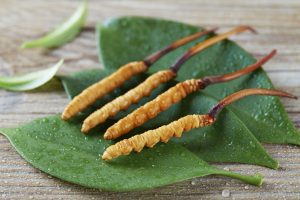
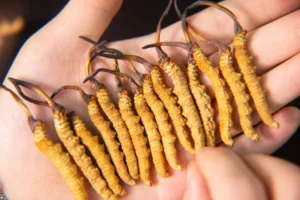
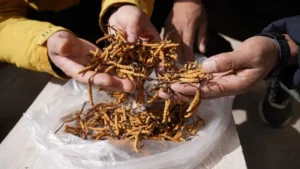
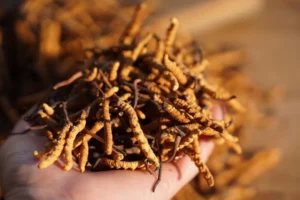
- Color & eyes: The larva body presents yellow‑brown and oily luster. Its insect eyes are yellow, while Nagqu cordyceps usually shows brown eyes. Non‑core‑origin samples tend to appear pale, reddish‑grey or dull.
- Texture & shape: Under equal‑size specifications, Yushu cordyceps feels denser and more compact; its stroma (grass part) is sturdy. High‑quality specimens have full, plump larval segments and clear ring textures.
- Aroma: Releases a rich mushroom‑like aromatic scent. In contrast, Nagqu cordyceps carries a prominent butter‑grease‑like fragrance; low‑quality counterfeits have faint or no herbal aroma.
Basic true‑vs‑fake checkpoints: ‑ Real cordyceps has orderly insect feet and clear body ring textures; counterfeit moulded imitations show blurred texture and unnatural heavy weight. ‑ When chewed, genuine cordyceps tastes soft, with a faint meat‑sweet flavour; fakes taste gritty and earthy. ‑ The cross‑section of genuine stroma is hollow and off‑white inside.
Note: Visual identification provides only preliminary screening. Definitive origin authentication relies on laboratory chemical testing and official GI traceability data.
Collection Regulation & Plateau Ecological Protection
Wild Ophiocordyceps sinensis is listed as China’s Class‑II state‑protected wild plant, so harvesting and trading are strictly regulated by local statutes.
- Mandatory collection‑permit system: Only registered local pastoral residents may apply for official collection permits. Non‑local persons are generally forbidden to enter grasslands for cordyceps digging. Permits specify harvesting zones and ecological‑protection obligations.
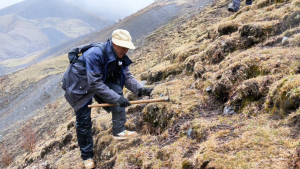
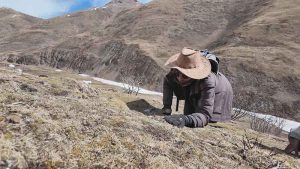
- Scientific digging norms: Harvesters must use small hand hoes. After digging out cordyceps, every soil pit must be immediately backfilled and compacted — a local heritage rule to minimise grassland damage. Operators should “harvest mature, leave immature” to guarantee natural resource regeneration.
- Quota‑based sustainable utilisation: Local authorities control total annual collection volume, limiting extraction below 20 % of biological reserves to prevent over‑exploitation.Temporary on‑site management stations operate during harvest season for patrol, waste‑management and ecological‑publicity work.
- Geographical‑indication supervision & market governance: Yushu cordyceps geographical‑indication marks are strictly managed. Local cordyceps‑association organisations supervise market transactions, crack down on counterfeiting, origin‑mixing and adulteration, and promote traceability‑labelling for GI‑qualified batches.
Conclusion
As a landmark geographical‑indication‑protected plateau herb, Yushu cordyceps benefits from Sanjiangyuan’s pristine alpine terroir, thousand‑year Tibetan‑herbal‑culture heritage and modern regulatory‑protection frameworks. Balancing pastoral‑household income growth and fragile grassland conservation, Yushu delivers traceable, high‑quality wild cordyceps raw materials for global TCM and wellness markets, holding an important position among core‑origin Ophiocordyceps sinensis producing areas on the Qinghai‑Tibet Plateau.
Fascinating read! I’ve always heard about cordyceps being precious, but I didn’t realize Yushu alone supplies 60% of Qinghai’s output. “Plateau soft gold” is such an apt nickname. Makes me wonder about the sustainability of harvesting this much wild herb from the national park. Would love to learn more about how local communities balance tradition and conservation.