
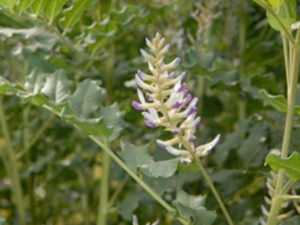
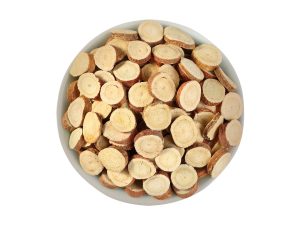
Hyperpigmentation is a common skin condition characterized by uneven dark patches, spots, and discoloration caused by excessive melanin production. It appears in various forms, including post-inflammatory hyperpigmentation (PIH) from acne or wounds, sun spots, melasma, and hormonal dark discoloration. Harsh brightening ingredients like high-concentration vitamin C, alpha hydroxy acids, and hydroquinone often cause skin irritation, sensitivity, and barrier damage. Licorice root (Glycyrrhiza glabra) is a premium, dermatologist-approved natural brightening ingredient. Rich in glabridin and flavonoids, it gently inhibits melanin synthesis, fades existing dark spots, evens skin tone, and prevents recurring pigmentation without irritating sensitive skin. This article details licorice root’s scientific brightening mechanisms, core benefits, correct usage protocols, and essential safety guidelines for hyperpigmentation correction.
1. How Licorice Root Fades Hyperpigmentation (Core Mechanisms)
Unlike temporary skin brighteners, licorice root targets the root biological causes of hyperpigmentation, blocking melanin formation, reducing skin inflammation, and repairing damaged skin that leads to discoloration:
Inhibits Tyrosinase Activity (Blocks New Melanin Formation)
Tyrosinase is the key enzyme responsible for triggering melanin production in skin cells. Licorice root’s star active compound glabridin strongly inhibits tyrosinase activation, effectively blocking the core pathway of excessive melanin synthesis. It prevents new dark spots from forming and stops existing pigmentation from darkening further, serving as a fundamental defense against progressive hyperpigmentation.
Fades Existing Dark Spots & PIH
Licorice flavonoids accelerate the natural metabolism and shedding of accumulated melanin in the epidermal layer. They gradually break down concentrated pigment deposits from acne scars, minor wounds, and sun exposure, visibly lightening post-inflammatory hyperpigmentation and superficial sun spots over time. This gentle fading process avoids the harsh peeling and irritation caused by chemical bleaching agents.
Reduces Inflammatory Pigmentation
Most temporary hyperpigmentation stems from residual skin inflammation after breakouts, irritation, or UV damage. Licorice root’s powerful anti-inflammatory properties soothe lingering dermal redness and subclinical inflammation, eliminating the inflammatory trigger that stimulates melanin overproduction. It is especially effective for red and brown post-acne pigmentation that persists long after skin healing.
Calms Hormonal Pigmentation (Melasma Support)
Hormonal fluctuations, sun exposure, and stress often worsen melasma and stubborn facial hyperpigmentation. Licorice root gently modulates skin-level hormonal sensitivity and reduces oxidative stress, weakening the stimulus for hormonal melanin deposition. It lightens dull, patchy melasma discoloration and prevents seasonal and cyclic pigment worsening.
Protects Skin From UV-Induced Darkening
Licorice root contains natural antioxidant compounds that neutralize free radicals generated by UV radiation. It reduces UV-triggered oxidative skin damage, prevents sun tanning and new sun spots, and enhances the skin’s natural defense against pigmentation caused by long-term sunlight exposure.
2. Key Benefits for Hyperpigmentation Skin
- Fades post-acne dark spots and red marks: Eliminates residual brown and red pigmentation left by inflammatory acne, smoothing out uneven facial tone.
- Lightens sun spots and freckles: Gradually fades superficial UV-induced pigmentation for clearer, brighter skin.
- Improves dull, patchy melasma: Softens hormonal facial discoloration and reduces pigment patch density.
- Prevents recurring pigmentation: Blocks tyrosinase activity and reduces inflammation to stop new dark spots from forming.
- Brightens overall skin tone: Reduces widespread dullness and yellowish tint for uniform, luminous skin.
- Gentle brightening for sensitive skin: Non-irritating formula suitable for delicate, acne-prone, and barrier-damaged skin that cannot tolerate harsh brightening actives.
3. Optimal Usage for Hyperpigmentation Correction
Licorice root for hyperpigmentation relies primarily on consistent topical skincare application for targeted fading and brightening. Oral supplementation offers auxiliary antioxidant and hormonal support for stubborn hormonal pigmentation:
Topical Licorice Skincare (Core Brightening Routine)
Standard licorice brightening products: Use toners, serums, or creams formulated with 2–5% licorice root extract or standardized glabridin. Apply twice daily after cleansing, covering full face or targeted pigmented areas. Consistent daily use fades mild-to-moderate hyperpigmentation and maintains even skin tone.
Targeted spot treatment: Apply high-purity licorice extract concentrate directly on stubborn dark spots, melasma patches, and acne pigment marks every night. Targeted application accelerates localized melanin metabolism for faster spot fading.
Oral Licorice Supplement (Auxiliary Pigmentation Care)
For stubborn hormonal melasma and recurrent inflammatory pigmentation, take200–300mg standardized licorice root extract daily in short intermittent cycles. Oral intake regulates systemic inflammation and hormonal sensitivity, reducing internal triggers that worsen persistent hyperpigmentation.
Synergistic Ingredient Pairings for Better Results
Licorice root amplifies brightening effects when paired with complementary gentle ingredients. Combine with niacinamide to strengthen barrier function and block melanin transfer, alpha arbutin for dual tyrosinase inhibition, centella asiatica for anti-inflammatory repair, and low-dose vitamin C for enhanced antioxidant brightening. These combinations deliver comprehensive pigment correction without skin irritation.
4. Critical Safety Rules & Contraindications
Topical licorice extract is extremely mild and safe for long-term daily brightening care. Oral supplementation requires strict dosage and cycle control to avoid systemic side effects:
Oral Use Intermittent Cycle Rule
For pigmentation conditioning, oral licorice should be used for no more than 6–8 consecutive weeks, followed by a 2-week rest period. Long-term continuous oral intake may cause glycyrrhizic acid accumulation, leading to water retention, elevated blood pressure, or low potassium levels. Topical licorice has no systemic side effects and is safe for long-term daily use.
High-Risk Groups (No Oral Use / Cautious Use)
- Hypertension, heart disease, kidney disease patients: Avoid oral licorice supplementation; topical skincare is completely safe.
- Pregnant and breastfeeding women: Prohibit oral intake; consult a dermatologist before topical use.
- Low potassium and diabetic patients: Avoid oral licorice supplements.
- Hormone-sensitive skin conditions: Avoid long-term oral licorice use.
Skincare Usage Tips & Sun Protection Rule
Always perform a patch test on sensitive skin before full facial application. Most importantly, daily sunscreen is mandatory during licorice brightening care. Licorice fades existing pigment but does not eliminate UV damage; unprotected sun exposure will reverse brightening results and worsen hyperpigmentation. Avoid over-layering with multiple high-strength exfoliating or brightening actives to prevent skin sensitivity.
Drug Interactions
Oral licorice may interact with antihypertensive drugs, diuretics, and cardiac medications. Topical licorice extract has no drug interaction risks. Individuals on long-term prescription medications should consult a healthcare provider before oral supplementation.
5. Research Background
Dermatological studies confirm glabridin from licorice root is one of the safest and most effective natural tyrosinase inhibitors. Research shows it provides superior melanin-inhibiting effects with minimal irritation, significantly improving post-inflammatory hyperpigmentation, sun-induced spots, and mild melasma. Clinical trials verify that consistent licorice extract application visibly evens skin tone, reduces pigment density, and prevents pigment recurrence, making it a staple ingredient in sensitive-skin brightening skincare lines.
Final Summary
Licorice root is a gold-standard natural brightening ingredient for hyperpigmentation, ideal for post-acne marks, sun spots, dull patchy skin, and mild hormonal melasma. Its dual-action mechanism blocks new melanin production and fades existing pigment while soothing inflammatory skin damage. For optimal results, prioritize daily topical licorice skincare for targeted fading, and use oral supplements intermittently for stubborn hormonal pigmentation. Pair with consistent sunscreen to lock in brightening effects. Severe, deep-layer melasma and persistent hyperpigmentation require professional dermatological treatment.







Great breakdown! I’ve been dealing with melasma for years and was scared to try harsh acids. Nice to see licorice root explained so clearly—especially the safety notes. I’ll definitely ask my d