

Nestled between the Tengger Desert and Badain Jaran Desert in Hexi Corridor, Minqin County of Gansu Province generates one of China’s most distinguished Daodi medicinal materials — Minqin Licorice. Officially approved as National Geographical Indication Protection Product in 2010 (Announcement No.110 of AQSIQ), it stands out in global herbal markets for distinctive appearance, high‑content active ingredients and traceable origin management.
Geographical Indication Certification Background
In September 2010, national authority formally granted geographical‑indication‑product protection for Minqin licorice. The legally defined protected producing scope covers the whole administrative territory of Minqin County, Gansu. Producers within the protected zone must submit applications for special GI mark usage, pass official review and obtain authorization before printing the geographical‑indication exclusive logo on finished products.
Beyond the GI product protection, Minqin licorice also owns geographical‑indication certification trademark, forming a dual‑layer intellectual‑property protection system for this local herb resource. Only raw materials planted in designated Minqin territory and complying with official technical specifications can bear the authorized geographical‑indication label, effectively preventing counterfeit licorice from other regions circulating under the “Minqin Licorice” name.
Unique Producing‑Area Environment for Minqin Licorice
Minqin features typical temperate continental arid climate, with abundant sunshine, huge day‑night temperature difference, calcareous slightly‑alkaline sandy‑loam soil and clean underground water source, creating unmatched growing conditions for licorice (Glycyrrhiza uralensis Fisch.). Long sunshine duration promotes photosynthesis, while large temperature gap facilitates accumulation of glycyrrhizic acid, liquiritin and other bioactive compounds inside rhizomes.
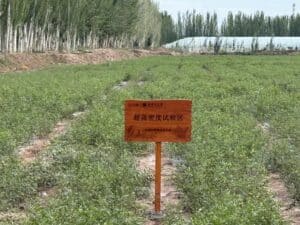
As drought‑tolerant and sand‑resistant herb, licorice fits perfectly with Minqin’s desert‑oasis ecological system. Modern plantations widely adopt drip irrigation and water‑fertilizer integration technology, saving water resource while improving rhizome quality. Licorice planting also serves ecological functions: its well‑developed root system stabilizes sand land and restores desertified soil, realizing mutual gain of herbal economy and desert control.
Distinct Quality Traits of GI‑Certified Minqin Licorice
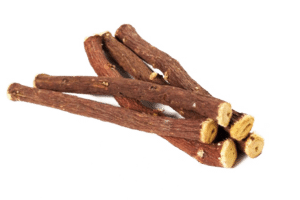
Minqin licorice gains reputation of “king of Chinese medicinal herbs” for its stable superior quality.Qualified GI‑standard Minqin licorice presents reddish‑brown tight bark, heavy texture, sufficient starch content, less coarse fiber and few fibrous rootlets. Its cross‑section shows clear cambium ring, with natural sweet flavour. Lab test proves its glycyrrhizic acid content reaches higher level compared with many other licorice producing zones, securing its core medicinal value for TCM formulas, herbal extracts, dietary‑supplement and cosmetic raw‑material supply.
Standardized Planting & Industrial Development
Modern Minqin licorise industry adopts standardized large‑scale cultivation. Most planting bases follow 3‑year harvesting cycle. “Enterprise + village collective + household” cooperation mode is widely applied across demonstration bases, unifying seedling selection, field management, harvesting and primary processing.Multiple local processing factories provide washing, slicing and drying service, delivering standardized licorice slices and raw rhizome for domestic and overseas buyers.
Local authority enforces strict quality supervision for geographical‑indication‑authorized products. Each batch of GI‑marked Minqin licorice needs quality inspection against official technical requirements, covering appearance indicator and active‑ingredient content, to guarantee every qualified consignment matches the GI‑product specification.
Application Value of Minqin Licorice
In traditional Chinese medicine, licorice works to harmonize herbal formula components, relieve cough, soothe sore throat and support gastrointestinal comfort. In modern industry, Minqin licorice raw material is supplied for pharmaceutical preparation, plant‑based extract production, health‑care goods and natural‑flavour additive sectors, enjoying steady demand from global herbal‑material purchasers.
FAQ
Q: What does geographical‑indication‑protected Minqin licorice mean?
A: It means the herb must be planted inside Minqin County administrative region, comply with official quality technical requirements, and obtain approval for using special geographical‑indication mark before sales.
Q: How long is Minqin licorice planting cycle?
A: Normally three‑year cultivation cycle before harvesting, which helps sufficient accumulation of glycyrrhizic acid and flavonoid compounds.
Q: Why is Minqin suitable for licorice growing?
A: Slightly‑alkaline sandy soil, abundant sunlight, big day‑night temperature difference and clean water jointly build ideal habitat for Glycyrrhiza uralensis Fisch.






What a fascinating read! It’s amazing how something as humble as licorice can
Fascinating how desert conditions can create such prized medicinal plants! Minqin licorice sounds like a true hidden gem — the GI protection really shows how much China values its authentic herbal heritage. I’d love to know more about how it differs in taste or potency from regular licorice. Has anyone here actually tried