
If you deal with occasional acid reflux, heartburn, or that annoying burning sensation creeping up your chest after eating spicy food, heavy meals, or late-night snacks—you’ve probably hunted for gentle, natural solutions to fix it.
As a herbal pharmacist, I get asked all the time: Does licorice root actually work for acid reflux?
The short answer is yes—but not in the way antacids work. And here’s the super important part most people miss: regular licorice tea is not the best choice for long-term reflux relief. There’s a specific form of licorice that’s safe and effective for soothing your irritated esophagus and stomach lining.
Let’s break this down simply, no complicated medical jargon, just real practical knowledge.
Disclaimer: This article is for educational and wellness reference only. It is not a replacement for professional medical treatment. If you have chronic GERD, stomach ulcers, or persistent severe reflux, please consult a gastroenterologist.
Why acid reflux happens (in simple terms)
Most people think reflux is just “too much stomach acid”. But from a herbal medicine perspective, a lot of reflux issues aren’t from excess acid—they’re from a damaged, thin, or inflamed gut lining.
Your stomach makes acid on purpose to digest food. When your stomach and esophagus lining are strong and protected, acid doesn’t bother you. But once the mucosal barrier gets worn down by spicy food, caffeine, alcohol, stress, or irregular eating habits? Even normal levels of stomach acid will cause burning, heartburn, and sour reflux.
This is exactly where licorice root shines.
How licorice root helps acid reflux (the real mechanism)
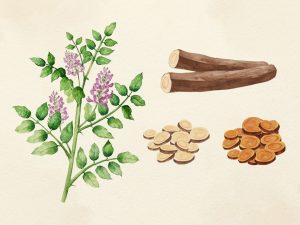
Licorice root is a classic herb in both traditional Chinese medicine and Western herbalism for digestive issues. Unlike quick-fix antacids that neutralize acid temporarily, licorice works to repair and protect your gut lining.
Here are its three core benefits for reflux:
1. Builds a protective mucus barrier
Licorice stimulates your digestive tract to produce more protective mucus. Think of it like applying a natural “soothing coating” over your stomach and esophagus wall.
Once this barrier is thicker, stomach acid can’t directly irritate the inflamed tissue. That’s why many people feel that burning heartburn calm down steadily after using licorice consistently.
2. Reduces gut inflammation
Chronic reflux always comes with low-grade inflammation in the upper digestive tract. Licorice’s active compounds naturally soothe this internal inflammation, easing soreness, chest burning, and that tight uncomfortable feeling after meals.
3. Aids mild tissue repair
If you’ve had recurring reflux for weeks or months, your esophageal lining is likely slightly damaged. Licorice supports gentle tissue recovery, fixing the root sensitivity instead of just masking symptoms.
Regular licorice vs DGL licorice (critical difference)
This is the biggest mistake I see people make:
Drinking daily licorice tea for reflux is not safe long-term.
Standard licorice root containsglycyrrhizin. This compound is great for inflammation relief, but if you take it every day for weeks, it can cause:
- High blood pressure
- Water retention / bloating
- Low potassium levels
- Heart palpitations in sensitive people
That’s why for reflux treatment, herbal practitioners almost always recommend DGL (Deglycyrrhizinated Licorice).
DGL is simply licorice with the glycyrrhizin removed. It keeps all the gut-healing benefits but eliminates the side effects. It’s safe for daily, consistent use for reflux and mild gastritis.
The best way to take licorice for acid reflux (pharmacist tip)
If you want real results, follow this routine—it’s way more effective than random tea sipping:
Take DGL chewable tablets 20–30 minutes before meals.
Chew them slowly and thoroughly. Don’t swallow whole.
Why before meals? Because this lets the licorice compounds coat your stomach and esophagus before food and acid arrive, creating a full protective layer.
If you get sudden heartburn after eating, you can also take one serving immediately to soothe the flare-up.
For mild occasional reflux: Use as needed
For consistent chronic mild reflux: Use daily for 2–4 weeks to repair the gut lining
Who should avoid licorice (even DGL)
Licorice is natural, but it’s not for everyone. Avoid regular use if you have:
- High blood pressure or hypertension
- Heart conditions
- Kidney issues
- Low potassium
- Pregnancy or breastfeeding
- You’re on blood pressure meds, diuretics, or steroids
FAQs (Real questions I get daily)
Q: Can licorice cure acid reflux permanently?
A: No herb can “cure” reflux overnight. Licorice repairs your gut lining so reflux happens less often. But long-term relief still depends on your diet, sleep posture, stress levels, and avoiding trigger foods.
Q: Is licorice better than antacids?
A: Antacids give instant relief but don’t fix the root problem. Licorice works slower but heals the sensitive digestive lining. They can even be used together for stubborn reflux.
Q: Can I drink licorice tea every day for heartburn?
A: I don’t recommend it. Regular licorice tea has glycyrrhizin. Stick to DGL supplements for daily reflux support to avoid side effects.
Q: How fast does DGL licorice work?
A: Many people feel soothing relief within 10–20 minutes for acute heartburn. For consistent gut repair and fewer reflux episodes overall, give it 2–3 weeks of daily use.
Final pharmacist takeaway
Licorice root is one of the safest, most gentle herbal tools for acid reflux and irritated digestion. It doesn’t just numb the pain—it actively repairs the sensitive mucosal lining that causes most reflux discomfort.
Just remember one rule: For reflux, always choose DGL licorice over regular licorice tea for long-term use.
¡Qué artículo tan útil! Siempre he tenido problemas con la acidez después de cenas copiosas, y la raíz de regaliz me ha funcionado de maravilla. Me alegra ver que una farmacéutica lo confirma, porque a veces uno duda de los remedios naturales. Lo probaré en infusión la próxima vez que tenga ardor. ¡Gracias por compartir!
Interessanter Artikel! Ich habe Süßholzwurzel selbst gegen Sodbrennen ausprobiert und war echt überrascht, wie gut sie wirkt. Wichtig ist aber, auf die Dosis zu achten – bei mir hat eine T