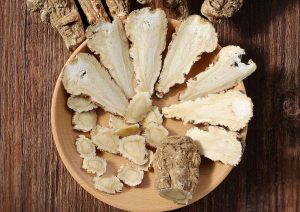
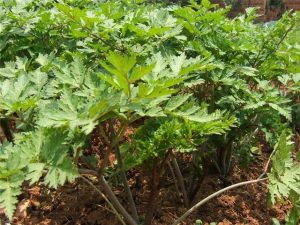
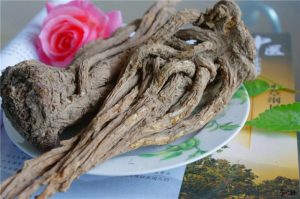
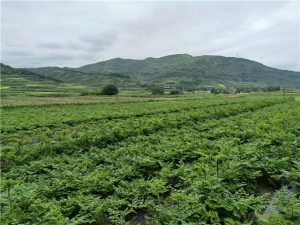
Dong Quai (Angelica sinensis) is a traditional herbal remedy that can ease premenstrual bloating, but it works only for specific root causes of PMS bloating, and it is not effective for all types of pre‑period abdominal distension.
How Dong Quai Helps Relieve PMS Bloating
- Improve pelvic blood stasis and congestion A major trigger of PMS bloating is pelvic venous congestion before menstruation. Stagnated blood flow causes fluid retention, lower‑abdomen swelling, heavy feeling in pelvis. Ligustilide in dong quai promotes uterine and pelvic microcirculation, reduces local congestion, and relieves distension originating from pelvic stasis.
- Smooth liver‑qi stagnation linked to hormonal fluctuation Stress, mood swings before periods trigger liver‑qi stagnation in TCM theory. This condition brings abdominal bloating, breast tenderness, irritability, and sluggish digestion. Dong quai nourishes blood while soothing constrained liver qi, reducing gas buildup and abdominal fullness.
- Regulate prostaglandin balance Excess prostaglandins before menstruation disturb intestinal motility, causing gut bloating and cramping. Dong quai moderates over‑produced prostaglandins, easing both uterine cramping and associated gastrointestinal discomfort.
- Note on water retention bloating Dong quai has no strong diuretic effect. It cannot directly eliminate simple water‑weight bloating caused by sodium retention. Best results happen when bloating comes together with blood stasis signs.
Which PMS bloating responds best to Dong Quai
✅ Suitable profile
- Bloating starts 3‑7 days before period, paired with lower pelvic pressure, dark menstrual blood with clots
- Accompanying symptoms: pre‑period breast tenderness, mood irritability, painful cramps
- Bloating eases once menstrual flow begins
❌ Poor response / avoid scenario
- Pure water‑retention bloating: whole‑body edema, swollen hands and ankles, weight gain from salt and hormone‑driven fluid retention
- Bloating with heavy, bright‑red pre‑menstrual flow; dong quai’s blood‑activating property may worsen bleeding
- Bloating caused by IBS, food intolerance, or digestive disease unrelated to menstrual cycle
Practical Usage Protocol for PMS Bloating
Timing rule: start 5‑7 days before expected period; stop completely once menstruation arrives. Do not consume during active bleeding.
Formula 1: Dong Quai‑Rose Tea (qi‑stagnation bloating, irritability, breast soreness)
- Dong quai 2 g, dried rose 3‑4 buds
- Pour hot water, steep 12‑15 minutes, drink once daily
- Purpose: relieve bloating, emotional tension and pre‑period breast distension
Formula 2: Dong Quai‑Ginger Tea (cold‑stasis bloating, cold lower abdomen, clotty menses)
- Dong quai 2‑3 g, fresh ginger 2 slices
- Simmer 15 minutes; best for users with cold belly and cold hands‑feet alongside bloating
Formula 3: Weekly tonic soup (for recurrent monthly PMS)
Dong quai 3 g, astragalus, jujube, stew with chicken. Take after menstruation ends to condition baseline for the next cycle, reduce PMS severity proactively.
Helpful Synergistic Herbs
- Add Poria cocos: mild diuretic action, improves combined congestion + fluid retention bloating
- Add Cyperus rotundus: enhances qi‑moving effect for severe gas and abdominal distension
Contraindications & Precautions
- Discontinue when menstruation begins. If you have heavy menstrual flow, do not use dong quai for PMS at all, risk of excessive bleeding.
- If you take blood‑thinning medications (warfarin, aspirin), avoid dong quai due to bleeding risk.
- Pregnant people must not take dong quai.
- If monthly bloating is persistent, paired with severe pain, abnormal discharge, consult gynecologist to rule out endometriosis, ovarian cysts and other organic conditions.
- Expect gradual improvement: allow 2‑3 consecutive menstrual cycles to observe full PMS relief.
Summary
Dong quai works well for PMS bloating caused by pelvic blood stasis and liver‑qi stagnation, typically with pelvic pressure, menstrual clots, mood irritability and cramps. It is less effective for simple sodium‑driven water‑retention edema. Use pre‑menstrually only and halt intake at period onset.