
Both are popular for women’s hormone & menopause symptoms, but they work in completely different ways, safety profiles and best uses.
1. Plant Identity & Active Compounds
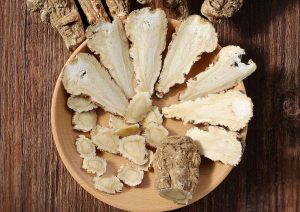
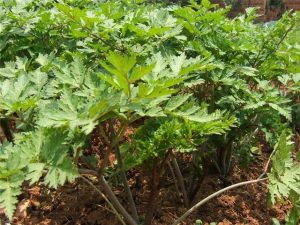
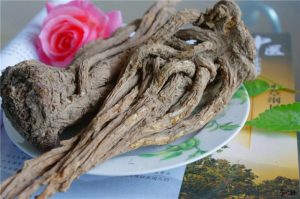
- Chinese herb; member of the celery/umbellifer family
- Main actives: ligustilide, ferulic acid, volatile oils
- Class: blood tonic / blood-moving herb
Black Cohosh (Actaea racemosa / Cimicifuga racemosa)
- Native North American herb (buttercup family)
- Main actives: triterpene glycosides (cimicifugoside)
- Class: hormone modulator, nervous system balancer
2. How they act on hormones (The biggest difference)
Dong Quai
Contains mild phytoestrogens.
It weakly binds to estrogen receptors.
- Nourishes blood, improves pelvic circulation
- Targets blood stagnation: cold extremities, clotty painful periods
- Does not directly lower LH/FSH hormones
- More focused on circulation, fatigue, blood deficiency
Black Cohosh
Non-estrogenic (critical distinction!)
It does NOT contain phytoestrogens.
It works on the hypothalamus-pituitary axis:
- Reduces elevated luteinizing hormone (LH) which triggers hot flashes
- Calms the nervous system; eases anxiety, mood swings
- Does not feed estrogen-sensitive tissue
Huge clinical takeaway:
✅ Black cohosh: preferred choice for people who need to avoid estrogen-like compounds (fibroids, ER+ breast cancer concerns, endometriosis)
⚠️ Dong quai has phytoestrogen activity; caution with hormone-sensitive growths
3. Primary Uses — What each is best for
Dong Quai strengths
- Irregular, delayed, clotty, painful periods
- Chronic blood deficiency fatigue, dizziness, pale complexion
- Cold hands & feet, poor pelvic circulation
- Postpartum recovery (after childbirth)
- Stagnation-related PMS
Less ideal: Severe hot flashes as the main complaint
Black Cohosh strengths
- Hot flashes, night sweats (menopause / perimenopause)
- Mood swings, irritability, sleep disturbance from hormone shifts
- Nervous tension, racing thoughts during hormonal transitions
- Menopausal joint aches
Less ideal: Fixing very stagnant, clotty periods
4. Safety & Contraindications Side-by-Side
Dong Quai risks
- Photosensitivity (sun burn risk)
- Blood-moving effect: avoid during heavy bright-red bleeding
- Interacts with blood thinners (warfarin)
- Not recommended in pregnancy
- Estrogen receptor stimulation risk for fibroids, endometriosis
Black Cohosh risks
- Mild liver sensitivity (rare; discontinue if jaundice/dark urine)
- Can cause mild stomach upset, headache at high doses
- Should be avoided in pregnancy
- Safer for estrogen-sensitive conditions compared to dong quai
- No photosensitivity
5. Cycle Timing Guidance
Dong quai
Strict cycle use: only follicular phase (post-period until ovulation); pause luteal phase.
Black cohosh
May be taken on longer continuous courses; commonly used 12 weeks on / 2 week rest rotation. Does not rely on menstrual blood-moving principles.
Simple Comparison Table
| Feature | Dong Quai | Black Cohosh |
|---|---|---|
| Origin | Traditional Chinese Medicine | Native American herbal medicine |
| Estrogen activity | Weak phytoestrogen binding | Non-estrogenic |
| Main target | Blood circulation, blood deficiency | Hypothalamus, hot flashes, mood |
| Top symptom match | Painful clotty periods, cold extremities, fatigue | Hot flashes, night sweats, menopause mood issues |
| Sun sensitivity risk | ✅ Yes | ❌ No |
| Best known pairing | Red dates, ginger, white peony | Passionflower, chaste tree berry (vitex) |
6. Can you take them together?
Yes, many herbal combinations pair both:
- For women with both poor circulation AND severe hot flashes But always start at low doses, monitor:
- Breast tenderness
- Breakthrough spotting
Common Confusion Cleared
❌ Myth: “They both treat menopause so they are interchangeable.”
✅ Fact:
If your main problem is hot flashes & anxiety → black cohosh often better.
If your main problem is period pain, cold hands, stagnant cycles → dong quai often better.
Quick Summary Choice Guide
Choose Dong Quai if you have:
Painful clotty periods, chronically cold limbs, low energy from blood deficiency.
Choose Black Cohosh if you have:
Dominant hot flashes, night sweats, menopausal irritability and you wish to avoid phytoestrogen exposure.
Important clinical note for cancer survivors
If you have ER-positive breast cancer history:
Most oncologists favour black cohosh over dong quai due to the lack of phytoestrogen activity.
Still confirm approval with your oncology team.
Great breakdown! I’ve been confused about these two for ages—my friend swears by dong quai, but my doctor mentioned black cohosh. It’s so helpful to see them side by side, especially the safety notes. Quick question: do you have any advice on which one is better for someone who’s sensitive to estrogen-like effects? Thanks for clarifying the “blood tonic” part!
บทความมีประโยชน์มากค่ะ เคยลองทั้งสองตัวตอนวัยทองพอดี แต่รู้สึกว่าโสมผู้หญิงช่วยเรื่องปวดท้องเมนส์ได้ดี ส่วน black cohosh ช่วยเรื่องร้อนวูบวาบจริงๆ แต่อยากรู้ว่าทานร่วมกับยาหมอแผนปัจจุบันได้มั้ยคะ กลัวตับจะทำงานหนัก ขอบคุณที่อธิบายความต่างชัดเจนแบบนี