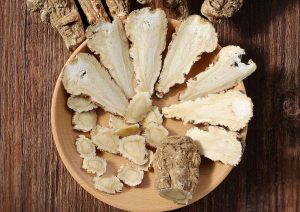
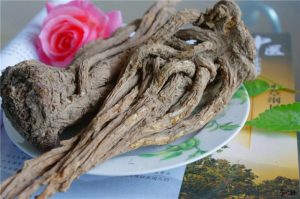
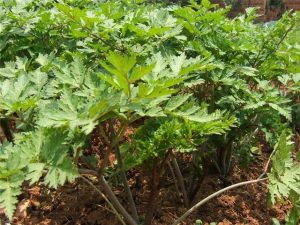
Dong quai offers supportive benefits for some women with PCOS, but it is NOT a standalone treatment for PCOS hormone imbalance.
Results depend heavily on your PCOS subtype. It works best for PCOS marked by pelvic blood stagnation + blood deficiency, but it cannot directly lower elevated androgens (testosterone) on its own.
How Dong Quai may assist PCOS
- Improves ovarian & uterine pelvic circulation Many people with PCOS have sluggish blood flow around the ovaries. Congestion worsens cyst formation, painful ovulation-like pelvic aching, and irregular delayed cycles. Ligustilide boosts microcirculation, easing ovarian stagnation.
- Regulates erratic menstrual cycles caused by stagnation PCOS often leads to long, skipped, anovulatory cycles. Dong quai supports healthier endometrial turnover; for those who finally get a period, flow may become less clotty and more consistent over time.
- Eases secondary PMS & menopausal-like symptoms If you have PCOS alongside fluctuating estrogen, hot flashes, fatigue or mood swings, dong quai’s gentle hormone receptor balancing can reduce these discomforts.
- Supports nutrient utilisation to fight PCOS fatigue Chronic exhaustion, brain fog, cold extremities commonly accompany blood deficiency-type PCOS. As a blood tonic, it improves energy and circulation linked to poor oxygen delivery.
Key Limitation — The biggest PCOS barrier
The classic hallmark of insulin-resistant PCOS is elevated androgens (testosterone): excess male hormones cause acne, facial hair, scalp hair loss, ovarian cyst development.
✅ Critical truth:
Dong quai does NOT lower testosterone.
It has no direct anti-androgen action. If your main issues are high androgens, dong quai alone will not resolve acne, hirsutism or cyst growth driven by testosterone.
Which PCOS patients tend to respond better
✅ Better candidates:
- Irregular, delayed, scanty, dark clotty periods
- Cold lower abdomen, chronically cold hands & feet
- PCOS without severe insulin resistance (mild blood sugar spikes only)
- Unexplained infertility with PCOS and poor pelvic circulation
❌ Expect minimal results if:
- Severe insulin-resistant PCOS, persistent high fasting insulin
- Dominantly high testosterone, obvious hirsutism, constant cyst breakouts
- Large persistent ovarian cysts requiring medical monitoring
Realistic expectations
Dong quai will usually not:
- Reverse polycystic ovarian morphology on ultrasound
- Normalise insulin levels by itself
- Clear androgen-driven skin/hair symptoms
It CAN:
- Improve cycle regularity over 2–3 months
- Reduce pelvic cramping and period pain
- Boost energy and improve circulation
Safe Usage Guidelines for PCOS
- Take only in the follicular phase (after menstruation ends until ovulation).
- Pause fully after ovulation (two-week wait if TTC) to avoid disrupting implantation.
- Stop during heavy menstrual bleeding.
- Best practice: Pair dong quai with insulin-supporting, anti-androgen herbal ingredients (white peony root is a very common combination for PCOS).
Important Warning
Do not rely solely on dong quai for PCOS.
A full PCOS-support formula often combines: dong quai + white peony + cinnamon + astragalus, alongside diet/lifestyle changes (low refined sugar, movement, balanced carbs).
Summary
Dong quai is a supportive adjunct herb for PCOS. It improves pelvic circulation, regulates stagnant irregular cycles and eases fatigue, but it cannot directly reduce high testosterone or fix severe insulin resistance. For meaningful hormone balance in PCOS, you will almost always need additional herbs and lifestyle adjustments alongside it.
Quick FAQ
Q: Can dong quai shrink ovarian cysts from PCOS?
A: It may slow new cyst formation by improving circulation, but it cannot reliably shrink existing functional ovarian cysts on its own.
Q: Should I take dong quai every single day long-term with PCOS?
A: Use cyclic on/off scheduling (follicular phase only) rather than continuous daily intake, to prevent overstimulating hormone receptors.