
Chronic and acute inflammation are the root triggers of most common human discomforts and chronic conditions, including skin irritation, respiratory issues, digestive inflammation, joint soreness, and hormonal inflammatory reactions. Acute inflammation is the body’s short-term defensive response to injury or infection, while low-grade chronic inflammation silently damages tissues, weakens immunity, and accelerates aging. Licorice root (Glycyrrhiza glabra) is a core anti-inflammatory adaptogenic herb in modern phytotherapy and traditional herbal medicine. Rich in glycyrrhizic acid, liquiritigenin, and potent flavonoid antioxidants, it delivers broad-spectrum systemic and local anti-inflammatory effects, calming inflammation across the skin, respiratory tract, digestive system, and internal organs. This article explains licorice root’s core anti-inflammatory mechanisms, full-body benefits, standardized dosage protocols, and essential safety guidelines.
1. How Licorice Root Reduces Inflammation (Core Mechanisms)
Licorice root works similarly to mild natural corticosteroids, targeting inflammatory signaling pathways at the cellular level to suppress both acute swelling and persistent chronic low-grade inflammation:
Blocks Key Pro-Inflammatory Cytokines
Persistent inflammation is driven by overexpressed inflammatory mediators including TNF-α, IL-6, and IL-1β. Licorice root’s active compounds significantly inhibit the production and release of these pro-inflammatory cytokines, shutting down excessive inflammatory responses throughout the body. This systemic suppression reduces tissue redness, swelling, heat, and chronic inflammatory damage without harsh immune suppression.
Inhibits NF-κB Inflammatory Signaling Pathway
The NF-κB pathway is the master switch that activates sustained inflammation, oxidative stress, and immune overreaction. Glycyrrhizic acid effectively downregulates NF-κB activity, blocking the root pathway that causes long-term low-grade inflammation. This mechanism explains licorice’s wide-ranging benefits for skin, gut, respiratory, and joint inflammatory conditions.
Neutralizes Oxidative Stress & Free Radicals
Oxidative stress is tightly linked to chronic inflammation, creating a vicious cycle that worsens tissue damage. Licorice flavonoids act as powerful natural antioxidants, neutralizing excess free radicals, reducing lipid peroxidation, and protecting cell membranes from oxidative injury. Breaking the inflammation-oxidative stress cycle stabilizes overall bodily inflammatory status.
Modulates Immune Overactivity
Many inflammatory issues stem from overactive or imbalanced immune responses, including allergic inflammation, autoimmune-related mild irritation, and post-infection inflammatory lingering. Licorice root gently modulates immune function, calming excessive immune reactivity while maintaining normal immune defense, preventing unnecessary inflammatory tissue damage.
Supports Mucosal Inflammation Repair
Licorice root uniquely repairs inflamed mucosal tissues across the respiratory tract, digestive tract, and skin mucosa. It soothes mucosal swelling, reduces exudation, and promotes tissue healing, making it ideal for all kinds of superficial and visceral mucosal inflammatory conditions.
2. Full-Body Anti-Inflammatory Benefits
- Relieves skin inflammation: Calms redness, swelling, itching, and irritation from eczema, psoriasis, acne, rashes, and allergic skin reactions.
- Soothes respiratory inflammation: Reduces throat swelling, bronchial irritation, sinus inflammation, and post-viral respiratory inflammatory lingering.
- Eases digestive tract inflammation: Relieves gastric mucosal inflammation, intestinal irritation, and mild gut inflammatory discomfort.
- Reduces systemic chronic inflammation: Lowers whole-body low-grade inflammation linked to fatigue, hormonal imbalance, and accelerated aging.
- Alleviates mild joint inflammatory soreness: Reduces inflammatory swelling and stiffness for mild exercise-induced or chronic joint discomfort.
- Calms infection-related inflammation: Assists recovery from viral or bacterial-induced local inflammation to shorten illness duration.
3. Optimal Usage & Dosage for Inflammation Relief
Licorice root for inflammation supports both acute symptomatic relief and long-term chronic inflammatory conditioning, with clear dosage and cycling rules to ensure safety and efficacy:
Standardized Licorice Extract (Systemic Inflammation)
For chronic low-grade inflammation, recurrent inflammatory skin/respiratory issues, and persistent mild discomfort, take 200–300mg standardized licorice root extract daily, split into morning and evening doses. Concentrated active ingredients deliver stable systemic anti-inflammatory regulation for consistent bodily balance.
Licorice Root Tea (Mild Acute Inflammation)
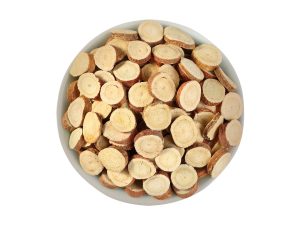
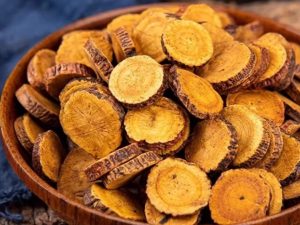
For acute throat, respiratory, or mild digestive inflammation, steep 3–5g dried licorice root slices in 250ml boiling water for 10–15 minutes. Drink warm 1–2 times daily, with a maximum daily intake of 10g. Ideal for quick soothing of temporary inflammatory symptoms.
Intermittent Cycling Rule
For long-term chronic inflammation management, follow safe intermittent cycles: 6 weeks of continuous use, followed by 2 weeks off. This avoids glycyrrhizic acid accumulation while sustaining steady anti-inflammatory effects, preventing side effects from prolonged continuous intake.
Synergistic Herbal Pairings
Pair licorice root with complementary anti-inflammatory herbs for enhanced effects. Combine with turmeric for stronger systemic inflammation reduction, marshmallow root for mucosal inflammation repair, chamomile for allergic inflammatory soothing, and ginger for joint and digestive inflammatory relief.
4. Critical Safety Rules & Contraindications
Licorice root is a gentle, effective anti-inflammatory herb for short-term and cycled long-term use, but improper continuous intake may cause systemic side effects. Strict safety guidelines must be followed:
Avoid Uninterrupted Long-Term Oral Use
Uncycled daily oral use exceeding 6 weeks can lead to glycyrrhizic acid buildup, causing sodium-water retention, elevated blood pressure, and hypokalemia. Always adopt intermittent cycling for chronic inflammation conditioning. Topical licorice application has no systemic risks and is safe for long-term local inflammatory relief.
High-Risk Groups (No Oral Use / Cautious Use)
- Hypertension, heart disease, kidney disease patients: Avoid oral licorice due to fluid retention and blood pressure elevation risks; topical use is safe.
- Pregnant and breastfeeding women: Prohibit oral supplementation; consult a healthcare provider before topical use.
- Low potassium patients and severe diabetic patients: Avoid oral licorice to prevent physical condition fluctuations.
- Hormone-sensitive conditions: Use oral licorice cautiously due to mild phytoestrogen activity.
Drug Interactions
Oral licorice root may interact with antihypertensive drugs, diuretics, cardiac medications, corticosteroids, and anti-inflammatory prescription drugs. Individuals on long-term medication must consult a medical professional before using licorice for inflammatory conditioning.
5. Research Background
Modern pharmacological studies fully validate licorice root’s broad-spectrum anti-inflammatory efficacy. Glycyrrhizic acid and liquiritigenin are proven potent natural inhibitors of NF-κB and major pro-inflammatory cytokines. Multiple clinical trials confirm that licorice root effectively reduces acute and chronic inflammation across skin, respiratory, digestive, and systemic levels, improving inflammatory symptoms with high safety when used in standardized doses and cycles.
Final Summary
Licorice root is a versatile full-spectrum natural anti-inflammatory herb, effective for acute inflammatory symptoms and chronic low-grade systemic inflammation. It suppresses core inflammatory pathways, reduces oxidative stress, modulates immune overactivity, and repairs damaged mucosal and soft tissues throughout the body. For safe and optimal results, use warm licorice tea for acute inflammation and standardized extract in intermittent cycles for long-term inflammatory regulation. Severe persistent inflammatory conditions require professional medical diagnosis and targeted treatment.





Très intéressant ! J’utilise la racine de réglisse en tisane pour apaiser mes inflammations digestives, et ça m’aide vraiment. Merci pour ces précisions sur le dosage et les précautions, c’est essentiel car on a tendance à en abuser
甘草根真的是被低估的好物!之前皮膚過敏發炎時試過含甘草萃取的精華,退紅效果意外地好。文章把急性跟慢性發炎的機制講得很清楚,尤其是長期慢性發炎對免疫系統的傷害,現代人真的要多注意。不過甘草鉀鹽跟甘草酸的差異,以及每日安全劑量,還是建議大家多諮詢專業醫師再補充,不要自己亂抓來喝。