Massage
Massage Knowledge
Massage Technique
stroking manipulation
push massage
Seated Massage
Tui Na contraindications

Ma Miao’er

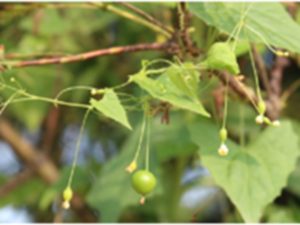
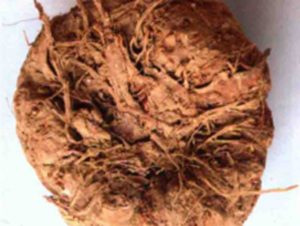
Ma Diao’er, a name in traditional Chinese medicine. It refers to the tuberous root or the whole plant of Zehneria indica (Lour.) Keraudren, a member of the Cucurbitaceae family. It is distributed in Jiangsu, Zhejiang, Jiangxi, Fujian, Hubei, Hunan, Guangdong, Guangxi, Sichuan, Guizhou, and Yunnan. It has the effects of clearing heat and detoxifying, reducing swelling and dispersing nodules, resolving phlegm, and promoting urination.It is primarily used to treat boils, abscesses, and swellings; phlegm nodules and scrofula; sore throat; mumps; calculous urinary tract obstruction; difficulty urinating; skin eczema; red eyes and jaundice; hemorrhoids and fistulas; rectal prolapse; bleeding from external injuries; and venomous snake bites.

Verbena

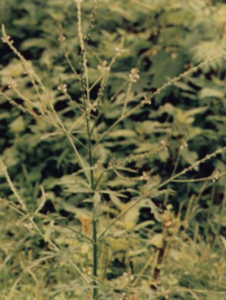
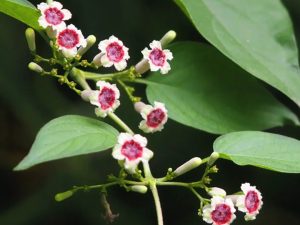
Verbena is a herb used to promote blood circulation and regulate menstruation. It consists of the dried aerial parts of Verbena officinalis L., a plant of the Verbenaceae family, and is primarily produced in Hubei, Jiangsu, Guizhou, and Guangxi.This herb has the effects of promoting blood circulation, dispersing blood stasis, detoxifying, promoting diuresis, alleviating jaundice, and treating malaria. It is primarily used to treat masses and accumulations, dysmenorrhea and amenorrhea, sore throat, boils and swellings, edema, jaundice, and malaria.

Konjac

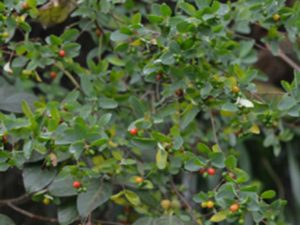
Konjac is the name of a traditional Chinese medicinal material. It refers to the tubers of the following plants in the genus Amorphophallus of the Araceae family: Amorphophallus rivieri Durieu, Amorphophallus sinensis Belval, Amorphophallus variabilis Bl., andDongchuan konjac (Amorphophallus mairei Lévl.). It has the effects of resolving phlegm and eliminating food stagnation, detoxifying and dispersing nodules, and promoting blood circulation to relieve pain. It is primarily used to treat phlegm-related coughs, food stagnation, malaria, scrofula, masses and masses, trauma, boils, carbuncles, erysipelas, scalds and burns, and snake bites.

Blunt-leaved Grass

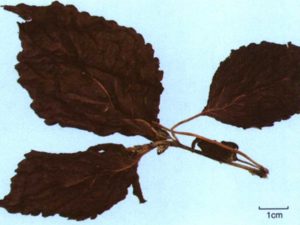
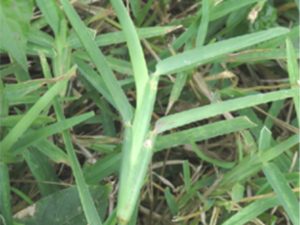
Stenotaphrum, a name in traditional Chinese medicine. It refers to the whole plant of Stenotaphrum helferi Munro ex Hook. f., a member of the Poaceae family. It is distributed in Guangdong, Guangxi, Yunnan, and other regions. It has the effects of tonifying qi and inducing labor. It is commonly used for gastric ptosis, uterine prolapse, habitual miscarriage, and dystocia.

Back Muscle Grasping and Twisting Massage for Wind-Cold Relief

During prone position massage, the patient lies prone with both lower limbs straightened. A small pillow is placed beneath the ankle joints, and both hands are positioned under the chin or in front of the head, allowing for free breathing. Technique & Patient assumes a prone position for massage, with the massage therapist standing on … Read more
Back and Waist Separate Pushing: Dispelling Wind & Regulating Qi

During prone position massage, the patient lies prone with both lower limbs straight, a small pillow placed beneath the ankle joints, and both hands positioned under the chin or in front of the head, breathing freely. Technique: The patient assumes a prone position for massage, and the massage therapist stands on the patient’s left side. … Read more

Two Spinal Pinching Techniques for Dispelling Wind and Digestion

During prone position massage, the patient lies prone with both lower limbs extended straight, a small pillow placed beneath the ankle joints, and both hands positioned under the chin or in front of the head, breathing freely. Technique & Patient assumes a prone position for massage, with the massage therapist standing on the patient’s left … Read more

Overlapping-Palm Kneading: Prone Full Body Massage Technique

During prone position massage, the patient lies prone with both lower limbs straight, a small pillow placed beneath the ankle joints, both hands positioned under the chin or in front of the head, and breathes freely. Technique & Patient assumes a prone position for massage, with the massage therapist standing on the patient’s left side. … Read more

How to Perform Whole-Body Stroking and Pushing Massage

During prone position massage, the patient lies prone with both lower limbs straight, a small pillow placed beneath the ankle joints, both hands positioned under the chin or in front of the head, and breathes freely. Technique & Patient assumes a prone position for massage, with the massage therapist standing on the patient’s left side. … Read more

Seated Massage Techniques for Carotid Health and Brain Nourishment

1. Dredge the carotid artery and promote cerebral blood supply – Neck Rubbing Method Manipulation Technique: The patient assumes a seated massage posture, and the massage therapist stands to the front right of the patient. Manipulation: The masseur supports the patient’s left head with the left hand, and uses the index and middle fingers of … Read more

Seated Massage Techniques: Opening Meridians and Nourishing the Brain

During seated massage: The patient sits upright on a stool with both arms hanging down naturally, eyes looking straight ahead, the whole body relaxed, and breathing freely, waiting for the masseur to start the massage. Seated massage techniques include: Tianmen Opening Method, Zhengding (Middle Vertex) and Du Meridian Vertex Pushing Method, and Pianding (Lateral Vertex) … Read more

Zhang Rulin’s Complete Set of Medical Massage Techniques Overview

This “Complete Set of Medical Massage Techniques” is a comprehensive and unique massage therapy method developed based on Zhang Rulin’s extensive clinical experience in massage. It has the following characteristics: Firstly, it represents the clinical crystallization of Zhang Rulin’s more than 30 years of efforts in medical massage, possessing special clinical significance and therapeutic effects. … Read more

Six Regulatory Massage Techniques to Balance Yin and Yang

In nature, there are distinctions between heaven, earth, sun, and moon; in the human body, there are differences between qi, blood, yin, and yang; wellness vary in deficiency, excess, mildness, and severity. Regulating manipulation techniques have the functions of harmonizing qi and blood, regulating zang-fu organs, smoothing the flow of qi, and balancing yin and … Read more

Reduction Techniques for Dislocation and Fracture Correction

Repositioning manipulation techniques have the efficacy of correcting dislocations and realigning broken bones. They can not only make the fractured ends and dislocated joints fit properly, restore slipped or displaced joints, muscles, tendons, ligaments, etc., and reconnect the disordered meridians, but also separate adhered tissues. These techniques are mainly used for the reduction of fractures, … Read more