
Chaihu with Mangxiao Decoction,*Treatise on Cold Damage*.,In cases of cold damage lasting 13 days without resolution, with fullness in the chest and flanks accompanied by vomiting, and a tidal fever occurring in the late afternoon followed by mild diarrhea—this is fundamentally a Bupleurum syndrome. Purgation failed to induce bowel movement; the physician then administered a purgative pill, which paradoxically caused diarrhea. The Shaoyang syndrome has passed its meridian without resolution.
Chaihu with Mangxiao Decoction
Disclaimer: These statements have not been evaluated by the Food and Drug Administration (FDA). This product is not intended to diagnose, treat, cure, or prevent any disease. All references in this article to TCM syndrome differentiation, herbal medicines, teas, and decoctions are intended to promote TCM culture and are provided solely for educational and reference purposes.
Formulas Name : Chaihu with Mangxiao Decoction
Chinese Name : 柴胡加芒消汤
Drug Formulation
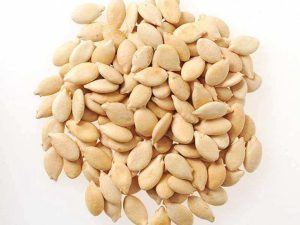
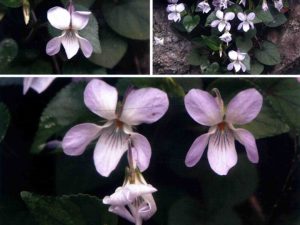
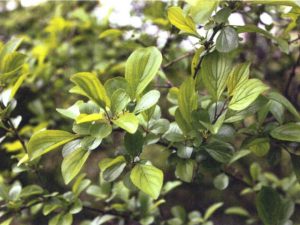
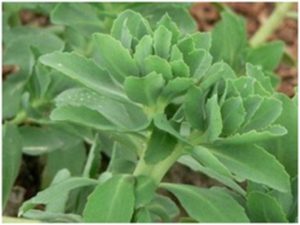
2 liang 16 zhu of Bupleurum, 1 liang of Scutellaria, 1 liang of Ginseng, 1 liang of Licorice (roasted), 1 liang of Fresh Ginger (sliced), 20 zhu of Pinellia (the original text states “5 pieces, washed”), 4 jujubes (split open), and 2 liang of芒消.
Source
*Treatise on Cold Damage*.
Benefits
In cases of cold damage lasting 13 days without resolution, with fullness in the chest and flanks accompanied by vomiting, and a tidal fever occurring in the late afternoon followed by mild diarrhea—this is fundamentally a Bupleurum syndrome. Purgation failed to induce bowel movement; the physician then administered a purgative pill, which paradoxically caused diarrhea. The Shaoyang syndrome has passed its meridian without resolution.
Instructions for Use
Boil the above ingredients in 4 sheng of water until reduced to 2 sheng; strain out the residue, add magnesium sulfate, and boil again until just simmering. Divide the decoction into two doses and take them warm; if the condition does not resolve, repeat the treatment.
Copyright: Excerpt from *Treatise on Cold Damage*., Copyright belongs to the Original Author and all original sources, This article was shared by DeDe on August 19, 2026, Please credit the source and include a link to the original article when reposting.
Terminology Proofreading: [Cheng Bo] | August 19, 2026 Reviewed by: [Wang Zhongxiang, Associate Chief TCM Physician (China)] | August 19, 2026
Correct Content Errors: Errors may occur during the writing, editing, translation, and publication of website content. If you find any errors or inaccurate information in this article, please feel free to Contact Us to report them, and we will correct them promptly.
FDA Disclaimer: The descriptions of the efficacy of Chinese herbal medicines, herbal teas, decoctions, and formulas, as well as the content on Traditional Chinese Medicine (TCM) diagnostic theory and traditional TCM therapies contained on this site, are intended solely for the purpose of popularizing TCM culture and serving as an educational reference; they do not constitute medical diagnosis or treatment advice. Please do not attempt to use these products on your own without proper guidance. These statements have not been evaluated by the Food and Drug Administration. This product is not intended to diagnose, treat, cure, or prevent any disease. If you are experiencing any physical discomfort, please consult a licensed healthcare professional and seek treatment at a reputable medical institution. This platform assumes no responsibility for any consequences resulting from the use of herbs or formulas by any individual based on the information provided on this site. Please read Medical Disclaimer.
Chaihu with Mangxiao Decoction,In cases of cold damage lasting 13 days without resolution, with fullness in the chest and flanks accompanied by vomiting, and a tidal fever occurring in the late afternoon followed by mild diarrhea—this is fundamentally a Bupleurum syndrome. Purgation failed to induce bowel movement; the physician then administered a purgative pill, which paradoxically caused diarrhea. The Shaoyang syndrome has passed its meridian without resolution.