
Decoction of Twenty-Four Ingredients to Regulate Qi,From *Collected Effective Formulas*, cited in Volume 3 of *Formulas of the Imperial Bureau* (*Newly Added Secret Formulas from Various Imperial Bureaus*).,For various conditions of qi stagnation and obstruction, distension of the chest and diaphragm, bitter taste in the mouth and dry throat, vomiting and poor appetite, and wandering, stabbing pain in the shoulders, back, abdomen, and flanks; as well as shortness of breath, phlegm-related cough, puffiness of the face and eyes, swelling and fullness of the limbs, severe constipation, and red, scanty, and painful urination; excessive worry and overthinking, mental confusion and emotional stagnation, wind-heat beriberi, nodular swelling and pain, and shortness of breath with fullness and tightness.
Decoction of Twenty-Four Ingredients to Regulate Qi
Disclaimer: These statements have not been evaluated by the Food and Drug Administration (FDA). This product is not intended to diagnose, treat, cure, or prevent any disease. All references in this article to TCM syndrome differentiation, herbal medicines, teas, and decoctions are intended to promote TCM culture and are provided solely for educational and reference purposes.
Formulas Name : Decoction of Twenty-Four Ingredients to Regulate Qi
Chinese Name : 廿四味流气饮
Drug Formulation
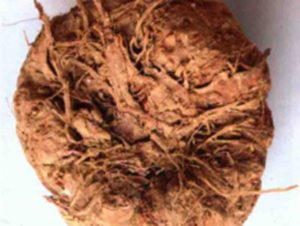
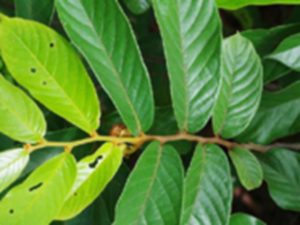
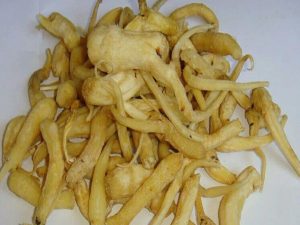
Pinellia (washed in boiling water 7 times) 2 liang, Aged Tangerine Peel (white pith removed) 2 jin, Magnolia Bark (coarse outer bark removed, processed with ginger, stir-fried) 1 jin, Green Tangerine Peel (white pith removed) 1 jin, Licorice (roasted) 1 jin,Cyperus Rhizome (roasted to remove hairs) 1 jin, Perilla Leaves (stems and branches removed) 1 jin, Ginseng 4 liang, Red Poria (black skin removed) 4 liang, Dried Papaya 4 liang, Atractylodes 4 liang, Angelica Dahurica 4 liang, Ophiopogon Tuber 4 liang, Cardamom Seeds 6 liang, Cinnamon Bark (coarse bark removed, not roasted) 6 liang, Alpinia Officinalis (steamed, sliced) 6 liang,6 liang of Areca Catechu peel, 6 liang of Clove peel, 6 liang of Areca nut, 6 liang of Wood Fragrance (not heated), 8 liang of Akebia (knots removed), 6 liang of Agarwood, 4 liang of Trifoliate Orange peel (pulp removed, stir-fried with wheat bran), and 2 liang of Rhubarb (wrapped in flour, stewed, flour removed, sliced).
Source
From *Collected Effective Formulas*, cited in Volume 3 of *Formulas of the Imperial Bureau* (*Newly Added Secret Formulas from Various Imperial Bureaus*).
Processing
Grind the ingredients into a coarse powder.
Benefits
For various conditions of qi stagnation and obstruction, distension of the chest and diaphragm, bitter taste in the mouth and dry throat, vomiting and poor appetite, and wandering, stabbing pain in the shoulders, back, abdomen, and flanks; as well as shortness of breath, phlegm-related cough, puffiness of the face and eyes, swelling and fullness of the limbs, severe constipation, and red, scanty, and painful urination; excessive worry and overthinking, mental confusion and emotional stagnation, wind-heat beriberi, nodular swelling and pain, and shortness of breath with fullness and tightness.
Instructions for Use
Take 4 qian per dose. Add 1.5 zhan of water, 3 slices of fresh ginger, and 2 jujubes. Decoct until reduced to 7 fen, strain, and drink while hot. For headaches due to cold damage at the onset of illness, add 3 cun of scallion white (including the root) to the decoction; this regulates the rise and fall of yin and yang, induces sweating, and brings immediate relief. To promote natural bowel movements, add glutinous rice to the decoction. For women with blood-qi masses or masses in the viscera, add mugwort and vinegar to the decoction. May be taken at any time.
Copyright: Excerpt from From *Collected Effective Formulas*, cited in Volume 3 of *Formulas of the Imperial Bureau* (*Newly Added Secret Formulas from Various Imperial Bureaus*)., Copyright belongs to the Original Author and all original sources, This article was shared by DeDe on August 30, 2026, Please credit the source and include a link to the original article when reposting.
Terminology Proofreading: [Cheng Bo] | August 30, 2026 Reviewed by: [Wang Zhongxiang, Associate Chief TCM Physician (China)] | August 30, 2026
Correct Content Errors: Errors may occur during the writing, editing, translation, and publication of website content. If you find any errors or inaccurate information in this article, please feel free to Contact Us to report them, and we will correct them promptly.
FDA Disclaimer: The descriptions of the efficacy of Chinese herbal medicines, herbal teas, decoctions, and formulas, as well as the content on Traditional Chinese Medicine (TCM) diagnostic theory and traditional TCM therapies contained on this site, are intended solely for the purpose of popularizing TCM culture and serving as an educational reference; they do not constitute medical diagnosis or treatment advice. Please do not attempt to use these products on your own without proper guidance. These statements have not been evaluated by the Food and Drug Administration. This product is not intended to diagnose, treat, cure, or prevent any disease. If you are experiencing any physical discomfort, please consult a licensed healthcare professional and seek treatment at a reputable medical institution. This platform assumes no responsibility for any consequences resulting from the use of herbs or formulas by any individual based on the information provided on this site. Please read Medical Disclaimer.

Decoction of Twenty-Four Ingredients to Regulate Qi,For various conditions of qi stagnation and obstruction, distension of the chest and diaphragm, bitter taste in the mouth and dry throat, vomiting and poor appetite, and wandering, stabbing pain in the shoulders, back, abdomen, and flanks; as well as shortness of breath, phlegm-related cough, puffiness of the face and eyes, swelling and fullness of the limbs, severe constipation, and red, scanty, and painful urination; excessive worry and overthinking, mental confusion and emotional stagnation, wind-heat beriberi, nodular swelling and pain, and shortness of breath with fullness and tightness.