
Herbal Decoction,*The Complete Works of Jingyue*, Volume 51.,All types of abscesses and toxic sores, various painful wounds and injuries, necrotic tissue and swelling, or conditions caused by stagnation of wind, cold, and dampness—such as wandering pain and edema.
Herbal Decoction
Disclaimer: These statements have not been evaluated by the Food and Drug Administration (FDA). This product is not intended to diagnose, treat, cure, or prevent any disease. All references in this article to TCM syndrome differentiation, herbal medicines, teas, and decoctions are intended to promote TCM culture and are provided solely for educational and reference purposes.
Formulas Name : Herbal Decoction
Chinese Name : 百草煎
Drug Formulation
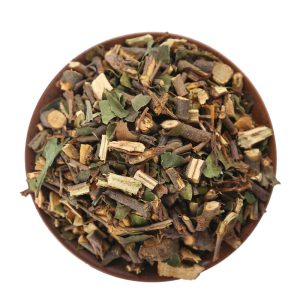
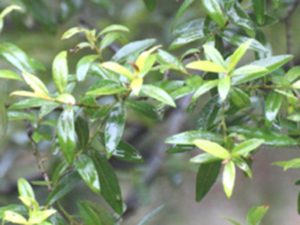
Hundred Herbs (any herbs found in fields, meadows, or mountains may be used, regardless of variety; however, mountain herbs are superior, and those with a pungent, aromatic scent are best; in winter, dried herbs may be used, provided they have been harvested in advance).
Source
*The Complete Works of Jingyue*, Volume 51.
Benefits
All types of abscesses and toxic sores, various painful wounds and injuries, necrotic tissue and swelling, or conditions caused by stagnation of wind, cold, and dampness—such as wandering pain and edema.
Instructions for Use
Regardless of the quantity available, use as much as possible to prepare a concentrated decoction. While still hot, use the steam to fumigate and wash the affected area. Then, dip a piece of cloth in the decoction and apply it to the area for an extended period, ensuring the medicinal vapors penetrate thoroughly, before applying other medications.Perform this 2–3 times daily as needed; more frequent applications are preferable. For treating ascites and swelling, use 20–30 jin of the herb each time to prepare 2–3 pots of concentrated decoction. Pour the decoction into a large basin, cover it with a mat or bamboo mat to shield it from the wind, and steam and wash the affected area for a long time, 1–2 times daily.
Copyright: Excerpt from *The Complete Works of Jingyue*, Volume 51., Copyright belongs to the Original Author and all original sources, This article was shared by DeDe on August 18, 2026, Please credit the source and include a link to the original article when reposting.
Terminology Proofreading: [Cheng Bo] | August 18, 2026 Reviewed by: [Wang Zhongxiang, Associate Chief TCM Physician (China)] | August 18, 2026
Correct Content Errors: Errors may occur during the writing, editing, translation, and publication of website content. If you find any errors or inaccurate information in this article, please feel free to Contact Us to report them, and we will correct them promptly.
FDA Disclaimer: The descriptions of the efficacy of Chinese herbal medicines, herbal teas, decoctions, and formulas, as well as the content on Traditional Chinese Medicine (TCM) diagnostic theory and traditional TCM therapies contained on this site, are intended solely for the purpose of popularizing TCM culture and serving as an educational reference; they do not constitute medical diagnosis or treatment advice. Please do not attempt to use these products on your own without proper guidance. These statements have not been evaluated by the Food and Drug Administration. This product is not intended to diagnose, treat, cure, or prevent any disease. If you are experiencing any physical discomfort, please consult a licensed healthcare professional and seek treatment at a reputable medical institution. This platform assumes no responsibility for any consequences resulting from the use of herbs or formulas by any individual based on the information provided on this site. Please read Medical Disclaimer.
Herbal Decoction,All types of abscesses and toxic sores, various painful wounds and injuries, necrotic tissue and swelling, or conditions caused by stagnation of wind, cold, and dampness—such as wandering pain and edema.