
Jinxian Ointment,From *Li Ye*.,For conditions caused by wind, cold, heat, and dampness; disorders involving qi, blood, phlegm, and food stagnation; the six types of stagnation and five types of accumulation; spleen and stomach disorders in the Central Plains; seasonal exogenous pathogens and internal injuries; conditions where the exterior and interior are indistinguishable; and mixed patterns of cold and heat that cannot be treated by a single therapeutic approach; summer conditions of heat-dampness and damp-heat with a predominance of yin dampness; all types of abdominal pain; menstrual cramps in women; intestinal worm pain in children; malaria; and dysentery.
Jinxian Ointment
Formulas Name : Jinxian Ointment
Chinese Name : 金仙膏
Drug Formulation
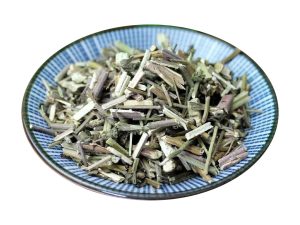
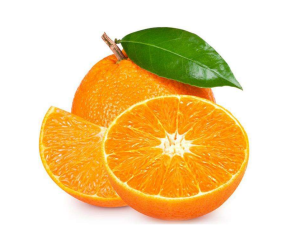
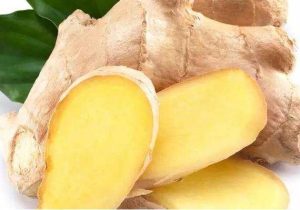
5 liang of Atractylodes lancea, 4 liang of Atractylodes macrocephala, 3 liang of Notopterygium incisum, 3 liang of Aconitum carmichaeli, 3 liang of Curcuma longa, 3 liang of raw Pinellia ternata (processed with ginger), 3 liang of Lindera aggregata, 3 liang of Ligusticum chuanxiong, 3 liang of Citrus aurantium, 3 liang of raw Rheum palmatum, 2 liang of raw Cyperus rotundus, 2 liang of fried Cyperus rotundus, 2 liang of raw Poria cocos, 2 liang of fried Poria cocos, 2 liang of raw Corydalis yanhusuo, 2 liang of fried Corydalis yanhusuo,Zhishi 2 liang, Huanglian 2 liang, ginger-processed Houpo 2 liang, Danggui 2 liang, Lingxian 2 liang, Hei Choutou (half-raw, half-roasted) 2 liang, Baren 2 liang, dried Huangqin 1 liang, Huangbai 1 liang, raw Puhuang 1 liang, Hei Shanzhi 1 liang, Chuan Yujin 1 liang, E Zhu 1 liang, Sanling 1 liang,Areca nut 1 liang, aged tangerine peel 1 liang, hawthorn 1 liang, barley malt 1 liang, Shenqu 1 liang, Pinellia tuber 1 liang, white Choutou 1 liang, bitter pennywort 1 liang, Perilla stem 1 liang, Agastache stem 1 liang, southern mint 1 liang, Aconite root 1 liang, Du Huo 1 liang,Bupleurum root 1 liang, Peucedanum root 1 liang, Asarum root 1 liang, Angelica dahurica root 1 liang, Schizonepeta spikelets 1 liang, Saposhnikovia root 1 liang, Forsythia fruit 1 liang, Dried Pueraria root 1 liang, Bitter Platycodon root 1 liang, Anemarrhena rhizome 1 liang, Large Fritillary bulb 1 liang, Euphorbia resin 1 liang, Euphorbia esculenta 1 liang,Yuanhua 1 liang, Fangji 1 liang, Trichosanthes Seed 1 liang, Abdominal Skin 1 liang, Tianhuafen 1 liang, Red Peony Root 1 liang, White Peony Root 1 liang, Trifoliate Orange Peel 1 liang, Yinchen 1 liang, Sichuan Melia Fruit 1 liang, Akebia Stem 1 liang, Alisma 1 liang, Plantain Seed 1 liang,Poria 1 liang, Xuanmugua 1 liang, Soapberry 1 liang, Bitter Apricot Kernel 1 liang, Peach Kernel 1 liang, Perilla Seed 1 liang, Amomum Seed 1 liang, Galangal 1 liang, Cardamom 1 liang, Evodia Fruit 1 liang, Safflower 1 liang, Trichosanthes Seed 1 liang, Castor Bean 1 liang, Dried Silkworm 1 liang, Whole Scorpion 1 liang,centipede 1 liang, cicada slough 1 liang, raw pangolin scales 1 liang, raw licorice root 1 liang, hair ball 3 liang, ground talc 4 liang, fresh ginger 1 jin, white part of green onion 1 jin, white part of Chinese chives 1 jin, white part of Chinese leek 1 jin, garlic bulbs 1 jin, red impatiens 1 jin, white impatiens (whole) 1 jin,1 jin of locust tree branches, 1 jin of willow branches, 1 jin of mulberry branches (or 4 liang if using Impatiens seeds), 8 liang of elm branches, 8 liang of peach branches (all with leaves attached), 2 liang of Acorus tatarinowii, 2 liang of radish seeds, 2 liang of dried ginger, 1 liang of aged Buddha’s hand, 1 liang of fennel seeds, and 1 liang of mugwort.
Source
From *Li Ye*.
Processing
Use a total of 40 jin of oil to decoct the mixture in batches and collect the elixir.Then add 4 liang each of purified pine resin and raw gypsum; 2 liang each of aged wall soil and alum; 1 liang each of realgar, mercury oxide, amomum, white mustard seed, Sichuan pepper, Guangxi frankincense, sandalwood, cassia bark, processed frankincense, and processed myrrh; and 4 liang of bovine glue (steamed with wine until dissolved, as described in the previous preparation method). Suhe oil may be added; add agarwood and musk just before use.
Benefits
For conditions caused by wind, cold, heat, and dampness; disorders involving qi, blood, phlegm, and food stagnation; the six types of stagnation and five types of accumulation; spleen and stomach disorders in the Central Plains; seasonal exogenous pathogens and internal injuries; conditions where the exterior and interior are indistinguishable; and mixed patterns of cold and heat that cannot be treated by a single therapeutic approach; summer conditions of heat-dampness and damp-heat with a predominance of yin dampness; all types of abdominal pain; menstrual cramps in women; intestinal worm pain in children; malaria; and dysentery.
Instructions for Use
For external pathogenic factors such as wind, cold, heat, and dampness causing headache and fever, apply to the chest after first rubbing the area with ginger; for internal injuries caused by improper diet resulting in fullness of the chest and diaphragm, apply to the painful area on the chest and above the navel using a mixture of radish seeds, bitter orange peel, wheat bran, and salt—stir-fried and applied as a warm compress;For coughs, apply to the chest and use a mixture of Atractylodes lancea, Fructus Aurantii, Chenpi, Pinellia ternata, Atractylodes macrocephala, Dried Ginger, and Sapindus fruit, stir-fried and applied as a warm compress (if the cough originates from the lungs, use Lung-Clearing Ointment; if from the stomach, use Stomach-Clearing Ointment; if from the kidneys, use Yin-Nourishing Ointment—do not use this ointment in such cases); for phlegm-induced wheezing or asthma, apply to the chest and back; for phlegm-retention, apply to the heart area;For epigastric discomfort, belching, acid regurgitation, or acid vomiting, apply to the epigastric region, or use a decoction of Atractylodes lancea, dried tangerine peel, Pinellia ternata, Coptis chinensis, Scutellaria baicalensis, Evodia rutaecarpa, and Shenqu to apply to the affected area; for nausea and dry retching, apply to the epigastric region, or use a decoction of reed root to apply to the epigastric region, mixed with Coptis chinensis powder;For hiccups and regurgitation, apply ginger juice, Chinese chive juice, or milk to the chest; mix genuine curcuma powder and impatiens seed powder into the ointment and apply it, then use a mixture of aged rice and yellow earth combined with the herbal ingredients from the “Liver-Regulating and Qi-Harmonizing Formula” to create a hot compress; for gastric inversion, apply to the epigastric region, first rubbing it with ginger juice or bamboo sap;For vomiting, apply a poultice to the epigastric region; for cold-induced cases, use a mixture of cloves, amomum, patchouli, aged tangerine peel, pinellia, and dried ginger; for heat-induced cases, use a mixture of Coptis, Pueraria root, white peony root, Scutellaria,Gardenia, and Bamboo Shavings, boiled with plum and applied as a paste; for cholera with vomiting and diarrhea, first rub the chest with fresh ginger, then apply a plaster mixed with aged dried Buddha’s Hand and alum powder to the chest and above the navel; for cases without vomiting or diarrhea, also rub the chest with fresh ginger and apply a plaster mixed with Acorus, White Cardamom, and Clove powder to the chest and above the navel;For abdominal masses, masses and lumps, abdominal distension, and stagnant qi, first rub the affected area with fresh ginger; then mix the ointment with medicinal powders and apply it. For the mixture, use 3 liang of garlic cloves,2 liang each of ginger and scallion whites; pound them together until pulverized, then add white mustard seeds, Sichuan pepper, impatiens seeds, red smartweed seeds or flowers, rhubarb, mirabilite, realgar, mercury oxide, alum,and aged lime—each 2 qian. Grind into a fine powder, mix thoroughly, and air-dry. When ready to use, mix a small amount into the ointment and apply. Alternatively, mix a small amount with wheat starch and vinegar to form a paste and apply over the ointment. Then, use wine-steamed Phytolacca, wine-steamed Acorus, vinegar-fried Evodia, or vinegar-fried Corydalis to apply heat to the area;For jaundice and yang-type jaundice, mix the ointment with powdered Atractylodes macrocephala, Scutellaria baicalensis, and Artemisia capillaris, then apply it to the epigastrium and above the navel. Concurrently, apply a diuretic ointment to the Tianshu acupoint beside the navel. Additionally, add Atractylodes lancea, Magnolia officinalis, Guang Chenpi, Artemisia capillaris, Coptis chinensis, Scutellaria baicalensis,Gardenia, Gentiana, Lepidium, Plantain Seed, Alisma, Akebia, Hematite, and Talc—decocted, applied as a paste, stir-fried, and used for moxibustion; for Yin-type jaundice, prepare an ointment mixed with Aconite, Dried Ginger, and Artemisia capillaris powder, and apply it to the epigastrium and above the navel; additionally, use the “Disperse Yin Ointment” applied to the Mingmen acupoint behind the navel, and further apply a mixture of Atractylodes lancea, Magnolia officinalis, Tangerine Peel, Artemisia capillaris,Chuanxiong, Chuanwu, dried ginger, Evodia, Qingpi, turmeric, cassia bark, cloves, Sichuan pepper, Plantain Seed, and Alisma) to prepare decoctions, ointments, stir-fried mixtures, and hot compresses; the treatment for alcohol-induced jaundice and grain-induced jaundice is the same; for epidemic jaundice, use the “Mangdan Wan” (Artemisia capillaris, Gardenia, Rhubarb, and芒消 each 1 liang,6 qian of Apricot Kernel, 4 qian each of Changshan, Turtle Carapace, and Ba Shuang, and 2 liang of Fermented Black Soybeans) to be decocted, applied as a poultice, stir-fried, or used for hot compresses; for edema, in cases of “Yang Water,” swelling begins in the upper body, accompanied by fever and constipation—apply to the chest and above the navel; for “Yin Water,” swelling begins in the lower body, accompanied by chills and loose stools—apply to the chest and above the navel; for distension and fullness, apply to the chest and above the navel;For diarrhea, apply to the chest and above the navel; then use stir-fried and warmed mixtures of Atractylodes lancea, Magnolia officinalis, Citrus reticulata, Alisma orientale, Plantago seed, Akebia trifoliata, and talc, or use 5 qian of Atractylodes macrocephala and 8 qian of Plantago seed, stir-fried and warmed; for persistent diarrhea, apply a paste mixed with orpiment, calcined alum, and cloves, with one mugwort leaf placed under the body;For dysentery in the early stages, apply a paste mixed with powdered Coptis, Evodia, Wood Fragrance, and Amomum to the area above the navel; after three days, mix with Sichuan pepper and musk and apply; for malaria, apply to the chest and lower back, rubbing the area with ginger first before application;For chest and stomach pain, apply the ointment to the painful area; for heat-type pain, prepare a decoction of Bupleurum, Scutellaria, Trichosanthes, Polygonatum, White Peony, Fructus Aurantii, Coptis, Gardenia, Tangerine Peel, Akebia, Raw Licorice, and Salt, then apply the ointment;For cold pain, use Perilla, Cyperus, Lingzhi, Corydalis, Turmeric, Pollen, Atractylodes, Angelica, Alpinia, Amomum, Cinnamon, Black Pepper, Amomum, Evodia, Tangerine Peel, Pinellia, Myrrh, Magnolia Bark, Atractylodes, Lindera, and Chuanxiong—roast and apply as a hot compress; for liver qi pain in the flanks, apply to the site of pain;For abdominal pain, apply above the navel; for lower back pain, mix the ointment with Atractylodes macrocephala and ground Cinnamomum cassia powder and apply to the painful area; for small intestine colic, apply below the navel, and simultaneously use stir-fried and warmed Melia azedarach fruit, fennel, Aconite, Gardenia, and salt; for women with dysmenorrhea, apply above the navel;For breast lumps in women that are neither red nor swollen, wash the area with ginger and scallion decoction, then apply an ointment mixed with Guangmu Xiang to the affected area; if the lumps are red, swollen, hot, and painful, apply Qingyang Ointment mixed with Wulong Ding; for postpartum lochia pain in women, apply to the site of pain.
Jinxian Ointment,For conditions caused by wind, cold, heat, and dampness; disorders involving qi, blood, phlegm, and food stagnation; the six types of stagnation and five types of accumulation; spleen and stomach disorders in the Central Plains; seasonal exogenous pathogens and internal injuries; conditions where the exterior and interior are indistinguishable; and mixed patterns of cold and heat that cannot be treated by a single therapeutic approach; summer conditions of heat-dampness and damp-heat with a predominance of yin dampness; all types of abdominal pain; menstrual cramps in women; intestinal worm pain in children; malaria; and dysentery.