
Wanling Ointment,From *Wan’s Family Prescriptions*, Volume 2.,For masses and accumulations, non-ulcerated toxic swellings, scrofula and phlegm nodules, contusions and sprains, as well as pain in the chest and abdomen, diarrhea and dysentery, wind-induced disorders, and wounds from beatings.
Wanling Ointment
Disclaimer: These statements have not been evaluated by the Food and Drug Administration (FDA). This product is not intended to diagnose, treat, cure, or prevent any disease. All references in this article to TCM syndrome differentiation, herbal medicines, teas, and decoctions are intended to promote TCM culture and are provided solely for educational and reference purposes.
Formulas Name : Wanling Ointment
Chinese Name : 万灵膏
Drug Formulation
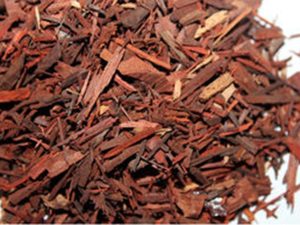
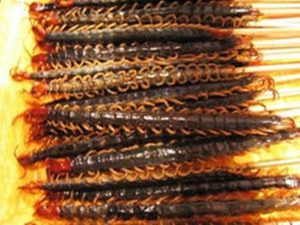
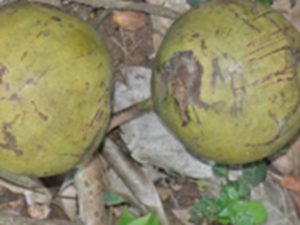
5 qian of Angelica sinensis root, 5 qian of safflower, 5 qian of rhubarb, 5 qian of sappanwood (crushed), 5 qian of peach kernels, 5 qian of apricot kernels, 5 qian of Curcuma zedoaria, 5 qian of Atractylodes lancea, 5 qian of Trichosanthes kirilowii, 5 qian of Citrus aurantium peel,5 qian of Zhi Shi, 5 qian of Cang Zhu, 5 qian of Hou Po, 5 qian of Bin Lang, 5 qian of Qing Pi, 5 qian of Bai Jie Zi, 5 qian of Xiang Fu, 5 qian of Qing Mu Xiang, 5 qian of Wu Yao, 5 qian of Shui Hong Hua Gen, 3 qian of Ye Zhu Gen, 3 qian of Sheng Di, 3 qian of Chuan Jiao,Cinnamon Bark 3 qian, Dried Lacquer 3 qian, Soapberry 3 qian, Corydalis 3 qian, White Angelica 3 qian, Epimedium 3 qian, Southern Pinellia 3 qian, Pinellia 3 qian, Fangfeng 3 qian, Schizonepeta 3 qian, Notopterygium 3 qian, Dehuo 3 qian, Perilla 3 qian, Croton Seed (shelled) 3 qian,Ephedra 3 qian, Gentiana macrophylla 3 qian, Trichosanthes kirilowii seeds (shelled) 3 qian, Sapindus mukorossi seeds (shelled) 3 qian, Red Peony Root 3 qian, Sea Wind Vine 3 qian, Stephania root 3 qian, Sichuan Pangolin Scale 3 qian, Bee Hive 3 qian, White Aconite Root 3 qian, Galangal 3 qian, Bone-mending Herb 3 qian, Sichuan Lovage 3 qian,12 centipedes, 2 snake molts, 30 pieces of mulberry twigs (3 cun long), 30 pieces of locust twigs (3 cun long), 30 pieces of willow twigs (3 cun long), 30 pieces of peach twigs (3 cun long).
Source
From *Wan’s Family Prescriptions*, Volume 2.
Processing
Place these ingredients in sesame oil and simmer in a copper pot until the mixture turns black and charred. Strain out the residue, then simmer again until a drop of the liquid forms a bead when held up to the light. Remove from heat; use any amount of clear, pure rosin. First, boil it in water and strain thoroughly; then boil it in aged wine and strain into water, repeating this process of straining and re-straining several dozen times. For every 3 jin of rosin, add 1 bowl of scallion juice, 1 bowl of ginger juice,1 bowl of garlic juice, 1 bowl of chive juice, and 1 bowl of mugwort juice. Simmer until the liquid evaporates, then repeat the straining process in water several dozen times; then, for every 4 liang of medicinal oil, add 1 jin of rosin and 4 liang of Feidan, and simmer into a paste. Remove from heat and mix in the following fine powdered ingredients:5 qian each of Wulingzhi, realgar, and frankincense; 3 qian of agarwood; 1 liang each of olibanum and myrrh (roasted to remove moisture); 2 liang of beeswax; and 2 liang of camphor. Grind all ingredients into a fine powder. Mix with 1.5 jin of the ointment base and simmer over low heat, stirring constantly with a locust branch. Then add water and stir repeatedly over a hundred times before use.
Benefits
For masses and accumulations, non-ulcerated toxic swellings, scrofula and phlegm nodules, contusions and sprains, as well as pain in the chest and abdomen, diarrhea and dysentery, wind-induced disorders, and wounds from beatings.
Instructions for Use
For abdominal distension, add 5 qian of asafoetida to each 1 jin of ointment, dissolve it in wine, and mix it in. Apply the mixture to the affected area using a piece of dog skin, and frequently rub it with warm hands to allow the medicinal properties to penetrate.
Copyright: Excerpt from From *Wan’s Family Prescriptions*, Volume 2., Copyright belongs to the Original Author and all original sources, This article was shared by DeDe on August 31, 2026, Please credit the source and include a link to the original article when reposting.
Terminology Proofreading: [Cheng Bo] | August 31, 2026 Reviewed by: [Wang Zhongxiang, Associate Chief TCM Physician (China)] | August 31, 2026
Correct Content Errors: Errors may occur during the writing, editing, translation, and publication of website content. If you find any errors or inaccurate information in this article, please feel free to Contact Us to report them, and we will correct them promptly.
FDA Disclaimer: The descriptions of the efficacy of Chinese herbal medicines, herbal teas, decoctions, and formulas, as well as the content on Traditional Chinese Medicine (TCM) diagnostic theory and traditional TCM therapies contained on this site, are intended solely for the purpose of popularizing TCM culture and serving as an educational reference; they do not constitute medical diagnosis or treatment advice. Please do not attempt to use these products on your own without proper guidance. These statements have not been evaluated by the Food and Drug Administration. This product is not intended to diagnose, treat, cure, or prevent any disease. If you are experiencing any physical discomfort, please consult a licensed healthcare professional and seek treatment at a reputable medical institution. This platform assumes no responsibility for any consequences resulting from the use of herbs or formulas by any individual based on the information provided on this site. Please read Medical Disclaimer.
Wanling Ointment,For masses and accumulations, non-ulcerated toxic swellings, scrofula and phlegm nodules, contusions and sprains, as well as pain in the chest and abdomen, diarrhea and dysentery, wind-induced disorders, and wounds from beatings.