
Overall, qualified sulfur-free cultivated Tianma can be used together with diabetes drugs safely under monitoring, but unsupervised long-term combined intake carries hidden risks of blood sugar fluctuations and hypotension. Self-administration is not recommended.
1. Beneficial interaction effects (proven by modern research)
- Mild hypoglycemic auxiliary effect Gastrodin can improve insulin sensitivity slightly, assist peripheral glucose utilization, and help stabilize blood sugar for people with type 2 diabetes. For diabetics with high blood sugar combined with nervous tension, insomnia, dizziness caused by high blood pressure, Tianma can relieve complications without interfering with conventional hypoglycemic treatment.
- Protects blood vessels and nerves Diabetic patients commonly suffer from diabetic peripheral neuropathy (numb limbs, neural pain), hypertension, cerebral vascular tension. Tianma improves microcirculation, alleviates neural numbness and dizziness, which helps reduce diabetic vascular complications.
2. Key risks of combined use
Risk 1: Overlapping hypoglycemia (the greatest danger)
- Oral hypoglycemic drugs (metformin, glipizide, gliclazide, glimepiride) and insulin lower blood glucose;
- Tianma has mild hypoglycemic activity. If you do not monitor blood sugar regularly, the two effects stack, easily triggering hypoglycemia: trembling hands, sweating, palpitations, hunger, blurred vision, dizziness, even hypoglycemic coma in severe cases. Sulfonylurea medicines (glipizide, glimepiride) + insulin carry the highest hypoglycemia risk when paired with Tianma.
Risk 2: Hypotension superposition
Many diabetic patients also take antihypertensive medicine. Tianma dilates blood vessels naturally, which may cause blood pressure to drop too low together with antihypertensives, leading to dizziness, falling risk, poor blood supply to the heart and kidneys.
Risk 3: Gastrointestinal side effects pile up
Some diabetes drugs easily cause bloating, diarrhea (metformin is typical). Tianma’s moist nature also causes loose stools in sensitive people. Combined intake may induce persistent diarrhea, affect nutrient absorption and blood sugar stability.
Risk 4: Wild/sulfur-fumigated Tianma damages metabolic organs
Sulfur residues increase liver burden; wild Tianma heavy metal accumulation harms pancreatic islet cells and kidneys, worsening diabetic kidney lesions over time.
3. Classification of diabetes medicines & risk level
- High hypoglycemia risk: Insulin, glimepiride, glipizide, gliclazide Must strictly limit Tianma dosage and test blood sugar frequently if used together.
- Low risk: Metformin, SGLT-2 inhibitors (dapagliflozin), DPP-4 inhibitors (sitagliptin) These rarely cause hypoglycemia alone, safer to match Tianma under regular monitoring.
- Alpha-glucosidase inhibitors (acarbose): Mainly act on intestinal sugar absorption, mild interaction with Tianma.
4. Standard safe usage rules if you need to take both
- Inform your endocrinologist first Tell your doctor you plan to take Tianma; the doctor may appropriately adjust the dosage of hypoglycemic drugs to avoid hypoglycemia.
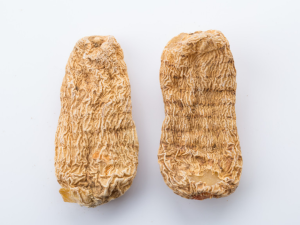
- Control Tianma dosage strictly Only use certified sulfur-free cultivated Tianma, daily dose ≤3 g, adopt intermittent cycle: take 14 days, stop for 3–5 days; never eat wild Tianma.
- Stagger administration time Take diabetes medicine on schedule; consume Tianma in the morning or noon, separate from hypoglycemic drugs by more than 3 hours, avoid overlapping peak efficacy.
- Strengthen blood sugar monitoring Test fasting blood glucose and 2-hour post-meal blood sugar every 2–3 days in the first two weeks of combined use. If frequent hypoglycemia (below 3.9 mmol/L) occurs, stop Tianma immediately.
- Do not stop diabetes medicine on your own Tianma only serves as auxiliary conditioning and cannot replace insulin or hypoglycemic medications.
5. Groups who should avoid mixing Tianma and diabetic drugs
- Diabetics prone to spontaneous hypoglycemia;
- Diabetic nephropathy, liver dysfunction patients;
- Diabetics with persistent low blood pressure;
- Elderly diabetic patients over 65 (high risk of falling from dizziness/hypoglycemia).
6. Stop Tianma immediately if these symptoms appear
Cold sweats, hand tremors, sudden hunger, blurred vision, extreme fatigue (hypoglycemia); persistent diarrhea; repeated dizziness after standing up. Supplement candy or glucose promptly for hypoglycemia relief.
7. Conclusion
- Properly used high-quality cultivated Tianma can assist in improving diabetic insomnia, neural numbness and dizziness, compatible with most diabetes medicines;
- The core danger is superimposed hypoglycemia, especially for users on insulin and sulfonylurea drugs;
- As long as the dosage is low, blood sugar is monitored, and intermittent administration is adopted, combined use is safe; diabetics must never take large amounts of Tianma privately.



Interesting read! I’ve been thinking about trying Tianma for my migraines, but I’m on