
The cordyceps supplement market suffers from widespread mislabeling, substitution, and low‑grade products. Some items contain mostly grain filler with minimal fungal material, while others misname species or make false wild‑sourced claims. Knowing what to check on labels and documentation helps you avoid wasting money on ineffective or adulterated goods.
Disclaimer: This is educational guidance, not medical advice. Always consult your healthcare provider before starting herbal supplements.
Key points to verify for authentic cordyceps
1. Confirm exact species on the label
Avoid products that only print the generic word “cordyceps” with no species name.
- For everyday supplementation: look for Cordyceps militaris. This is the well‑researched cultivated species for modern supplements.
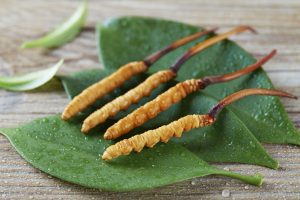
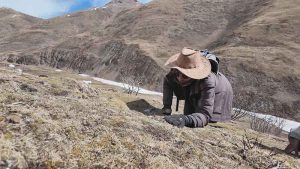
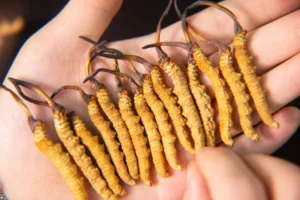
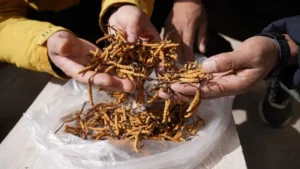
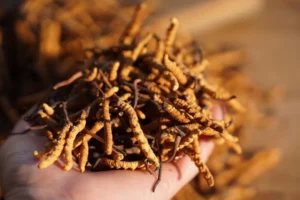
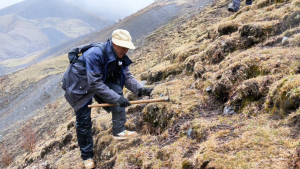
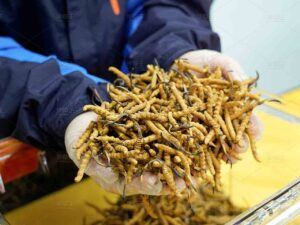
- Ophiocordyceps sinensis (formerly Cordyceps sinensis) is rare, expensive wild caterpillar fungus. Many cheap products falsely market themselves as C. sinensis while containing militaris or filler instead.
Red flag: Brands using “Cordyceps sinensis” marketing language, without disclosing that the actual ingredient is cultivated militaris.
2. Check whether it is fruiting‑body or mycelium‑on‑grain
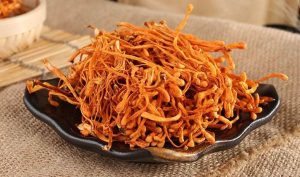
The fruiting body holds the highest concentration of cordycepin and bioactive polysaccharides.
- Fruiting body: Preferred for daily wellness support.
- Mycelium‑on‑grain (myceliated grain): Product mixes fungal mycelium with its grain growing substrate. Much of the capsule content is starch, with low cordycepin levels. Many low‑cost supplements fall into this category.
Red flag: Label lists “mycelial biomass” or “myceliated brown rice” with no mention of fruiting‑body content.
3. Look for standardized active‑compound values
Reputable brands list measurable bioactive markers:
- Cordycepin
- Cordyceps polysaccharides / beta‑glucans
These compounds are typically measured via HPLC laboratory testing. If a supplement makes big health claims but gives zero numerical values for active ingredients, treat it with caution.
4. Require third‑party independent testing (Certificate of Analysis / CoA)
Authentic cordyceps suppliers publish or provide access to batch‑specific CoA reports. These verify:
- Identity of fungal species
- Levels of cordycepin and polysaccharides
- Heavy‑metal, arsenic, microbe, and contaminant screening
Red flag: Brand cannot provide batch‑matching test results, only generic marketing‑document PDFs. Wild‑sourced O. sinensis carries high heavy‑metal risk and always needs heavy‑metal testing reports.
5. Price as a sanity check
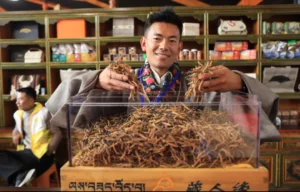
Extremely cheap cordyceps extract is suspicious. Real standardized fruiting‑body Cordyceps militaris has production costs. Wild Ophiocordyceps sinensis is luxury‑priced; any “cheap wild sinensis” is almost certainly counterfeit or substituted material.
6. Marketing claims to watch out for
- “100% wild cordyceps” at budget prices: highly questionable.
- Overblown medical‑treatment claims: dietary supplements cannot claim to cure disease.
- Vague phrases such as “full‑spectrum cordyceps” without further ingredient disclosure.
FAQ
Q: Is mycelium‑on‑grain completely useless?
A: It contains trace fungal compounds, but cordycepin concentration is generally very low. It is not equivalent to fruiting‑body extract for most wellness goals.
Q: Can I trust products labeled “Cordyceps sinensis”?
A: Many supplements use this historic common‑name for marketing, yet contain cultivated Cordyceps militaris. Always read fine print to confirm actual species. True wild Ophiocordyceps sinensis is very costly and carries contamination risks for daily use.
Q: What is the most important single proof of authenticity?
A: A batch‑specific third‑party CoA confirming species identity, cordycepin content, and heavy‑metal safety. Marketing stories and packaging artwork cannot replace lab data.
Q: Are there visual ways to spot fake whole raw cordyceps?
A: Whole wild caterpillar fungus requires expert identification. For capsule/powder supplements visual inspection of the powder cannot reliably confirm authenticity; laboratory testing is required.
Q: What should I do if a brand refuses to share lab test reports?
A: It is safer to choose another supplier. Transparent reputable herbal brands make batch‑testing information available for customers.
Q: Does high polysaccharide percentage always mean high‑quality cordyceps?
A: Not always. Grain‑based filler can add non‑mushroom polysaccharides. Confirm it specifies mushroom‑derived beta‑glucans alongside cordycepin levels.
這篇文章太實用了!市面上蟲草產品真假難辨,很多人花大錢卻買到填充物或劣質貨。看完才知要仔細看標籤和來源證明,不能只信「野生」二字。感謝作者提醒,以後買之前一定要核對清楚,才不會白白浪費錢又傷身。希望更多人看到這篇!
This is such an important topic! I wasted so much money on cordyceps capsules a few years ago before I learned to read the fine print