
Ten-Jujube Decoction,From *Treatise on Cold Damage*.,Retained fluid in the body. Coughing and spitting accompanied by pain radiating to the chest and flanks, fullness and hardness beneath the heart, dry retching and shortness of breath, headache and dizziness, or cramping pain in the chest and back making it difficult to breathe; pulse is deep and taut. Currently used for pleural effusion caused by tuberculous pleurisy or chronic nephritis, ascites, or generalized edema in patients with a robust constitution. Taiyang wind-stroke, with diarrhea and vomiting.The patient exhibits ?? sweating; episodes occur at specific times; headache; fullness and hardness beneath the heart radiating to the flanks; dry heaving and shortness of breath; sweating without aversion to cold; and disharmony between the exterior and interior. Suspended fluid syndrome: in cases of cough, a string-like pulse indicates the presence of fluid; in cases of retained fluid, there is coughing, restlessness, and chest pain. Edema and abdominal distension, as well as distension caused by accumulated food and alcohol, hard masses and nodules, retained heat, sudden pain, and prolonged malaria;severe wind-heat and dryness congested in the lower jiao, with obstruction of urination and defecation; real-heat-induced low back pain; heat accumulation in children; heat accumulation in breast nodules; febrile convulsions and spasms; and rashes caused by heat toxins that cannot be completely resolved. Chronic malnutrition with generalized edema. Vaginal discharge that is damp and accompanied by heat; stools that are either loose or constipated; obstructed urination; a涩 pulse with excessive qi.
Ten-Jujube Decoction
Formulas Name : Ten-Jujube Decoction
Chinese Name : 十枣汤
Drug Formulation
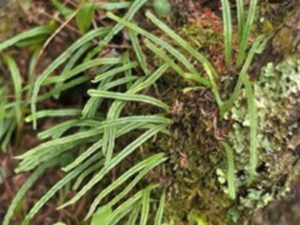
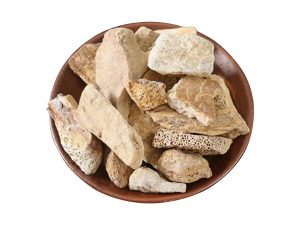
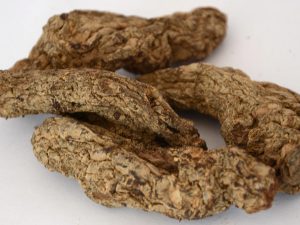
Yuanhua (roasted), Gansui, and Daji in equal parts.
Source
From *Treatise on Cold Damage*.
Processing
Grind each of the above ingredients into a powder.
Benefits
Retained fluid in the body. Coughing and spitting accompanied by pain radiating to the chest and flanks, fullness and hardness beneath the heart, dry retching and shortness of breath, headache and dizziness, or cramping pain in the chest and back making it difficult to breathe; pulse is deep and taut. Currently used for pleural effusion caused by tuberculous pleurisy or chronic nephritis, ascites, or generalized edema in patients with a robust constitution. Taiyang wind-stroke, with diarrhea and vomiting.The patient exhibits ?? sweating; episodes occur at specific times; headache; fullness and hardness beneath the heart radiating to the flanks; dry heaving and shortness of breath; sweating without aversion to cold; and disharmony between the exterior and interior. Suspended fluid syndrome: in cases of cough, a string-like pulse indicates the presence of fluid; in cases of retained fluid, there is coughing, restlessness, and chest pain. Edema and abdominal distension, as well as distension caused by accumulated food and alcohol, hard masses and nodules, retained heat, sudden pain, and prolonged malaria;severe wind-heat and dryness congested in the lower jiao, with obstruction of urination and defecation; real-heat-induced low back pain; heat accumulation in children; heat accumulation in breast nodules; febrile convulsions and spasms; and rashes caused by heat toxins that cannot be completely resolved. Chronic malnutrition with generalized edema. Vaginal discharge that is damp and accompanied by heat; stools that are either loose or constipated; obstructed urination; a涩 pulse with excessive qi.
Instructions for Use
Boil 10 plump jujubes in 1.5 sheng of water until reduced to 8 he; strain out the residue, add the powdered medicine, and have robust individuals take 1 qian bi, while frail individuals take half a qian bi; take while warm. If the bowel movement is scant and the condition persists, take another dose the next day, increasing the dose by half a qian bi. After achieving a thorough bowel movement, nourish oneself with thin porridge.

Ten-Jujube Decoction,Retained fluid in the body. Coughing and spitting accompanied by pain radiating to the chest and flanks, fullness and hardness beneath the heart, dry retching and shortness of breath, headache and dizziness, or cramping pain in the chest and back making it difficult to breathe; pulse is deep and taut. Currently used for pleural effusion caused by tuberculous pleurisy or chronic nephritis, ascites, or generalized edema in patients with a robust constitution. Taiyang wind-stroke, with diarrhea and vomiting.The patient exhibits ?? sweating; episodes occur at specific times; headache; fullness and hardness beneath the heart radiating to the flanks; dry heaving and shortness of breath; sweating without aversion to cold; and disharmony between the exterior and interior. Suspended fluid syndrome: in cases of cough, a string-like pulse indicates the presence of fluid; in cases of retained fluid, there is coughing, restlessness, and chest pain. Edema and abdominal distension, as well as distension caused by accumulated food and alcohol, hard masses and nodules, retained heat, sudden pain, and prolonged malaria;severe wind-heat and dryness congested in the lower jiao, with obstruction of urination and defecation; real-heat-induced low back pain; heat accumulation in children; heat accumulation in breast nodules; febrile convulsions and spasms; and rashes caused by heat toxins that cannot be completely resolved. Chronic malnutrition with generalized edema. Vaginal discharge that is damp and accompanied by heat; stools that are either loose or constipated; obstructed urination; a涩 pulse with excessive qi.